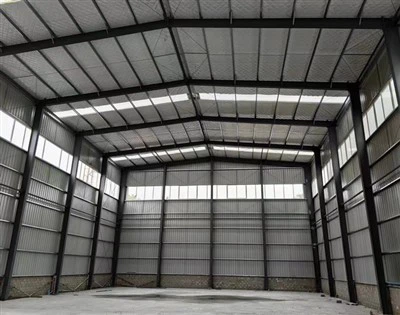
Hey there! As a supplier of prefabricated steel warehouses, I've had my fair share of dealing with electrical wiring requirements. It's a crucial part of setting up a functional and safe warehouse, and I'm here to break it down for you.
First off, let's talk about the basics. When it comes to electrical wiring in a prefabricated steel warehouse, safety is the name of the game. You've got to make sure that all the wiring is up to code and can handle the electrical load of the warehouse. This means using the right gauge of wire, proper insulation, and ensuring that all connections are secure.
One of the key requirements is to have a reliable electrical panel. The electrical panel is like the control center of your warehouse's electrical system. It distributes power to different parts of the building and should be installed by a professional electrician. You need to choose a panel that can handle the total electrical load of your warehouse. This includes all the lighting, machinery, and any other electrical equipment you plan to use.
Another important aspect is grounding. Grounding is essential for safety. It helps protect against electrical shocks and reduces the risk of fire. All electrical systems in the warehouse should be properly grounded. This usually involves connecting the electrical equipment to a grounding rod that's buried in the ground outside the building.
When it comes to wiring, you've got to consider the layout of the warehouse. You need to plan where the electrical outlets, switches, and fixtures will be located. This should be done in a way that's convenient for the users and also takes into account the future expansion of the warehouse. For example, if you plan to add more machinery or equipment later, you'll need to have enough electrical capacity and outlets in the right places.
Now, let's talk about the types of wiring you can use. There are different types of electrical cables available, such as non-metallic sheathed cable (NM), armored cable (AC), and conduit. NM cable is commonly used for residential and light commercial applications, but in a prefabricated steel warehouse, you might want to consider using armored cable or conduit. Armored cable has a metal sheath that provides extra protection against physical damage, while conduit is a protective tube that can house multiple cables.
Lighting is another important part of the electrical system in a warehouse. You need to have adequate lighting to ensure a safe working environment. There are different types of lighting fixtures available, such as fluorescent lights, LED lights, and high-intensity discharge (HID) lights. LED lights are becoming increasingly popular in warehouses because they are energy-efficient and have a long lifespan. You should also consider the placement of the lights to avoid shadows and ensure even illumination throughout the warehouse.
If you're planning to use machinery in your warehouse, you need to make sure that the electrical system can handle the power requirements of the equipment. Some machinery may require a three-phase electrical supply, which is different from the standard single-phase supply used in most homes. You'll need to consult with an electrician to determine the appropriate electrical supply for your machinery.
Now, let's touch on some specific types of prefabricated steel warehouses and their electrical requirements. For example, if you're building a Chicken Farm Shed, you'll need to consider the lighting, ventilation, and heating systems. The lighting should be designed to provide the right amount of light for the chickens' well-being, and the ventilation and heating systems need to be powered by electricity.
If you're looking at a Cold Storage And Warehouse, the electrical system needs to support the refrigeration units. These units require a lot of power, and you need to make sure that the electrical panel and wiring can handle the load. You also need to consider the insulation of the building to reduce the energy consumption of the refrigeration system.
For a Warehouse With Crane, the crane itself requires a significant amount of electrical power. The electrical system needs to be designed to handle the starting and stopping of the crane, as well as any other electrical equipment associated with it, such as control panels and sensors.
In addition to all these technical requirements, it's also important to have a maintenance plan for your electrical system. Regular inspections and maintenance can help prevent electrical problems and ensure the safety of your warehouse. You should have a qualified electrician perform periodic inspections to check for any signs of wear and tear, loose connections, or other issues.
So, if you're in the market for a prefabricated steel warehouse and need help with the electrical wiring, don't hesitate to reach out. We've got the expertise and experience to ensure that your warehouse's electrical system is safe, reliable, and meets all the necessary requirements. Whether you're building a chicken farm shed, a cold storage warehouse, or a warehouse with a crane, we can provide you with the right solutions.


In conclusion, electrical wiring in a prefabricated steel warehouse is a complex but important aspect of the building process. By following the proper requirements and working with a professional electrician, you can ensure that your warehouse has a safe and efficient electrical system. If you have any questions or need more information, feel free to get in touch, and we'll be happy to assist you.
References
- Electrical Code Handbook
- National Fire Protection Association (NFPA) Standards