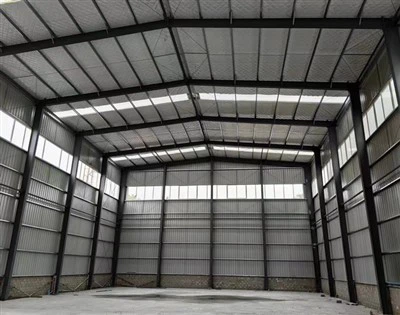
In the dynamic landscape of modern architecture, the question of whether a steel frame office building can be retrofitted with new technologies is both timely and crucial. As a supplier of steel frame office buildings, I've witnessed firsthand the transformative potential of integrating cutting - edge technologies into existing structures. This blog post aims to explore the feasibility, benefits, and challenges of retrofitting steel frame office buildings with new technologies.

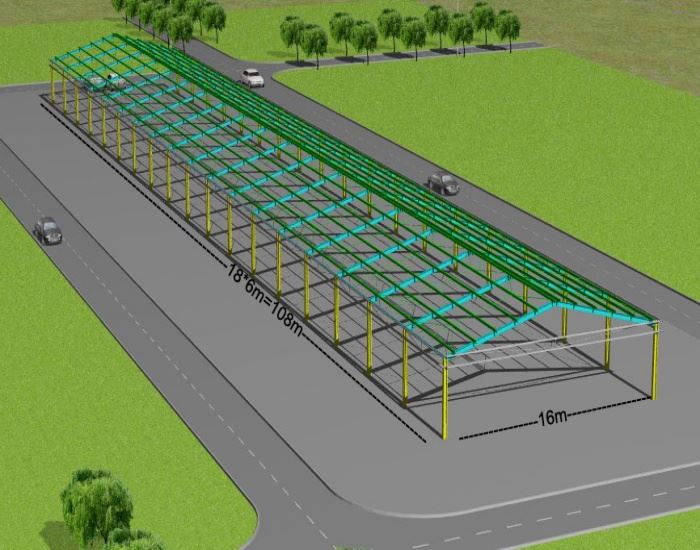
Feasibility of Retrofitting Steel Frame Office Buildings
Steel frame structures offer several inherent advantages when it comes to retrofitting. Their modular nature and high strength - to - weight ratio make them adaptable to various technological upgrades. For instance, the open floor plans commonly found in steel frame office buildings provide ample space for the installation of new systems without major structural modifications.
One of the most significant areas where new technologies can be incorporated is in the building's energy management system. With the increasing focus on sustainability and energy efficiency, retrofitting steel frame office buildings with smart meters, energy - efficient lighting, and advanced HVAC (Heating, Ventilation, and Air Conditioning) systems is not only feasible but also highly beneficial. Smart meters can monitor energy consumption in real - time, allowing building managers to identify areas of high usage and implement targeted energy - saving measures. Energy - efficient lighting, such as LED bulbs, can significantly reduce electricity consumption while providing better illumination. Advanced HVAC systems can optimize temperature and humidity control, ensuring a comfortable working environment while minimizing energy waste.
Another area where new technologies can be integrated is in the building's security system. Steel frame office buildings can be retrofitted with state - of - the - art access control systems, surveillance cameras, and intrusion detection sensors. These technologies enhance the safety and security of the building, protecting employees, assets, and sensitive information. For example, biometric access control systems can restrict entry to authorized personnel only, reducing the risk of unauthorized access. High - definition surveillance cameras can monitor the building's premises 24/7, providing real - time footage that can be used for security purposes.
Benefits of Retrofitting
The benefits of retrofitting steel frame office buildings with new technologies are numerous. Firstly, it can lead to significant cost savings in the long run. Energy - efficient upgrades can reduce energy bills, while improved security systems can lower the risk of theft and damage, potentially saving on insurance premiums. For example, a study by the U.S. Department of Energy found that energy - efficient retrofits in commercial buildings can result in energy savings of up to 30%.
Secondly, retrofitting can enhance the comfort and productivity of employees. A well - ventilated and temperature - controlled environment can improve employee well - being, leading to higher levels of productivity. Additionally, advanced technologies such as smart lighting can adjust to natural light levels, reducing eye strain and improving overall comfort.
Thirdly, retrofitting can increase the market value of the building. In today's competitive real estate market, buildings with modern technologies and sustainable features are more attractive to tenants and investors. A steel frame office building that has been retrofitted with new technologies is likely to command a higher rental rate and resale value.
Challenges of Retrofitting
While the benefits of retrofitting are clear, there are also several challenges that need to be addressed. One of the main challenges is the cost of retrofitting. Implementing new technologies can be expensive, especially for older buildings that may require significant upgrades. However, it's important to note that the long - term cost savings and increased market value can often offset the initial investment.
Another challenge is the disruption to building operations during the retrofitting process. Installing new systems can cause noise, dust, and inconvenience to employees. To minimize the impact, careful planning and scheduling are required. For example, retrofitting work can be carried out during off - peak hours or in phases to ensure that business operations are not severely affected.
Compatibility issues can also arise when integrating new technologies with existing systems. For instance, new energy management systems may need to be compatible with the building's electrical infrastructure. This requires careful coordination between the technology providers and the building management team to ensure a seamless integration.
Case Studies
To illustrate the feasibility and benefits of retrofitting steel frame office buildings, let's look at a few case studies.
Case Study 1: A large steel frame office building in downtown [City Name] was retrofitted with a smart energy management system. The system included smart meters, energy - efficient lighting, and an advanced HVAC system. As a result, the building's energy consumption was reduced by 25%, leading to significant cost savings. The improved indoor environment also led to a 15% increase in employee productivity.
Case Study 2: A medium - sized steel frame office building in [Another City] was retrofitted with a state - of - the - art security system. The system included biometric access control, surveillance cameras, and intrusion detection sensors. Since the retrofit, the building has experienced a significant reduction in security incidents, and the building's market value has increased by 10%.
Related Agricultural Steel Buildings
If you're interested in other steel - related structures, we also offer a range of agricultural steel buildings. You can explore our Poultry Farm Shed, Steel Poultry House, and Steel Poultry Shed options. These buildings are designed to meet the specific needs of the agricultural industry, providing durable and cost - effective solutions.
Conclusion and Call to Action
In conclusion, a steel frame office building can indeed be retrofitted with new technologies. The feasibility, benefits, and challenges have been discussed in detail, and case studies have shown that successful retrofits can lead to significant cost savings, increased productivity, and enhanced market value.
If you're considering retrofitting your steel frame office building or are interested in our agricultural steel buildings, we encourage you to reach out to us. Our team of experts can provide you with detailed information, customized solutions, and a cost - effective plan to meet your specific needs. Contact us today to start the conversation about how we can help you transform your building with the latest technologies.
References
- U.S. Department of Energy. (Year). Energy - efficient Commercial Building Retrofits: A Guide for Building Owners and Managers.
- [Author]. (Year). The Impact of Technology Upgrades on Office Building Performance. Journal of Building Science.