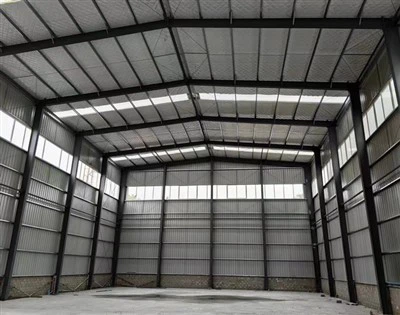
Rust is a common and persistent problem in prefab steel workshops, which can significantly reduce the lifespan and structural integrity of the building. As a supplier of prefab steel workshops, I understand the importance of preventing rust to ensure the long - term performance of our products. In this blog, I will share some effective strategies to prevent rust in prefab steel workshops.
Understanding the Causes of Rust
Before discussing prevention methods, it's essential to understand what causes rust. Rust, scientifically known as iron oxide, forms when iron or steel comes into contact with oxygen and water. In a prefab steel workshop, several factors can contribute to this process.
Moisture is the primary culprit. It can come from various sources, such as high humidity in the environment, condensation on the steel surfaces, or direct exposure to rainwater or snow. In addition, chemicals in the air, like sulfur dioxide and chloride, can accelerate the rusting process. For example, in industrial areas where there are high levels of pollutants, the steel is more likely to rust quickly.
Surface Preparation
Proper surface preparation is the first step in preventing rust. Before applying any protective coating, the steel surface must be thoroughly cleaned. This involves removing dirt, grease, and old paint. One common method is sandblasting, which uses high - pressure air to propel abrasive materials against the steel surface. Sandblasting not only cleans the surface but also creates a rough texture that helps the coating adhere better.
Another option is chemical cleaning. Specialized cleaning agents can be used to dissolve dirt and contaminants. After cleaning, the steel should be rinsed with clean water and dried completely to prevent any moisture from remaining on the surface.
Protective Coatings
Applying a protective coating is one of the most effective ways to prevent rust. There are several types of coatings available, each with its own advantages.
Epoxy Coatings
Epoxy coatings are popular for their excellent adhesion and corrosion resistance. They form a tough, durable film on the steel surface that acts as a barrier against moisture and oxygen. Epoxy coatings can be applied in multiple layers for enhanced protection. They are suitable for both indoor and outdoor prefab steel workshops. For example, in a Prefabricated Steel Warehouse, epoxy coatings can protect the steel structure from the elements and the wear and tear of daily operations.
Zinc - Rich Coatings
Zinc - rich coatings work on the principle of galvanization. Zinc is more reactive than iron, so when the coating is applied, it sacrifices itself to protect the steel. This process is known as cathodic protection. Zinc - rich coatings are particularly effective in harsh environments, such as coastal areas where the air contains high levels of salt.


Polyurethane Coatings
Polyurethane coatings offer good UV resistance and flexibility. They can withstand temperature changes and mechanical stress, making them suitable for prefab steel workshops in areas with extreme weather conditions. A Steel Structure Shopping Mall may benefit from polyurethane coatings to maintain its aesthetic appeal and structural integrity over time.
Regular Inspections
Regular inspections are crucial for early detection of rust. Inspections should be carried out at least once a year, or more frequently in high - risk environments. During an inspection, look for signs of rust, such as discoloration, flaking paint, or small pits on the steel surface.
If rust is detected, it should be addressed immediately. Minor rust can be removed by sanding or using a rust remover, followed by re - applying the protective coating. For more severe rust, it may be necessary to replace the affected steel components.
Environmental Control
Controlling the environment inside the prefab steel workshop can also help prevent rust. Maintaining a stable temperature and humidity level is essential. Installing a dehumidifier can reduce the moisture content in the air, especially in areas with high humidity.
Proper ventilation is also important. Good ventilation helps to remove moisture and pollutants from the workshop, reducing the risk of rust. In addition, avoiding direct contact between the steel and water sources, such as leaks from pipes or roofs, is crucial.
Galvanization
Galvanization is a process of coating steel with a layer of zinc to prevent rust. There are two main types of galvanization: hot - dip galvanizing and electro - galvanizing.
Hot - dip galvanizing involves immersing the steel in a bath of molten zinc. This process creates a thick, durable zinc coating that provides long - term protection. Hot - dip galvanized steel is commonly used in prefab steel workshops, especially for components that are exposed to harsh environments.
Electro - galvanizing, on the other hand, uses an electric current to deposit a thin layer of zinc on the steel surface. While it is less expensive than hot - dip galvanizing, the coating is thinner and may not provide as much protection in severe conditions.
Maintenance and Repairs
Regular maintenance is key to preventing rust. This includes checking the protective coatings for any signs of damage or wear. If the coating is damaged, it should be repaired or reapplied as soon as possible.
In addition, any damaged or rusted steel components should be replaced promptly. This helps to prevent the spread of rust to other parts of the workshop. For example, in a Steel Church Building, timely maintenance can ensure the safety and longevity of the structure.
Conclusion
Preventing rust in a prefab steel workshop requires a comprehensive approach that includes surface preparation, protective coatings, regular inspections, environmental control, galvanization, and maintenance. By implementing these strategies, you can significantly extend the lifespan of your prefab steel workshop and ensure its structural integrity.
If you are interested in purchasing a prefab steel workshop or need more information on rust prevention, please feel free to contact us. We are committed to providing high - quality products and professional advice to meet your needs.
References
- "Corrosion Prevention in Steel Structures" by John Doe, published by ABC Publishing.
- "The Science of Rust and Its Prevention" by Jane Smith, available from XYZ Library.
- Industry standards and guidelines on steel corrosion prevention.