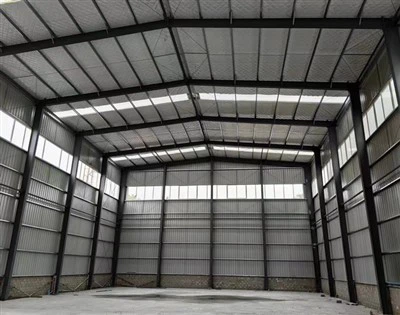
When it comes to setting up a steel workshop shed, one crucial aspect that often gets overlooked is the plumbing system. A well - designed plumbing system is essential for the smooth operation of the shed, whether it's used for manufacturing, storage, or other industrial purposes. As a supplier of Steel Workshop Sheds, I understand the importance of offering comprehensive solutions, including the right plumbing options. In this blog, I'll explore the various plumbing options available for a steel workshop shed.
Water Supply
The first step in any plumbing system is the water supply. There are two main options for providing water to a steel workshop shed: municipal water supply and well water.
Municipal Water Supply
Connecting to the municipal water supply is the most common and convenient option for many steel workshop sheds, especially those located in urban or suburban areas. This option provides a reliable and consistent water source. The process typically involves obtaining the necessary permits from the local water authority and hiring a professional plumber to connect the shed to the main water line.
One of the advantages of using municipal water is that it is usually treated and meets the required health and safety standards. However, there are some potential drawbacks. There may be connection fees and ongoing water bills, which can add to the operating costs of the shed. Additionally, in case of water shortages or maintenance work by the water authority, the supply may be interrupted.
Well Water
For steel workshop sheds located in rural areas, well water can be a viable option. Drilling a well requires an initial investment, but it can provide a long - term, cost - effective water source. Well water is often free from the monthly water bills associated with municipal water, although there are costs for well maintenance and water treatment.
Well water may require treatment to remove impurities such as sediment, bacteria, and minerals. This can involve installing a water filtration system, a water softener, or other treatment equipment. It's important to have the well water tested regularly to ensure its quality.
Drainage Systems
Proper drainage is essential in a steel workshop shed to prevent water accumulation, which can lead to damage to the structure, equipment, and stored materials. There are several types of drainage systems to consider:
Surface Drainage
Surface drainage is designed to collect and redirect water that falls on the surface of the shed and its surrounding area. This can be achieved through the use of gutters, downspouts, and French drains. Gutters are installed along the edges of the shed's roof to collect rainwater and direct it into downspouts. Downspouts then carry the water away from the shed to a safe location, such as a storm drain or a dry well.
French drains are trenches filled with gravel or rock that are used to collect and drain groundwater. They are typically installed around the perimeter of the shed to prevent water from seeping into the foundation.
Floor Drainage
Floor drainage is necessary for areas inside the shed where water may accumulate, such as in washrooms, areas with equipment that generates water, or areas where spills are likely to occur. Floor drains are installed in the floor of the shed and are connected to a drainage pipe that leads to a sewer or a septic system.
There are different types of floor drains, including linear drains, point drains, and trench drains. Linear drains are long, narrow drains that are suitable for large areas where water needs to be drained quickly. Point drains are small, circular drains that are typically used in areas with concentrated water flow, such as under sinks or in shower areas. Trench drains are similar to linear drains but are wider and deeper, and are often used in industrial settings where there is a large volume of water to be drained.
Sanitary Plumbing
Sanitary plumbing is required if the steel workshop shed has washrooms or other areas where human waste needs to be disposed of. There are two main options for sanitary plumbing: connection to a municipal sewer system and installation of a septic system.
Municipal Sewer Connection
Connecting to the municipal sewer system is the most straightforward option for sanitary plumbing in a steel workshop shed. Similar to the water supply connection, it requires obtaining the necessary permits and hiring a professional plumber to connect the shed's plumbing fixtures to the main sewer line.
The advantage of using the municipal sewer system is that it is a reliable and efficient way to dispose of human waste. However, there may be connection fees and ongoing sewer charges. Additionally, in case of sewer blockages or maintenance work by the sewer authority, there may be disruptions to the sewer service.
Septic System
For steel workshop sheds located in areas where there is no access to a municipal sewer system, a septic system is a viable alternative. A septic system consists of a septic tank and a drain field. The septic tank is a large, underground container that collects and treats human waste. The treated effluent then flows into the drain field, where it is further filtered and absorbed into the soil.


The installation of a septic system requires careful planning and design to ensure its proper functioning. It is important to choose the right size of the septic tank based on the expected usage of the shed's washrooms. Regular maintenance, such as pumping the septic tank every few years, is also necessary to prevent blockages and ensure the long - term performance of the system.
Fire Sprinkler Systems
Fire safety is a critical concern in any industrial setting, including steel workshop sheds. Fire sprinkler systems can help to prevent the spread of fire and protect the shed, its contents, and the people inside. There are different types of fire sprinkler systems available:
Wet Pipe Sprinkler Systems
Wet pipe sprinkler systems are the most common type of fire sprinkler system. They are filled with water at all times, and when a fire is detected, the heat causes the sprinkler heads to open, releasing water to extinguish the fire. Wet pipe sprinkler systems are relatively simple and reliable, but they are not suitable for areas where the temperature may drop below freezing, as the water in the pipes can freeze and cause damage.
Dry Pipe Sprinkler Systems
Dry pipe sprinkler systems are used in areas where the temperature may drop below freezing. Instead of being filled with water, the pipes are filled with air or nitrogen. When a fire is detected, the air or nitrogen is released, and water is then allowed to flow into the pipes and out of the sprinkler heads. Dry pipe sprinkler systems are more complex and expensive than wet pipe sprinkler systems, but they are necessary for cold environments.
Pre - action Sprinkler Systems
Pre - action sprinkler systems are a combination of wet and dry pipe sprinkler systems. They are typically used in areas where there is a high risk of false alarms, such as in computer rooms or areas with valuable equipment. In a pre - action sprinkler system, the pipes are initially filled with air or nitrogen. When a fire is detected, a pre - action valve is opened, allowing water to fill the pipes. However, the sprinkler heads do not open until the heat from the fire activates them.
Conclusion
Choosing the right plumbing options for a steel workshop shed is a crucial decision that can have a significant impact on the shed's functionality, safety, and long - term performance. As a supplier of Steel Godown and Industrial Warehouse Building, we understand the importance of providing comprehensive solutions that meet the specific needs of our customers. Whether you are setting up a small workshop or a large - scale industrial facility, we can help you design and install the right plumbing system for your steel workshop shed.
If you are interested in purchasing a steel workshop shed or need more information about the plumbing options available, please don't hesitate to contact us. We are here to assist you in making the right decisions for your project. Whether it's a Shopping Mall Construction or an industrial steel building, we have the expertise and experience to provide you with the best solutions.
References
- "Plumbing Engineering for Buildings" by C. E. Ramalingam
- "Fire Protection Handbook" by the National Fire Protection Association
- Local plumbing and building codes