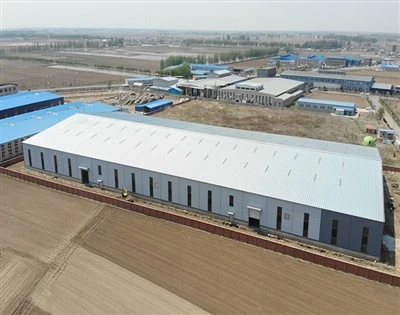
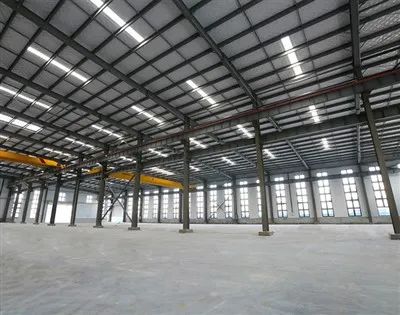
Ensuring the structural integrity of a commercial building is a multifaceted challenge that requires meticulous planning, high - quality materials, and skilled workmanship. As a commercial buildings supplier, I have witnessed firsthand the importance of these elements in creating long - lasting and reliable commercial structures. In this blog, I will share some insights on how to ensure the structural integrity of a commercial building.
1. Comprehensive Planning and Design
The foundation of a structurally sound commercial building lies in its planning and design phase. Architects and engineers need to collaborate closely to develop a design that meets the specific requirements of the project while adhering to all relevant building codes and regulations.
Site Analysis
A thorough site analysis is essential. This includes evaluating the soil conditions, topography, and environmental factors of the building site. For example, if the soil has poor bearing capacity, special foundation designs such as deep piles or raft foundations may be necessary. By understanding the site characteristics, the design can be optimized to withstand the loads imposed on the building over its lifespan.
Load Calculation
Accurate load calculation is crucial. Commercial buildings need to support a variety of loads, including dead loads (the weight of the structure itself), live loads (occupants, furniture, etc.), wind loads, and seismic loads. Engineers must use advanced software and industry - standard formulas to calculate these loads precisely and design the structure to handle them safely.
In addition, the design should also consider future expansions or changes in usage. A flexible design can accommodate these potential modifications without compromising the structural integrity. For instance, a Steel Structure Shopping Mall may need to add new stores or expand the food court area in the future. A well - designed steel structure can be more easily adapted to such changes compared to other building materials.
2. High - Quality Materials Selection
The choice of materials has a direct impact on the structural integrity of a commercial building. As a supplier, I understand the importance of providing high - quality materials that meet or exceed industry standards.
Structural Steel
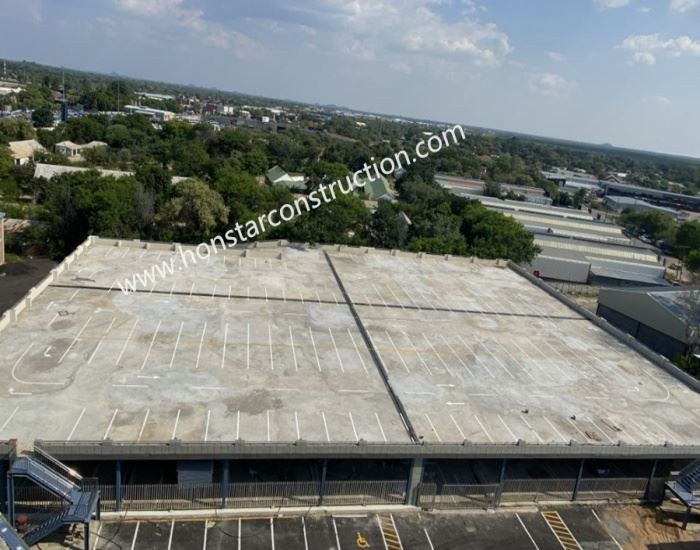
Structural steel is a popular choice for commercial buildings due to its high strength - to - weight ratio, durability, and flexibility. It can withstand heavy loads and is resistant to corrosion when properly treated. For Steel Parking Buildings, steel's ability to support large spans without excessive columns allows for more efficient use of space.
Concrete
Concrete is another fundamental material in commercial construction. Reinforced concrete provides excellent compression strength and can be used for foundations, columns, and slabs. High - performance concrete with additives can enhance its durability, resistance to chemicals, and freeze - thaw cycles.
Masonry
Masonry materials such as bricks and blocks are often used for exterior walls. They offer good insulation and fire resistance. However, proper installation techniques and the use of high - quality mortar are essential to ensure the structural performance of masonry walls.
We ensure that all the materials we supply go through strict quality control checks. This includes testing for strength, durability, and compliance with relevant standards. By providing reliable materials, we contribute to the overall structural integrity of the commercial buildings we are involved in.
3. Skilled Workmanship
Even the best design and materials will not guarantee a structurally sound building without skilled workmanship. Construction workers, contractors, and subcontractors must have the necessary training and experience to carry out the construction tasks correctly.
Installation of Structural Elements
The installation of structural elements such as steel beams, columns, and concrete forms must be done with precision. For example, incorrect alignment of steel members can lead to uneven stress distribution, which may compromise the structural integrity over time. Workers need to follow detailed installation instructions and use appropriate tools and equipment.
Quality Control During Construction
Regular quality control inspections are essential during the construction process. This includes checking the installation of materials, the quality of workmanship, and compliance with the design specifications. Any issues or deviations should be identified and corrected promptly to prevent further problems down the line.
We work closely with construction teams to provide technical support and ensure that the materials are installed correctly. Our experienced staff can offer on - site training and advice to help achieve the highest standards of construction quality. For example, in a Shopping Mall Construction project, we ensure that all our supplied materials are handled and installed in a way that maximizes the structural performance of the building.
4. Regular Maintenance and Inspections
Once the commercial building is completed, regular maintenance and inspections are necessary to preserve its structural integrity over its service life.
Structural Inspections
Periodic structural inspections should be carried out by qualified engineers. These inspections can detect early signs of damage, such as cracks in concrete, corrosion of steel, or settlement of the foundation. By identifying these issues early, appropriate repair and maintenance measures can be taken to prevent further deterioration.
Maintenance of Building Envelope
The building envelope, including the roof, walls, and windows, plays a crucial role in protecting the structural elements from the environment. Regular maintenance of the building envelope, such as roof repairs, caulking of windows, and waterproofing of walls, can prevent water infiltration, which can cause damage to the structure over time.
For a Prefabricated Hotel Building, regular maintenance is especially important to ensure the comfort and safety of guests. A well - maintained building not only has better structural integrity but also enhances the overall value of the property.
5. Adaptation to Changing Conditions
Commercial buildings may need to adapt to changing conditions over their lifespan. This could include changes in occupancy, technological advancements, or changes in environmental regulations.
Retrofit and Renovation
When a building needs to be retrofitted or renovated, the structural implications must be carefully considered. For example, adding new mechanical systems or changing the layout of a Steel Structure Office Building may require additional structural support. Engineers need to assess the existing structure and design appropriate retrofit measures to ensure its continued integrity.

Sustainability Considerations
With the increasing focus on sustainability, commercial buildings may need to incorporate new features such as energy - efficient systems, green roofs, or rainwater harvesting. These features should be integrated into the building design in a way that does not compromise the structural integrity.
In conclusion, ensuring the structural integrity of a commercial building is a complex but achievable goal. By focusing on comprehensive planning and design, high - quality materials selection, skilled workmanship, regular maintenance and inspections, and adaptation to changing conditions, we can create commercial buildings that are safe, reliable, and long - lasting.
As a commercial buildings supplier, we are committed to providing the best products and services to help our clients achieve these goals. If you are planning a commercial building project and are interested in learning more about our materials and how they can contribute to the structural integrity of your building, we invite you to contact us for a procurement discussion. We look forward to working with you to create successful commercial building projects.
References
- Building Code Requirements for Structural Concrete (ACI 318)
- Specification for Structural Steel Buildings (AISC 360)
- International Building Code (IBC)