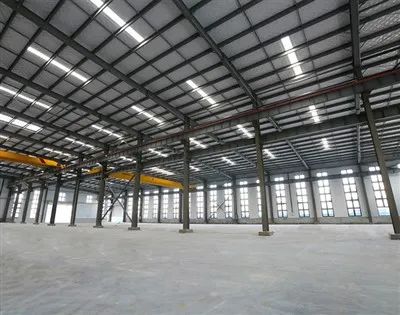
As a supplier of steel warehouses, I've witnessed firsthand the unique challenges that come with managing temperature in these structures. Steel warehouses are known for their durability, cost - effectiveness, and flexibility, which make them a popular choice for various industries. However, they also tend to absorb and retain heat, leading to uncomfortable working conditions, increased energy consumption, and potential damage to stored goods. In this blog, I'll share some effective strategies to reduce heat gain in a steel warehouse.
1. Insulation
One of the most fundamental ways to reduce heat gain in a steel warehouse is through proper insulation. Insulation acts as a barrier between the interior and exterior of the building, minimizing the transfer of heat. There are several types of insulation materials suitable for steel warehouses:
Fiberglass Insulation
Fiberglass is a widely used insulation material due to its affordability and ease of installation. It consists of fine glass fibers that trap air, which helps to slow down the heat transfer process. Fiberglass insulation can be installed in the walls and roof of the warehouse. For instance, batt insulation can be placed between the steel framing members, providing a continuous layer of thermal resistance.
Spray - Foam Insulation
Spray - foam insulation is another excellent option. It expands upon application, filling all the nooks and crannies in the warehouse structure. This creates an airtight seal, preventing heat from entering the building. Closed - cell spray foam has a high R - value (a measure of thermal resistance), which means it can provide superior insulation compared to fiberglass. However, it is generally more expensive.
Reflective Insulation
Reflective insulation works by reflecting radiant heat away from the building. It typically consists of a layer of aluminum foil or other reflective material. This type of insulation is particularly effective in hot climates where a significant amount of heat is transferred through radiation. Reflective insulation can be installed on the underside of the roof or on the interior walls.
2. Roof Design and Coatings
The roof is one of the main areas where a steel warehouse gains heat. Therefore, choosing the right roof design and applying appropriate coatings can significantly reduce heat absorption.
Cool Roofs
A cool roof is designed to reflect more sunlight and absorb less heat compared to a standard roof. Cool roofs can be made from materials with high solar reflectance and thermal emittance. For example, white or light - colored metal roofs have a high solar reflectance, which means they reflect a large portion of the sun's rays. Additionally, some cool roofs are coated with special paints or membranes that enhance their reflective properties.
Roof Ventilation
Proper roof ventilation is crucial for reducing heat gain in a steel warehouse. Ventilation allows hot air to escape from the attic or roof space, preventing it from accumulating and radiating heat into the interior of the building. Ridge vents, gable vents, and turbine vents are common types of roof ventilation systems. Ridge vents, for example, are installed along the peak of the roof and allow hot air to rise and exit the building naturally.
3. Window and Door Selection
Windows and doors are potential areas for heat gain in a steel warehouse. Choosing energy - efficient options can help to minimize this problem.


Low - E Windows
Low - emissivity (Low - E) windows have a special coating that reduces the amount of heat transfer through the glass. They can block a significant portion of the sun's ultraviolet and infrared rays while still allowing visible light to enter the building. This helps to keep the interior cooler during the summer months.
Weatherstripping and Sealing
Proper weatherstripping and sealing around windows and doors are essential for preventing air leakage. Air leaks can allow hot air to enter the warehouse and cool air to escape, increasing the heat gain. Using high - quality weatherstripping materials and ensuring a tight seal can improve the energy efficiency of the building.
4. Shading and Landscaping
Shading the warehouse can effectively reduce the amount of direct sunlight it receives, thus lowering heat gain.
External Shades
External shades such as awnings, louvers, or pergolas can be installed on the exterior of the warehouse to block the sun's rays. These shades can be adjusted according to the position of the sun, providing maximum protection during the hottest parts of the day.
Landscaping
Planting trees and shrubs around the warehouse can also provide natural shading. Deciduous trees are a good option as they lose their leaves in the winter, allowing sunlight to enter the building and warm it during the colder months. Evergreen trees can provide year - round shading on the sides of the warehouse that receive the most sunlight.
5. Interior Design and Equipment Placement
The way the interior of the steel warehouse is designed and the placement of equipment can also impact heat gain.
Zoning
Dividing the warehouse into different zones can help to manage temperature more effectively. For example, areas that require lower temperatures, such as storage for perishable goods, can be separated from areas with higher heat - generating equipment. This allows for more targeted cooling and reduces the overall heat load on the building.
Equipment Placement
Heat - generating equipment such as machinery, lighting, and HVAC systems should be placed strategically. For instance, placing lighting fixtures away from areas where workers are present or where sensitive goods are stored can help to reduce the heat in those areas. Additionally, ensuring proper ventilation around equipment can prevent heat from building up.
Conclusion
Reducing the heat gain in a steel warehouse is essential for creating a comfortable working environment, protecting stored goods, and saving energy costs. By implementing strategies such as proper insulation, effective roof design, energy - efficient windows and doors, shading, and smart interior design, you can significantly improve the energy efficiency of your steel warehouse.
As a supplier of steel warehouses, we offer a variety of options to meet your specific needs. Whether you are looking for a 2 Story Warehouse, an Industrial Warehouse Building, a Prefabricated Steel Warehouse, a Warehouse with Mezzanine, or a 10000 Sq ft Warehouse, we have the expertise and products to help you build a more energy - efficient and comfortable space.
If you are interested in learning more about our steel warehouse solutions or have any questions about reducing heat gain in your warehouse, please feel free to contact us for a consultation. We look forward to working with you to create the ideal steel warehouse for your business.
References
- ASHRAE Handbook of Fundamentals. American Society of Heating, Refrigerating and Air - Conditioning Engineers.
- Building America Solution Center: Energy - Efficient Building Envelope. U.S. Department of Energy.
- Metal Construction Association: Best Practices for Metal Building Insulation.