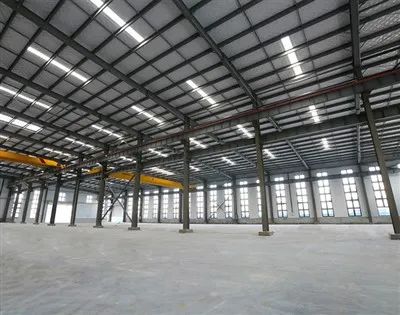
As a trusted supplier of steel workshops, I understand the critical importance of ensuring the safety of electrical systems within these industrial environments. Steel workshops are bustling hubs of activity, housing a wide range of machinery and equipment that rely heavily on electricity to function. Any electrical malfunction or safety hazard can not only disrupt operations but also pose serious risks to the well - being of workers. In this blog, I will share some key strategies and best practices to ensure the safety of electrical systems in a steel workshop.
1. Professional Design and Installation
The first step in guaranteeing electrical safety is to have a professional design and installation. When planning the electrical layout of a Steel Structure Workshop, it's essential to engage a qualified electrical engineer. They will take into account the specific needs of the workshop, such as the power requirements of different machines, the layout of the workspace, and any future expansion plans.
The electrical engineer will design a system that distributes power evenly, minimizing the risk of overloading circuits. They will also ensure that all wiring is properly sized and installed in accordance with local electrical codes. For example, in a steel workshop with large - scale welding equipment and heavy machinery, the electrical system must be designed to handle high - current loads safely.
During the installation process, only certified electricians should be employed. They have the expertise and knowledge to install electrical components correctly, including switches, outlets, and circuit breakers. Proper installation also involves grounding the electrical system to prevent electric shocks and protect against electrical surges.


2. Regular Inspections and Maintenance
Once the electrical system is installed, regular inspections and maintenance are crucial. Scheduled inspections should be carried out by a professional electrician at least once a year, or more frequently if the workshop has a high - intensity operation.
During these inspections, the electrician will check for signs of wear and tear on wiring, loose connections, and any potential fire hazards. They will also test the functionality of safety devices such as circuit breakers and ground - fault circuit interrupters (GFCIs). For instance, a frayed wire can be a significant fire risk, and a malfunctioning circuit breaker may fail to cut off power in the event of an overload.
In addition to professional inspections, workshop staff should be trained to perform basic visual inspections on a daily basis. They can look for obvious signs of damage, such as sparks, smoke, or unusual noises coming from electrical equipment. Any issues detected during these visual inspections should be reported immediately to the maintenance team.
Maintenance tasks also include cleaning electrical components. Dust and debris can accumulate on electrical panels and equipment in a steel workshop, which can cause overheating and short - circuits. Regular cleaning helps to keep the electrical system running smoothly and reduces the risk of malfunctions.
3. Proper Use of Electrical Equipment
Workshop employees must be educated on the proper use of electrical equipment. This starts with providing comprehensive training on how to operate each piece of machinery safely. For example, workers should be taught to turn off equipment when not in use, unplug cords properly, and avoid overloading power strips.
It's also important to ensure that all electrical equipment is used within its rated capacity. Using a tool or machine beyond its specified power requirements can lead to overheating and damage to the electrical system. In a Prefabricated Steel Workshop, where there may be a variety of equipment, clear signage and operating instructions should be provided to guide workers.
Furthermore, employees should be trained to recognize the signs of electrical problems. For example, if a machine suddenly stops working or starts to make strange noises, they should know to stop using it immediately and report the issue.
4. Protection Against Environmental Factors
Steel workshops are often exposed to harsh environmental conditions that can affect the safety of electrical systems. Moisture, dust, and extreme temperatures can all cause damage to wiring and electrical components.
To protect against moisture, electrical enclosures should be properly sealed. In areas where there is a high risk of water exposure, such as near cooling systems or in areas prone to leaks, waterproof electrical outlets and switches should be installed. Additionally, dehumidifiers can be used to control humidity levels in the workshop.
Dust is another major concern in steel workshops. Fine steel dust can accumulate on electrical equipment and cause short - circuits. To prevent this, air filtration systems can be installed to reduce the amount of dust in the air. Regular cleaning of electrical components, as mentioned earlier, is also essential.
Extreme temperatures can also impact the performance of electrical systems. In hot environments, overheating can occur, while in cold conditions, the flexibility of wiring may be reduced. Adequate ventilation and temperature control systems should be in place to maintain a stable operating temperature for the electrical equipment.
5. Emergency Preparedness
Despite all the preventive measures, electrical emergencies can still occur. Therefore, it's important to have an emergency preparedness plan in place. This plan should include procedures for dealing with electrical fires, shocks, and power outages.
Workshop employees should be trained on how to use fire extinguishers specifically designed for electrical fires. They should also know the location of emergency shut - off switches and how to quickly cut off power in case of an emergency.
In the event of a power outage, backup power systems such as generators should be available. These generators should be regularly maintained and tested to ensure they are in working condition when needed.
6. Upgrading and Modernization
As technology advances and the needs of the workshop change, it's important to consider upgrading and modernizing the electrical system. New electrical equipment often comes with improved safety features, such as advanced circuit protection and energy - efficient designs.
For example, replacing old fuse boxes with modern circuit breakers can provide better protection against overloading and short - circuits. Upgrading to energy - efficient lighting systems not only reduces energy consumption but also reduces the heat generated, which can be a safety hazard.
In a Prefab Workshop Building, upgrading the electrical system can also enhance the overall functionality and productivity of the workshop.
Conclusion
Ensuring the safety of electrical systems in a steel workshop is a multifaceted process that requires careful planning, regular maintenance, proper use of equipment, protection against environmental factors, emergency preparedness, and continuous upgrading. As a supplier of steel workshops, I am committed to providing our customers with the best possible solutions to meet their electrical safety needs.
If you are in the market for a steel workshop or need advice on electrical safety in your existing workshop, I encourage you to reach out to us for a detailed discussion. Our team of experts is ready to assist you in creating a safe and efficient electrical system for your steel workshop.
References
- Electrical Safety Foundation International. (2023). Industrial Electrical Safety Guidelines.
- National Fire Protection Association. (2023). NFPA 70: National Electrical Code.
- Occupational Safety and Health Administration. (2023). Electrical Safety Standards for Industrial Workplaces.