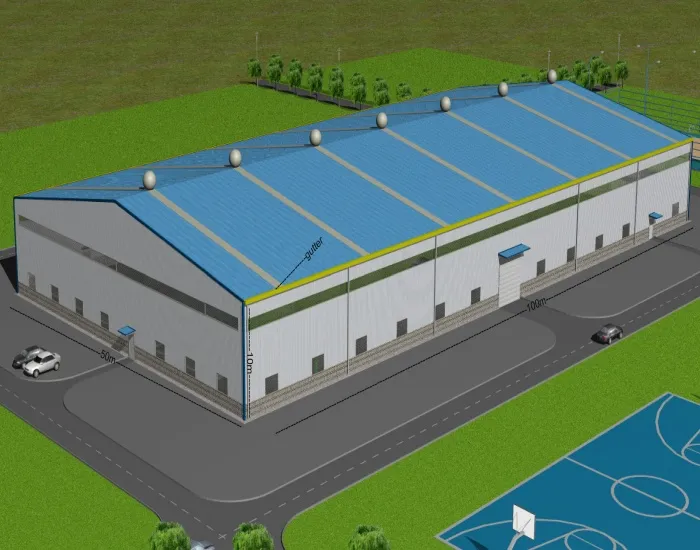
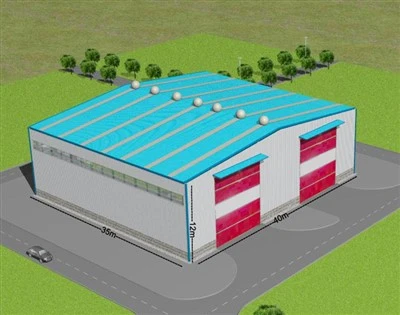
What Packaging Machinery Can Be Installed in a Pre Engineered Workshop?
As a trusted supplier of pre engineered workshops, I understand the diverse needs of businesses when it comes to equipping their workspaces. One crucial aspect is the installation of packaging machinery, which plays a vital role in streamlining production processes and ensuring product quality. In this blog, I'll explore the types of packaging machinery that can be installed in a pre engineered workshop and the benefits they bring.
1. Filling Machines
Filling machines are essential for industries that deal with liquids, powders, or granules. They can accurately measure and dispense the right amount of product into containers. There are different types of filling machines, such as volumetric filling machines and gravity filling machines.
Volumetric filling machines are ideal for products with consistent viscosity. They work by measuring a specific volume of the product and then filling it into the container. These machines are commonly used in the food and beverage industry for filling bottles of juice, milk, and other liquids.
Gravity filling machines, on the other hand, rely on gravity to fill the containers. They are suitable for products with low viscosity, like water or oil. Gravity filling machines are simple in design and easy to operate, making them a cost - effective option for many businesses.
Installing filling machines in a Prefabricated Steel Workshop can significantly increase production efficiency. The pre engineered workshop provides a stable and clean environment for the machines, reducing the risk of contamination and ensuring accurate filling.
2. Sealing Machines
Sealing machines are used to close the containers after they are filled. They can create a tight seal to prevent leakage and preserve the product's freshness. There are various types of sealing machines, including heat sealing machines, induction sealing machines, and cap sealing machines.
Heat sealing machines use heat to melt the plastic or foil on the container's opening, creating a seal. They are commonly used for packaging products in plastic bags, pouches, or containers with plastic lids. Heat sealing machines are fast and reliable, and they can be adjusted to seal different types of materials.
Induction sealing machines use electromagnetic induction to heat a foil liner on the container's opening. This creates a hermetic seal that is tamper - evident and provides excellent protection for the product. Induction sealing machines are often used in the pharmaceutical and food industries.
Cap sealing machines are used to tighten caps on bottles or jars. They can ensure a proper seal and prevent the product from spilling. Cap sealing machines come in different sizes and configurations to accommodate various cap types and container sizes.
A Prefab Workshop Building offers the necessary space and infrastructure for installing sealing machines. The workshop's design can be customized to include proper ventilation and electrical systems to support the operation of these machines.

3. Labeling Machines
Labeling machines are used to apply labels to products or containers. They can improve the product's appearance and provide important information such as ingredients, usage instructions, and barcodes. There are different types of labeling machines, such as pressure - sensitive labeling machines, wrap - around labeling machines, and sleeve labeling machines.
Pressure - sensitive labeling machines use adhesive labels that are applied to the product or container under pressure. They are suitable for a wide range of products and can be adjusted to apply labels of different sizes and shapes.
Wrap - around labeling machines are used to apply labels that wrap around the entire circumference of the container. They are commonly used for cylindrical products such as bottles and cans. Wrap - around labeling machines can provide a 360 - degree view of the label, making it more visible to consumers.
Sleeve labeling machines use a pre - printed plastic sleeve that is shrunk onto the container using heat. This creates a seamless and attractive label that conforms to the shape of the container. Sleeve labeling machines are often used for products that require a high - quality and eye - catching label.
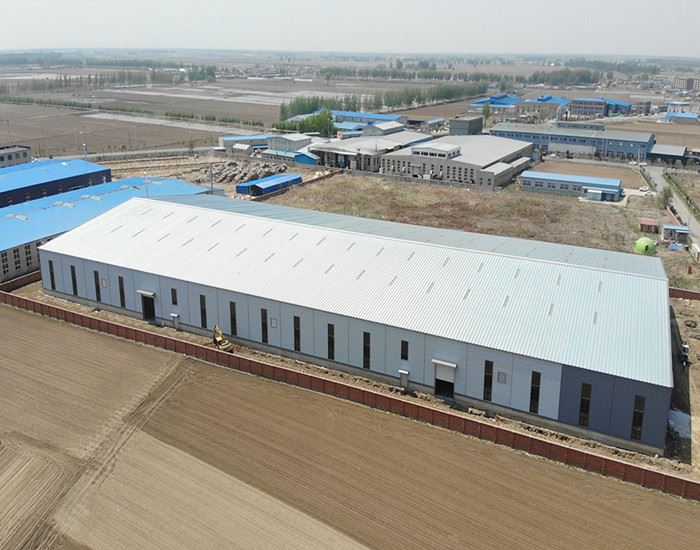
Installing labeling machines in a Steel Structure Workshop can enhance the productivity of the packaging process. The workshop's sturdy structure can support the weight of the machines, and the open layout allows for easy access and maintenance.
4. Cartoning Machines
Cartoning machines are used to pack products into cartons or boxes. They can automate the process of folding, erecting, and filling cartons, saving time and labor. There are different types of cartoning machines, such as horizontal cartoning machines and vertical cartoning machines.
Horizontal cartoning machines are used to pack products horizontally into cartons. They are suitable for products that are flat or have a regular shape, such as blister packs, bottles, or boxes. Horizontal cartoning machines can be configured to handle different carton sizes and product orientations.
Vertical cartoning machines are used to pack products vertically into cartons. They are commonly used for products that are tall or have an irregular shape, such as tubes or vials. Vertical cartoning machines can provide a more efficient way to pack these types of products.
A pre engineered workshop provides a suitable environment for installing cartoning machines. The workshop can be designed to include conveyor systems and other equipment to integrate the cartoning process with the rest of the production line.
5. Palletizing Machines
Palletizing machines are used to stack products on pallets for storage and transportation. They can improve the efficiency of the palletizing process and reduce the risk of injury to workers. There are different types of palletizing machines, such as robotic palletizing machines and conventional palletizing machines.
Robotic palletizing machines use robots to pick and place products on pallets. They are highly flexible and can be programmed to handle different product sizes and shapes. Robotic palletizing machines can also work continuously, increasing the productivity of the palletizing process.
Conventional palletizing machines use mechanical arms or conveyors to stack products on pallets. They are more suitable for high - volume production and can handle heavy products. Conventional palletizing machines are often used in industries such as food, beverage, and automotive.
Installing palletizing machines in a pre engineered workshop can optimize the use of space and improve the overall logistics of the production facility. The workshop can be designed to include a palletizing area with proper ventilation and lighting.
Benefits of Installing Packaging Machinery in a Pre Engineered Workshop
- Cost - effectiveness: Pre engineered workshops are generally more cost - effective to build compared to traditional workshops. They can be constructed quickly, reducing the downtime of the business. Additionally, the modular design of pre engineered workshops allows for easy expansion or modification in the future, which is beneficial when adding or upgrading packaging machinery.
- Customizability: Pre engineered workshops can be customized to meet the specific requirements of the packaging machinery. The layout can be designed to accommodate the size and shape of the machines, as well as the flow of the production process. The workshop can also be equipped with the necessary utilities such as electricity, water, and ventilation to support the operation of the machinery.
- Durability: Pre engineered workshops are made of high - quality materials such as steel, which provides excellent durability and strength. The workshop can withstand harsh environmental conditions and heavy machinery, ensuring a long - term investment for the business.
- Safety: A pre engineered workshop can be designed with safety features such as fire protection systems, emergency exits, and proper ventilation. These features can help protect the workers and the machinery from potential hazards, reducing the risk of accidents and injuries.
Conclusion
Installing packaging machinery in a pre engineered workshop offers numerous benefits for businesses. From filling and sealing machines to labeling, cartoning, and palletizing machines, there are a variety of options available to meet the specific needs of different industries. As a pre engineered workshop supplier, I am committed to providing high - quality workshops that are suitable for the installation of packaging machinery. If you are interested in learning more about our pre engineered workshops or have any questions about packaging machinery installation, please feel free to contact us for a consultation.
References
- Packaging Machinery Manufacturers Institute (PMMI). (2023). Packaging Machinery Handbook.
- ASME. (2022). Standards for Industrial Machinery.
- OSHA. (2023). Safety Guidelines for Machinery Installation.