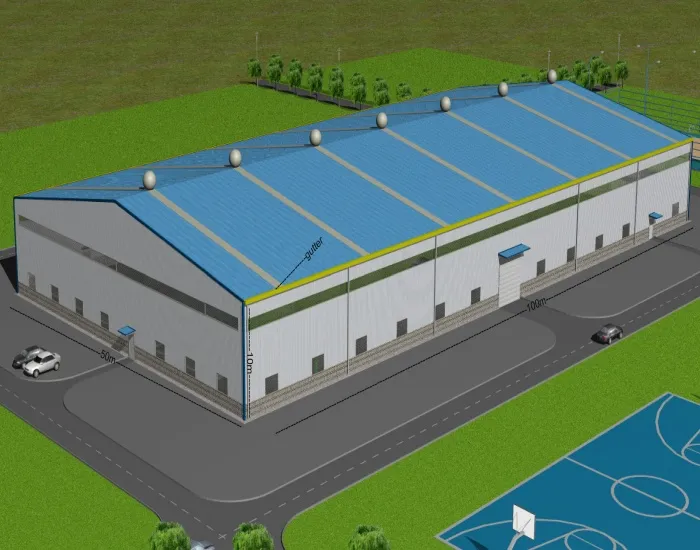
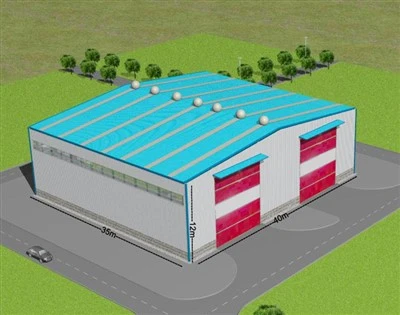
As a supplier of farm storage buildings, I've witnessed firsthand the growing demand for these structures in the agricultural industry. They serve a crucial role in protecting crops, equipment, and livestock, ensuring the smooth operation of farms. However, it's essential to consider the environmental impacts associated with building and operating these facilities. In this blog, I'll explore the various environmental aspects related to farm storage buildings, including their construction, energy consumption, and waste management.
Construction Materials and Their Environmental Impact
The choice of construction materials for farm storage buildings significantly affects the environment. Traditional materials like wood and concrete have their own environmental footprints. Wood, while a renewable resource, requires large amounts of forested land to be harvested. Improper logging practices can lead to deforestation, soil erosion, and loss of biodiversity. Concrete, on the other hand, is energy-intensive to produce. The production of cement, a key component of concrete, releases a substantial amount of carbon dioxide into the atmosphere, contributing to global warming.
At our company, we often recommend steel for farm storage buildings. Steel is a highly recyclable material, with a large percentage of steel in the market being made from recycled scrap. This reduces the need for new raw materials extraction, which in turn decreases the environmental impact associated with mining and processing. Additionally, steel buildings can be prefabricated off - site, reducing construction waste on the farm. For example, our Prefabricated Storage Shed is designed to minimize waste during the manufacturing process and can be quickly assembled on the farm, saving time and resources.
Energy Consumption in Farm Storage Buildings
Energy consumption is another critical environmental factor. Many farm storage buildings require heating, cooling, and lighting systems to maintain optimal conditions for stored products. For instance, a Cold Storage and Warehouse needs to keep a constant low temperature to preserve perishable goods. These energy - intensive operations often rely on fossil fuels, which emit greenhouse gases when burned.
To mitigate this, we encourage the use of energy - efficient technologies. Insulation is a simple yet effective way to reduce energy consumption. Well - insulated buildings can maintain stable temperatures with less energy input. We offer high - quality insulation options for our farm storage buildings, which can significantly lower heating and cooling costs. Solar panels are also a great addition to farm storage buildings. They can generate clean, renewable energy, reducing the building's reliance on the grid and decreasing carbon emissions. Some of our customers have reported significant savings on their energy bills after installing solar panels on their farm storage facilities.
Water Management
Proper water management is essential for farm storage buildings. During construction, runoff from the building site can carry sediment, chemicals, and other pollutants into nearby water bodies. This can cause water pollution, harming aquatic ecosystems. To prevent this, we implement erosion control measures such as silt fences and sediment basins during the construction process. These measures help to trap sediment and prevent it from entering waterways.
In the long - term operation of the building, water management is still crucial. For example, rainwater harvesting systems can be installed on the roof of the farm storage building. The collected rainwater can be used for non - potable purposes such as irrigation or cleaning the building. This reduces the demand for freshwater from municipal sources, conserving this precious resource.
Waste Management
Waste generation is an inevitable part of building and operating farm storage buildings. During construction, there is often a significant amount of construction waste, including scrap materials, packaging, and debris. We strive to minimize this waste by recycling as much as possible. For example, steel scraps can be recycled and reused in the manufacturing process.
In the operation of the building, waste management also plays a role. For instance, if the building is used to store agricultural products, there may be waste such as spoiled crops or packaging materials. Proper waste disposal methods should be employed to ensure that these wastes do not have a negative impact on the environment. Composting can be a viable option for organic waste, which can then be used as fertilizer on the farm.
Biodiversity Impact
The construction of farm storage buildings can have an impact on local biodiversity. The clearing of land for the building can destroy natural habitats for plants and animals. This can lead to a decrease in the number of species in the area. To minimize this impact, we recommend conducting an environmental assessment before construction. This assessment can identify areas of high biodiversity value and help to develop strategies to protect them.
For example, if there are endangered plant species on the proposed building site, measures can be taken to relocate these plants to a suitable area. Additionally, we can design the building in a way that allows for the preservation of some natural areas around the building, such as creating green buffers or wildlife corridors.
Air Quality
The operation of farm storage buildings can also affect air quality. For example, if the building is used to store pesticides or fertilizers, there may be emissions of volatile organic compounds (VOCs) and other pollutants. These emissions can contribute to air pollution and have negative health effects on humans and animals.
To address this issue, proper ventilation systems should be installed in the building. Ventilation helps to remove pollutants from the air inside the building and prevent them from being released into the environment. We offer ventilation solutions for our farm storage buildings that are designed to improve air quality and reduce the risk of pollution.
Noise Pollution
Noise pollution is another potential environmental impact of farm storage buildings. Construction activities can generate a significant amount of noise, which can disturb nearby residents and wildlife. During the construction process, we use noise - reducing equipment and schedule construction activities at appropriate times to minimize the impact on the surrounding environment.
In the long - term operation of the building, noise from equipment such as fans, compressors, and generators can also be a problem. We recommend the use of noise - reducing technologies and proper insulation to reduce the noise level. This not only benefits the environment but also improves the working conditions inside the building.


Conclusion
Building a farm storage building has various environmental impacts, but with careful planning and the use of sustainable practices, these impacts can be minimized. As a supplier of farm storage buildings, we are committed to providing our customers with environmentally friendly solutions. We offer a range of products, such as Cold Storage and Warehouse and Prefabricated Storage Shed, that are designed to be energy - efficient, recyclable, and have a low environmental footprint.
If you are considering building a farm storage building, we encourage you to contact us for a consultation. Our team of experts can help you choose the right building design and materials to meet your needs while minimizing the environmental impact. We look forward to working with you to create a sustainable and efficient farm storage solution.
References
- American Institute of Steel Construction. (2019). Steel Construction Manual.
- U.S. Environmental Protection Agency. (2020). Energy Efficiency and Renewable Energy for Agriculture.
- World Wildlife Fund. (2021). Biodiversity Conservation Handbook.