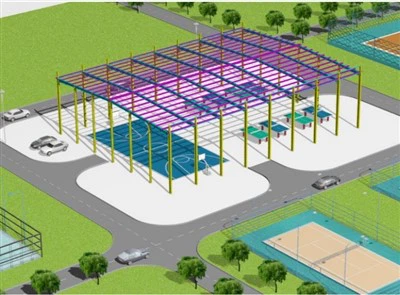
Pest control in a prebuilt warehouse is a crucial aspect of maintaining a safe, clean, and efficient storage environment. As a prebuilt warehouse supplier, I understand the significance of this issue and the impact it can have on the overall functionality and longevity of the warehouse. In this blog, I will delve into what pest control in a prebuilt warehouse entails, its importance, common pests, and effective control measures.
What is Pest Control in a Prebuilt Warehouse?
Pest control in a prebuilt warehouse refers to the set of strategies and actions taken to prevent, manage, and eliminate pests that may infest the warehouse. A prebuilt warehouse, such as a Metal Structure Warehouse or a Prefabricated Industrial Steel Structure Warehouse, provides a large storage space for various goods. However, this space can also attract pests if not properly managed.
Pest control encompasses a wide range of activities, including regular inspections, sanitation measures, physical barriers, and the use of pesticides when necessary. The goal is to keep the warehouse free from pests such as rodents, insects, and birds, which can cause damage to the stored goods, the warehouse structure, and pose health risks to the workers.
Importance of Pest Control in a Prebuilt Warehouse
The importance of pest control in a prebuilt warehouse cannot be overstated. Here are some key reasons why it is essential:
Protection of Goods
Pests can cause significant damage to the goods stored in the warehouse. Rodents, for example, can chew through packaging materials and contaminate food products with their urine and feces. Insects like termites can damage wooden pallets and structures, while moths can eat through fabrics. By implementing effective pest control measures, the risk of damage to the goods is minimized, ensuring that they remain in good condition until they are shipped out.
Preservation of the Warehouse Structure
Pests can also cause damage to the warehouse structure itself. Termites can weaken wooden beams and supports, while rodents can gnaw on electrical wires, posing a fire hazard. Birds can build nests in ventilation systems, blocking airflow and causing overheating. Regular pest control helps to identify and address these issues before they cause serious structural damage.
Health and Safety of Workers
Pests can carry various diseases and allergens that can pose health risks to the workers in the warehouse. Rodents can transmit diseases such as hantavirus and salmonella, while insects like mosquitoes can spread malaria and dengue fever. By keeping the warehouse free from pests, the health and safety of the workers are protected, reducing the risk of illness and absenteeism.
Compliance with Regulations
Many industries are subject to strict regulations regarding pest control in warehouses. Failure to comply with these regulations can result in fines and legal issues. By implementing a comprehensive pest control program, the warehouse can ensure that it meets all the necessary regulatory requirements.
Common Pests in a Prebuilt Warehouse
There are several common pests that can infest a prebuilt warehouse. Understanding these pests is the first step in implementing effective pest control measures.
Rodents
Rodents, such as rats and mice, are one of the most common pests in warehouses. They are attracted to the food and shelter provided by the warehouse and can quickly multiply if not controlled. Rodents can cause damage to the stored goods, spread diseases, and contaminate food products.
Insects
Insects are another common pest in warehouses. Termites can cause significant damage to wooden structures, while cockroaches can contaminate food products and spread diseases. Other insects, such as ants, beetles, and moths, can also be a nuisance and cause damage to the stored goods.
Birds
Birds can also be a problem in warehouses, especially if there are open windows or ventilation systems. Birds can build nests in the warehouse, which can block ventilation and cause overheating. They can also leave droppings, which can contaminate the stored goods and pose a health risk.
Effective Pest Control Measures
To effectively control pests in a prebuilt warehouse, a comprehensive approach is required. Here are some effective pest control measures:
Regular Inspections
Regular inspections are the foundation of any pest control program. Inspections should be conducted at least once a month to identify any signs of pest activity, such as droppings, gnaw marks, or nests. The inspections should cover all areas of the warehouse, including the storage areas, loading docks, and offices.
Sanitation Measures
Maintaining a clean and sanitary warehouse is essential for pest control. This includes regular cleaning of the floors, shelves, and storage areas, as well as proper waste management. Food spills should be cleaned up immediately, and garbage should be removed regularly. By eliminating the food and water sources for pests, the risk of infestation is reduced.
Physical Barriers
Physical barriers can be used to prevent pests from entering the warehouse. This includes installing door sweeps, window screens, and sealing any cracks or holes in the walls and floors. Ventilation systems should also be equipped with filters to prevent birds and insects from entering.
Traps and Baits
Traps and baits can be used to control rodents and insects. Rodent traps can be placed in areas where rodents are likely to travel, such as along walls and near food sources. Insect baits can be used to attract and kill insects. However, it is important to use these products safely and according to the manufacturer's instructions.
Pesticides
In some cases, the use of pesticides may be necessary to control pests. However, pesticides should be used as a last resort and only by trained professionals. The type of pesticide used will depend on the type of pest and the severity of the infestation. It is important to follow all safety precautions when using pesticides to protect the health of the workers and the environment.
Implementing a Pest Control Program
Implementing a pest control program in a prebuilt warehouse requires a coordinated effort between the warehouse management, the pest control company, and the workers. Here are the steps involved in implementing a pest control program:
Develop a Plan
The first step is to develop a comprehensive pest control plan. This plan should include the goals of the program, the methods to be used, the frequency of inspections and treatments, and the responsibilities of each party involved.
Hire a Professional Pest Control Company
It is recommended to hire a professional pest control company with experience in warehouse pest control. The pest control company can conduct a thorough inspection of the warehouse, identify the pests, and recommend the appropriate control measures. They can also provide regular maintenance services to ensure that the warehouse remains pest-free.


Train the Workers
The workers in the warehouse should be trained on the importance of pest control and the role they play in preventing infestations. They should be taught how to identify signs of pests, how to maintain a clean and sanitary work environment, and what to do if they see a pest.
Monitor and Evaluate the Program
Once the pest control program is implemented, it is important to monitor and evaluate its effectiveness. Regular inspections should be conducted to ensure that the pests are being controlled, and any issues should be addressed promptly. The program should be adjusted as needed to ensure that it remains effective over time.
Conclusion
Pest control in a prebuilt warehouse is a critical aspect of warehouse management. By implementing a comprehensive pest control program, the warehouse can protect its goods, preserve its structure, ensure the health and safety of its workers, and comply with regulations. As a prebuilt warehouse supplier, I recommend that all warehouse owners prioritize pest control to ensure the long-term success of their operations.
If you are interested in purchasing a prebuilt warehouse, such as a 70x33 Hangar, or need more information about pest control in warehouses, please feel free to contact us. We are here to help you find the best solution for your storage needs.
References
- National Pest Management Association. (n.d.). Commercial Pest Control. Retrieved from https://www.pestworld.org/services/commercial-pest-control/
- Occupational Safety and Health Administration. (n.d.). Pesticide Safety in the Workplace. Retrieved from https://www.osha.gov/pesticides
- United States Environmental Protection Agency. (n.d.). Integrated Pest Management. Retrieved from https://www.epa.gov/ipm