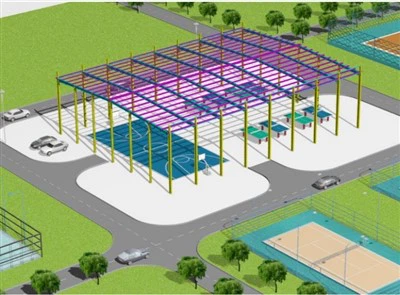
Hey there! I'm a supplier of 40x70 metal buildings, and I often get asked about the environmental impacts of these structures. So, I thought I'd break it down for you in this blog post.
1. Raw Material Extraction and Production
Let's start with the raw materials. Metal buildings are mainly made of steel, and the extraction of iron ore, which is the primary ingredient for steel, has some environmental consequences. Mining operations can cause habitat destruction, soil erosion, and water pollution. When companies dig for iron ore, they often have to clear large areas of land, which can displace wildlife and disrupt ecosystems.
But here's the good news. The steel industry has come a long way in recent years. Many steel manufacturers are now using more sustainable mining practices. They're trying to minimize the amount of land they disturb and are also working on reducing water and air pollution. Also, a significant portion of the steel used in metal buildings is recycled. Recycling steel reduces the need for new ore extraction, which in turn conserves natural resources and energy. In fact, recycling steel can save up to 75% of the energy required to produce new steel from virgin materials.
2. Energy Consumption During Construction
Building a 40x70 metal building also consumes energy. The manufacturing process of steel involves high - temperature furnaces, which use a lot of energy. However, compared to traditional building materials like concrete and wood, steel has some advantages. Metal buildings are pre - fabricated in factories, which means most of the construction work is done off - site. This reduces the time and energy spent on the actual building site.
On - site construction for a metal building is relatively quick. You don't have to wait for concrete to cure or deal with the drying time of wood. This efficiency in construction means less energy is used overall. Plus, the precision of pre - fabrication reduces waste. There's less cutting and trimming on - site, which means fewer materials end up in landfills.


3. Energy Efficiency of the Building
Once the 40x70 metal building is up and running, it can be quite energy - efficient. Metal is a great conductor of heat, but modern metal buildings are designed with insulation. High - quality insulation can significantly reduce the amount of energy needed for heating and cooling. This means lower energy bills for the building owner and a reduced carbon footprint.
Some metal buildings also have the option of installing solar panels on the roof. Since metal roofs are durable and flat, they're an ideal surface for solar panel installation. Solar energy is a clean and renewable source of power, and using it can further reduce the environmental impact of the building.
4. Durability and Longevity
One of the biggest environmental benefits of a 40x70 metal building is its durability. Metal buildings can last for decades, sometimes even over a century with proper maintenance. This means you don't have to tear down and rebuild the structure as often as you would with other building materials.
Think about it. If a building needs to be replaced every 20 - 30 years, that's a lot of new materials being used and a lot of waste being generated. With a metal building, you can avoid this cycle. The long lifespan of metal buildings reduces the overall environmental impact associated with construction and demolition.
5. End - of - Life Recycling
When a metal building reaches the end of its useful life, the steel can be recycled. As I mentioned earlier, steel is one of the most recycled materials in the world. Recycling steel is much more energy - efficient than producing new steel from raw materials. So, even at the end of its life, a 40x70 metal building can still have a positive environmental impact.
Real - World Applications and Their Environmental Benefits
Now, let's talk about some real - world applications of 40x70 metal buildings.
If you're looking for a Steel Bus Station, a metal building can be a great option. These stations need to be durable and weather - resistant. A metal bus station can last for a long time, reducing the need for frequent replacements. It can also be designed with energy - efficient features like proper insulation and natural lighting, which helps in reducing energy consumption.
For those in the agricultural sector, a Steel Poultry House is a popular choice. Metal poultry houses are easy to clean and maintain, which is important for the health of the birds. They can also be designed to be energy - efficient, with proper ventilation systems that reduce the need for artificial heating and cooling. This not only saves energy but also reduces the environmental impact of the poultry farm.
In the commercial sector, a Prefabricated Shopping Mall made of metal can be a sustainable option. The pre - fabrication process means less waste on - site, and the durability of the metal structure ensures a long - lasting building. Additionally, a metal shopping mall can be designed with energy - saving features like large windows for natural light and efficient heating and cooling systems.
Conclusion and Call to Action
So, as you can see, a 40x70 metal building has both positive and negative environmental impacts. But overall, the benefits in terms of energy efficiency, durability, and recyclability make it a relatively sustainable choice.
If you're considering a metal building for your next project, whether it's a bus station, a poultry house, or a shopping mall, I'd love to chat with you. We can discuss your specific needs and how we can make your building as environmentally friendly as possible.
Let's work together to build structures that are not only functional but also kind to our planet.
References
- American Iron and Steel Institute. (2023). The Environmental Benefits of Steel.
- World Steel Association. (2023). Sustainable Steel Production.