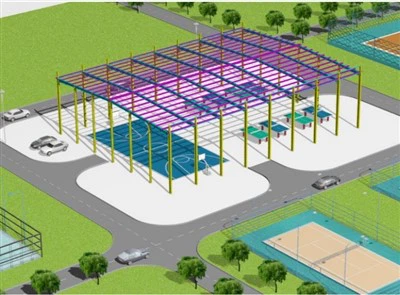
Hey there! I'm a supplier of 40x70 metal buildings, and I often get asked about the energy consumption of these structures. So, I thought I'd break it down for you in this blog post.
Understanding the Basics of a 40x70 Metal Building
First off, a 40x70 metal building is a pretty decent - sized structure. It offers a lot of space, which can be used for various purposes like a warehouse, a workshop, or even an agricultural building.
The energy consumption of a 40x70 metal building depends on several factors. Let's start with the insulation. If the building is well - insulated, it can significantly reduce energy usage. Insulation helps to keep the heat in during the winter and out during the summer. For example, if you use high - quality insulation materials like fiberglass or spray foam, the building won't have to work as hard to maintain a comfortable temperature.
Another factor is the type of heating and cooling systems installed. If you go for an energy - efficient HVAC system, it can save a ton of energy. Modern HVAC systems are designed to use less power while still providing effective heating and cooling.
The orientation of the building also plays a role. If the building is oriented in a way that it can take advantage of natural sunlight, it can reduce the need for artificial lighting during the day. For instance, having large windows on the south - facing side can let in plenty of sunlight, which in turn cuts down on the electricity used for lighting.
Energy Consumption for Different Uses
Industrial Warehouse Building
If you're using the 40x70 metal building as an Industrial Warehouse Building, the energy consumption will be influenced by the equipment used inside. Forklifts, conveyor belts, and lighting systems all use energy. If you use energy - efficient models of these equipment, it can make a big difference.
For example, LED lighting is much more energy - efficient than traditional incandescent bulbs. And modern forklifts are designed to use less fuel or electricity. The ventilation system in a warehouse is also crucial. A well - designed ventilation system can keep the air fresh without using excessive energy.
Steel Structure Cow Shed
When it comes to using the building as a Steel Structure Cow Shed, the energy consumption is mainly for maintaining a comfortable environment for the cows. You need to keep the temperature and humidity at the right levels.
Heating in the winter and cooling in the summer are essential. However, if you use natural ventilation and proper insulation, you can reduce the reliance on mechanical heating and cooling systems. For example, installing vents at the top of the building can allow hot air to escape, reducing the need for air - conditioning.
Poultry Farm Shed
A Poultry Farm Shed has its own set of energy requirements. You need to keep the temperature and humidity constant to ensure the health of the poultry. Lighting is also important as it affects the growth and behavior of the birds.
Using energy - efficient lighting and heating systems can help cut down on energy costs. For example, using infrared heaters can be more energy - efficient than traditional heaters. And having a well - designed ventilation system can prevent the build - up of ammonia and other harmful gases without using too much energy.


Calculating Energy Consumption
To get a rough estimate of the energy consumption of a 40x70 metal building, you can start by looking at the size of the building. The larger the building, the more energy it will generally consume. You also need to consider the climate in your area. If you're in a region with extreme temperatures, the building will need more energy to maintain a comfortable temperature.
Let's say you have a well - insulated 40x70 metal building in a moderate climate. If you use energy - efficient lighting and a modern HVAC system, you can expect the monthly energy consumption to be relatively low. However, if you have a lot of equipment running inside the building, the energy consumption will go up.
One way to calculate the energy consumption is to look at the power ratings of all the equipment in the building. Add up the power ratings of the lighting, heating, cooling, and other equipment. Then, multiply that by the number of hours they are used each day. This will give you a rough estimate of the daily energy consumption. Multiply that by 30 to get the monthly estimate.
Tips to Reduce Energy Consumption
Here are some tips to reduce the energy consumption of your 40x70 metal building:
- Upgrade Insulation: As I mentioned earlier, good insulation is key. It can save a lot of energy by reducing heat transfer.
- Use Energy - Efficient Equipment: Replace old, inefficient equipment with energy - efficient models. This includes lighting, HVAC systems, and any other machinery in the building.
- Optimize Natural Lighting: Make use of windows and skylights to let in natural light. This can reduce the need for artificial lighting during the day.
- Proper Ventilation: A well - designed ventilation system can keep the air fresh without using too much energy. You can use natural ventilation methods like vents and louvers.
Conclusion
So, the energy consumption of a 40x70 metal building can vary widely depending on how it's used, the equipment inside, and the climate. But with the right insulation, energy - efficient equipment, and smart design, you can keep the energy consumption at a reasonable level.
If you're interested in purchasing a 40x70 metal building, or you have any questions about energy consumption and how to make your building more energy - efficient, feel free to reach out. We're here to help you make the best choice for your needs.
References
- ASHRAE Handbook - Fundamentals. American Society of Heating, Refrigerating and Air - Conditioning Engineers.
- Energy Star Guidelines for Commercial Buildings. U.S. Environmental Protection Agency.