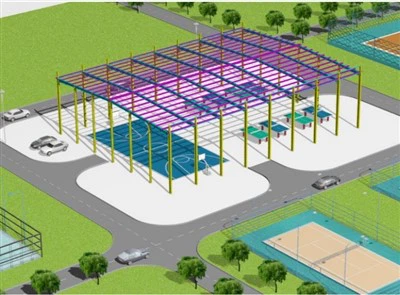
When it comes to constructing a prefab steel shed, one of the most critical decisions you'll make is choosing the right foundation. As a prefab steel shed supplier with years of experience in the industry, I've seen firsthand how the foundation can significantly impact the longevity, stability, and overall performance of these structures. In this blog post, I'll delve into the various types of foundations suitable for prefab steel sheds, their pros and cons, and factors to consider when making your selection.
Types of Foundations for Prefab Steel Sheds
Concrete Slab Foundation
A concrete slab is perhaps the most common and reliable foundation for prefab steel sheds. It provides a solid, level surface that can support the weight of the shed and its contents. The process of pouring a concrete slab involves excavating the area, installing formwork, placing reinforcement bars (rebar), and then pouring the concrete. Once the concrete has cured, it forms a durable base that can withstand the elements and heavy loads.
Pros:
- Stability: A concrete slab offers excellent stability, preventing the shed from shifting or settling over time. This is especially important in areas with high winds or seismic activity.
- Durability: Concrete is a long-lasting material that can withstand wear and tear, as well as exposure to moisture and chemicals.
- Versatility: A concrete slab can be used for a variety of prefab steel shed applications, including storage, workshops, and agricultural buildings.
Cons:
- Cost: Pouring a concrete slab can be expensive, especially if you need to hire a professional contractor. The cost can vary depending on the size of the shed, the thickness of the slab, and the location.
- Installation Time: The installation of a concrete slab can take several days or even weeks, depending on the weather conditions and the complexity of the project.
- Limited Mobility: Once the concrete slab is poured, it is difficult to move or modify the shed. This can be a drawback if you plan to relocate the shed in the future.
Pier and Beam Foundation
A pier and beam foundation consists of concrete piers or footings that support wooden or steel beams. The beams, in turn, support the floor of the prefab steel shed. This type of foundation is often used in areas with uneven terrain or poor soil conditions.
Pros:


- Cost-Effective: A pier and beam foundation is generally less expensive than a concrete slab foundation, especially for smaller sheds.
- Easy Installation: The installation of a pier and beam foundation is relatively straightforward and can be completed in a shorter amount of time compared to a concrete slab.
- Good Drainage: The open space between the beams allows for better drainage, preventing water from pooling under the shed.
Cons:
- Limited Load Capacity: A pier and beam foundation may not be suitable for large or heavy prefab steel sheds, as it may not provide enough support.
- Maintenance: The wooden beams in a pier and beam foundation may require regular maintenance, such as painting or sealing, to prevent rot and decay.
- Susceptibility to Pests: The open space under the shed can provide a habitat for pests, such as rodents and insects.
Gravel Pad Foundation
A gravel pad foundation is a simple and cost-effective option for prefab steel sheds. It involves spreading a layer of gravel over a compacted soil base to create a level surface. The gravel provides drainage and helps to prevent the shed from sinking into the ground.
Pros:
- Low Cost: A gravel pad foundation is one of the most affordable options for prefab steel sheds, as it requires minimal materials and labor.
- Easy Installation: The installation of a gravel pad foundation is relatively easy and can be completed in a short amount of time.
- Good Drainage: Gravel allows water to drain freely, preventing water from pooling under the shed.
Cons:
- Limited Stability: A gravel pad foundation may not provide enough stability for large or heavy prefab steel sheds, especially in areas with high winds or seismic activity.
- Maintenance: The gravel may need to be replenished periodically to maintain its effectiveness.
- Appearance: A gravel pad foundation may not be as aesthetically pleasing as a concrete slab or pier and beam foundation.
Factors to Consider When Choosing a Foundation
When choosing a foundation for your prefab steel shed, there are several factors to consider, including:
- Soil Conditions: The type of soil on your property will determine the type of foundation that is most suitable. For example, if you have sandy or loose soil, a concrete slab or pier and beam foundation may be necessary to provide adequate support.
- Climate: The climate in your area can also affect the choice of foundation. In areas with high rainfall or snowfall, a foundation with good drainage is essential to prevent water damage. In areas with extreme temperatures, a foundation that can withstand freezing and thawing cycles is recommended.
- Size and Weight of the Shed: The size and weight of the prefab steel shed will also play a role in determining the type of foundation. Larger and heavier sheds will require a more substantial foundation to support their weight.
- Budget: Your budget will also be a factor in choosing a foundation. Concrete slab foundations are generally the most expensive, while gravel pad foundations are the most affordable.
Conclusion
Choosing the right foundation for your prefab steel shed is crucial for its long-term performance and durability. As a prefab steel shed supplier, I recommend consulting with a professional contractor or engineer to determine the most suitable foundation for your specific needs and site conditions. By considering the factors discussed in this blog post, you can make an informed decision and ensure that your prefab steel shed is built on a solid foundation.
If you're interested in purchasing a prefab steel shed, we offer a wide range of options to suit your needs and budget. Check out our Prefab Metal Storage Buildings, Industrial Shed Warehouse, and Portable Steel Structure Prefabricated Shed for more information. Contact us today to discuss your project and get a free quote.
References
- "Building Foundations: Types and Considerations." HomeAdvisor.
- "Choosing the Right Foundation for Your Metal Building." American Buildings Company.
- "Foundation Options for Prefabricated Buildings." Hansen Buildings.