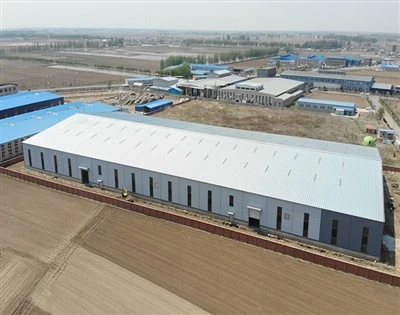
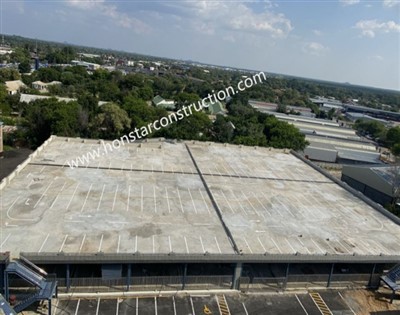
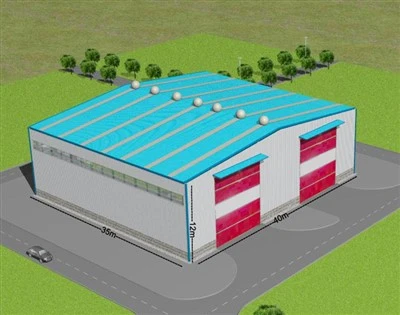
Hey there! I'm a supplier of pre engineered workshops, and I've been getting a lot of questions lately about what cooling systems are suitable for these types of buildings in hot climates. So, I thought I'd share some insights based on my experience and knowledge.
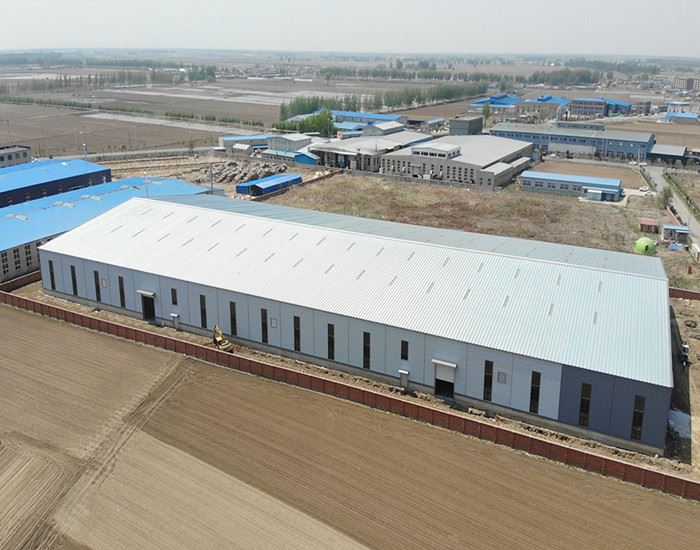
First off, let's talk about pre engineered workshops. These are buildings that are designed and fabricated off - site and then assembled on location. They're super popular because they're cost - effective, quick to build, and can be customized to fit various needs. If you're interested in learning more about them, you can check out these links: Steel Structure Workshop, Prefab Workshop Building, and Prefabricated Steel Workshop.
Now, when it comes to hot climates, keeping a pre engineered workshop cool is crucial. Not only does it make the working environment more comfortable for employees, but it also helps protect equipment and materials from heat damage.
Evaporative Cooling Systems
One of the most popular cooling options for pre engineered workshops in hot climates is evaporative cooling. This system works by using the natural process of evaporation to cool the air. Water is pumped through pads, and as hot air passes through these wet pads, the water evaporates, which cools the air.
The big advantage of evaporative cooling is that it's energy - efficient. It uses a lot less electricity compared to traditional air - conditioning systems. It's also relatively inexpensive to install and maintain. For workshops in dry, hot climates, evaporative cooling can be a great choice. However, it does have some limitations. In areas with high humidity, the effectiveness of evaporative cooling drops significantly because there's less room for the water to evaporate.
Air - Conditioning Systems
Traditional air - conditioning systems are another option. These work by removing heat and moisture from the air. There are different types of air - conditioning systems, such as split systems and packaged units.
Split systems consist of an indoor unit and an outdoor unit. They're great for smaller pre engineered workshops or areas within a larger workshop that need individual cooling. Packaged units, on the other hand, are all - in - one systems that are usually installed on the roof or outside the building. They're more suitable for larger workshops.
The main benefit of air - conditioning is that it can provide precise temperature and humidity control. It works well in both dry and humid climates. But the downside is that it consumes a lot of energy, which can lead to high electricity bills. Also, the initial installation cost can be quite high.
Ventilation Systems
Ventilation is a simple yet effective way to cool a pre engineered workshop. By bringing in fresh air from outside and expelling hot air from inside, ventilation systems can help reduce the temperature inside the building.
There are two main types of ventilation systems: natural ventilation and mechanical ventilation. Natural ventilation relies on the natural movement of air, such as through vents and windows. It's a cost - free option, but it depends on the wind and weather conditions. Mechanical ventilation, on the other hand, uses fans to move air in and out of the building. It provides more control over the airflow and can be adjusted according to the needs of the workshop.
Ventilation systems are relatively inexpensive to install and operate. They also improve the air quality inside the workshop, which is important for the health and well - being of employees. However, they may not be sufficient on their own in extremely hot climates.
Chilled Beam Systems
Chilled beam systems are a more advanced cooling option. These systems use water - cooled beams installed in the ceiling to cool the air. As warm air rises and comes into contact with the chilled beams, it cools down and falls back into the room.
Chilled beam systems are energy - efficient because they use water instead of refrigerant to cool the air. They also provide a quiet and comfortable working environment since there are no noisy fans. However, they require a more complex installation process and may not be suitable for all pre engineered workshops.
Factors to Consider
When choosing a cooling system for a pre engineered workshop in a hot climate, there are several factors to consider.
Size of the Workshop: The size of the workshop will determine the capacity of the cooling system needed. A larger workshop will require a more powerful system to maintain a comfortable temperature.
Climate Conditions: As mentioned earlier, the climate of the area plays a big role. In dry climates, evaporative cooling may be sufficient, while in humid climates, air - conditioning may be a better choice.
Budget: Your budget will also influence your decision. Evaporative cooling and ventilation systems are generally more affordable, while air - conditioning and chilled beam systems can be more expensive.
Workshop Activities: The type of activities carried out in the workshop can affect the cooling requirements. For example, if there are machines that generate a lot of heat, a more powerful cooling system may be needed.
Conclusion
In conclusion, there are several cooling systems suitable for a pre engineered workshop in hot climates, each with its own pros and cons. Evaporative cooling is energy - efficient and cost - effective in dry climates, while air - conditioning provides precise control in all climates. Ventilation systems are simple and improve air quality, and chilled beam systems offer an advanced and energy - efficient solution.
If you're in the market for a pre engineered workshop and need help choosing the right cooling system, don't hesitate to reach out. We can discuss your specific needs and come up with the best solution for your workshop.

References
- ASHRAE Handbook - HVAC Systems and Equipment. American Society of Heating, Refrigerating and Air - Conditioning Engineers.
- Building Design and Construction Magazine. Various articles on industrial building cooling systems.