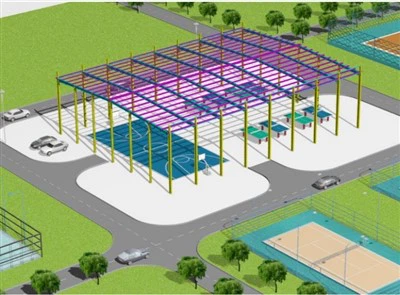
In today's rapidly evolving construction landscape, modern prefab steel buildings have emerged as a popular choice for various applications, including commercial, industrial, and residential projects. As a leading supplier of Modern Prefab Steel Buildings, I understand the importance of security and access control in these structures. In this blog post, I will explore the different access control systems available for modern prefab steel buildings and discuss their benefits and considerations.
Why Access Control is Crucial for Modern Prefab Steel Buildings
Access control systems play a vital role in ensuring the safety and security of modern prefab steel buildings. These structures are often used to house valuable assets, sensitive information, and personnel, making them potential targets for unauthorized access, theft, and vandalism. By implementing an effective access control system, building owners and managers can restrict entry to authorized individuals, monitor and track access activities, and respond quickly to security breaches.
In addition to security, access control systems can also improve operational efficiency and productivity. By automating the access process, these systems can reduce the time and effort required to manage building access, eliminate the need for manual key management, and provide real-time visibility into access events. This can help building owners and managers streamline their operations, reduce costs, and improve the overall user experience.
Types of Access Control Systems for Modern Prefab Steel Buildings
There are several types of access control systems available for modern prefab steel buildings, each with its own features, benefits, and limitations. The choice of access control system will depend on various factors, such as the size and complexity of the building, the level of security required, the budget, and the specific needs and preferences of the building owner or manager. Here are some of the most common types of access control systems:

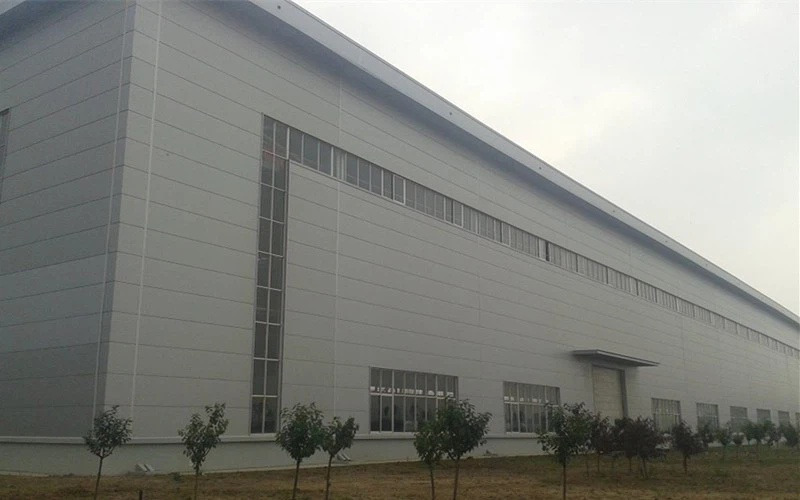
1. Key-Based Access Control Systems
Key-based access control systems are the most traditional and widely used type of access control system. These systems use physical keys, such as mechanical keys or key cards, to grant access to authorized individuals. Key-based access control systems are relatively simple and inexpensive to install and maintain, making them a popular choice for small to medium-sized buildings.
However, key-based access control systems have several limitations. Keys can be lost, stolen, or duplicated, which can compromise the security of the building. Additionally, managing keys can be time-consuming and expensive, especially in large buildings with multiple access points.
2. Card-Based Access Control Systems
Card-based access control systems use proximity cards or smart cards to grant access to authorized individuals. These cards contain a unique identifier that is read by a card reader installed at the access point. Card-based access control systems are more secure than key-based access control systems, as cards are more difficult to duplicate and can be easily deactivated if lost or stolen.
Card-based access control systems also offer greater flexibility and convenience than key-based access control systems. Cards can be programmed to grant access to specific areas of the building, at specific times, and to specific individuals. Additionally, card-based access control systems can be integrated with other security systems, such as CCTV cameras and alarm systems, to provide a comprehensive security solution.
3. Biometric Access Control Systems
Biometric access control systems use biometric identifiers, such as fingerprints, facial recognition, or iris recognition, to grant access to authorized individuals. These systems are highly secure, as biometric identifiers are unique to each individual and cannot be easily duplicated or forged.
Biometric access control systems also offer greater convenience and efficiency than card-based access control systems. Users do not need to carry a card or remember a code, as their biometric identifier is used to grant access automatically. Additionally, biometric access control systems can be integrated with other security systems, such as CCTV cameras and alarm systems, to provide a comprehensive security solution.
However, biometric access control systems are more expensive to install and maintain than card-based access control systems. Additionally, some users may have concerns about the privacy and security of their biometric data.
4. Keypad-Based Access Control Systems
Keypad-based access control systems use a numeric keypad to grant access to authorized individuals. Users enter a unique code into the keypad, which is then verified by the access control system. Keypad-based access control systems are relatively simple and inexpensive to install and maintain, making them a popular choice for small to medium-sized buildings.
However, keypad-based access control systems have several limitations. Codes can be easily forgotten or shared, which can compromise the security of the building. Additionally, managing codes can be time-consuming and expensive, especially in large buildings with multiple access points.
5. Mobile-Based Access Control Systems
Mobile-based access control systems use a smartphone app to grant access to authorized individuals. Users download the app onto their smartphone and use it to unlock the access point. Mobile-based access control systems are highly convenient and flexible, as users can use their smartphone to access the building from anywhere.
Mobile-based access control systems also offer greater security than card-based access control systems, as smartphones are more difficult to duplicate and can be easily deactivated if lost or stolen. Additionally, mobile-based access control systems can be integrated with other security systems, such as CCTV cameras and alarm systems, to provide a comprehensive security solution.
However, mobile-based access control systems are more dependent on technology than other types of access control systems. If the smartphone app malfunctions or the user's smartphone is lost or stolen, they may not be able to access the building.
Considerations When Choosing an Access Control System for Modern Prefab Steel Buildings
When choosing an access control system for modern prefab steel buildings, there are several factors to consider. Here are some of the most important considerations:
1. Security Requirements
The level of security required will depend on the type of building, the nature of the activities taking place inside the building, and the value of the assets and information stored inside the building. Buildings that house sensitive information or valuable assets may require a higher level of security than buildings that are used for general office or storage purposes.
2. Budget
The budget will also play a role in the choice of access control system. Some access control systems, such as biometric access control systems, are more expensive to install and maintain than others, such as key-based access control systems. Building owners and managers should consider their budget and choose an access control system that provides the level of security they need at a price they can afford.
3. Scalability
The access control system should be scalable to accommodate future growth and changes in the building. As the building expands or the security requirements change, the access control system should be able to easily adapt to these changes.
4. Integration
The access control system should be able to integrate with other security systems, such as CCTV cameras and alarm systems, to provide a comprehensive security solution. Integration can help building owners and managers monitor and respond to security events more effectively.
5. User Experience
The access control system should be easy to use and user-friendly. Users should be able to access the building quickly and easily without having to go through a complicated process. Additionally, the access control system should provide clear instructions and feedback to users to ensure a smooth and hassle-free experience.
Conclusion
Access control systems are an essential component of modern prefab steel buildings. By implementing an effective access control system, building owners and managers can ensure the safety and security of their buildings, improve operational efficiency and productivity, and provide a better user experience for their tenants and employees.
As a leading supplier of Modern Prefab Steel Buildings, I understand the importance of security and access control in these structures. I offer a wide range of access control systems, including key-based, card-based, biometric, keypad-based, and mobile-based access control systems, to meet the specific needs and requirements of my clients.
If you are interested in learning more about access control systems for modern prefab steel buildings or if you would like to discuss your specific needs and requirements, please contact me. I would be happy to help you choose the right access control system for your building and provide you with a free consultation and quote.
References
- "Access Control Systems: A Comprehensive Guide." SecurityInfoWatch.com.
- "Types of Access Control Systems." Security Magazine.
- "Choosing the Right Access Control System for Your Building." Building Operating Management.