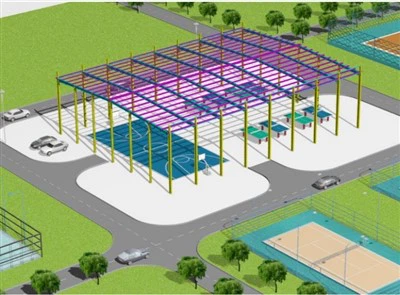
Painting a prefabricated steel building is not only a matter of aesthetics but also a crucial step in protecting the structure from corrosion and environmental damage. As a supplier of prefabricated steel buildings, I've witnessed firsthand the transformative power of a well - executed paint job. In this blog, I'll guide you through the process of painting a prefabricated steel building, from preparation to the final coat.
Why Paint a Prefabricated Steel Building?
Before delving into the painting process, it's essential to understand why painting is so important. Steel is susceptible to rust and corrosion when exposed to moisture and oxygen. A high - quality paint coating acts as a barrier, preventing these elements from reaching the steel surface. Additionally, a painted building can enhance the overall appearance of the structure, making it more visually appealing and potentially increasing its market value.
Step 1: Planning and Preparation
- Surface Inspection: Begin by thoroughly inspecting the steel surface. Look for signs of rust, dirt, grease, or any existing paint that may be peeling or chipping. Use a magnifying glass if necessary to detect small areas of corrosion.
- Gather Materials: You'll need a variety of materials for the painting project, including paint, primer, paintbrushes, rollers, sandpaper, a pressure washer, and safety equipment such as gloves, goggles, and a respirator. Make sure to choose a paint that is specifically formulated for steel and is suitable for the environmental conditions in your area.
- Choose the Right Paint: There are several types of paint available for steel buildings, such as epoxy, urethane, and acrylic. Epoxy paints offer excellent corrosion resistance and durability, making them a popular choice for industrial applications. Urethane paints provide a high - gloss finish and are resistant to abrasion and chemicals. Acrylic paints are more affordable and offer good weather resistance. Consider your budget, the intended use of the building, and the local climate when selecting the paint.
Step 2: Surface Preparation
- Clean the Surface: Use a pressure washer to remove dirt, dust, and loose paint from the steel surface. Start from the top of the building and work your way down, using a wide - angle nozzle to ensure even coverage. If there are stubborn stains or grease spots, you may need to use a degreaser or a mild detergent.
- Remove Rust: For areas with rust, use sandpaper or a wire brush to remove the rust until the surface is smooth and clean. You can also use a chemical rust converter to neutralize the rust and prevent further corrosion. Make sure to wear protective gloves and goggles when working with rust - removal products.
- Sand the Surface: After removing the rust, sand the entire surface of the steel building to create a rough texture that will help the primer and paint adhere better. Use medium - grit sandpaper for the initial sanding, followed by fine - grit sandpaper for a smooth finish.
- Prime the Surface: Applying a primer is an essential step in the painting process. A primer helps the paint adhere to the steel surface, provides additional corrosion protection, and improves the overall durability of the paint job. Choose a primer that is compatible with the paint you've selected and follow the manufacturer's instructions for application. Use a paintbrush or a roller to apply the primer evenly, working in small sections at a time. Allow the primer to dry completely before applying the paint.
Step 3: Painting the Building
- Choose the Right Application Method: You can apply paint to a prefabricated steel building using a paintbrush, a roller, or a spray gun. Paintbrushes are ideal for small areas and detailed work, while rollers are suitable for larger, flat surfaces. Spray guns offer the most even and professional finish, but they require more skill and equipment.
- Apply the Paint: Once the primer has dried, it's time to apply the paint. Stir the paint thoroughly before use to ensure a consistent color and texture. Start from the top of the building and work your way down, applying the paint in thin, even coats. Use long, smooth strokes with the paintbrush or roller to avoid drips and streaks. If using a spray gun, maintain a consistent distance from the surface and move the gun in a back - and - forth motion.
- Allow the Paint to Dry: After applying each coat of paint, allow it to dry completely before applying the next coat. The drying time will depend on the type of paint, the temperature, and the humidity. Follow the manufacturer's instructions for the recommended drying time between coats. In general, it's best to wait at least 24 hours between coats to ensure a proper bond.
- Apply Multiple Coats: For the best results, apply at least two coats of paint to the prefabricated steel building. Multiple coats will provide better coverage, durability, and protection against the elements. Make sure to allow each coat to dry completely before applying the next one.
Step 4: Finishing Touches
- Inspect the Paint Job: Once the final coat of paint has dried, inspect the building for any areas that may need touch - ups or additional paint. Look for drips, streaks, or uneven coverage, and use a paintbrush to correct any imperfections.
- Clean Up: After completing the painting project, clean your tools and equipment thoroughly. Store any leftover paint in a cool, dry place for future touch - ups.
- Maintain the Paint Job: To keep your prefabricated steel building looking its best, it's important to maintain the paint job. Regularly inspect the building for signs of damage or wear, and touch up any areas that may need attention. Clean the building periodically to remove dirt and debris, and avoid using abrasive cleaners that could damage the paint.
Benefits of Professional Painting Services
While painting a prefabricated steel building can be a DIY project, hiring a professional painting contractor has several advantages. Professional painters have the experience, skills, and equipment necessary to complete the job efficiently and to a high standard. They can also provide valuable advice on paint selection, surface preparation, and application techniques. Additionally, professional painters are often insured, which provides peace of mind in case of any accidents or damage during the painting process.


Conclusion
Painting a prefabricated steel building is a rewarding project that can enhance the appearance and durability of the structure. By following the steps outlined in this blog, you can ensure a successful paint job that will protect your building from corrosion and the elements for years to come. If you're in the market for a Prefab Metal Warehouse Building, a Prefabricated Steel Warehouse, or Light Gauge Steel Structures, our company can provide you with high - quality products and professional advice. Whether you're a business owner looking to expand your storage space or a contractor working on a construction project, we're here to help. Contact us today to discuss your needs and explore our range of prefabricated steel building solutions.
References
- "Painting Steel Structures: A Guide for Architects, Engineers, and Contractors" by the American Institute of Steel Construction
- "Steel Building Painting: Best Practices and Techniques" by the Steel Construction Educational Foundation
- Product manuals and technical data sheets from paint manufacturers