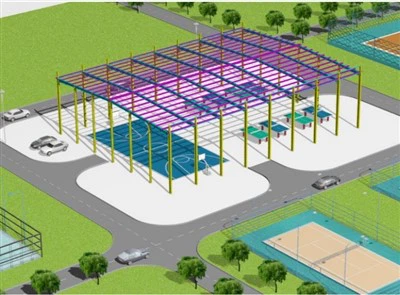
Ensuring the proper alignment of steel frames during the construction of modern steel frame buildings is a critical aspect that directly impacts the structural integrity, safety, and overall quality of the project. As a supplier of Modern Steel Frame Buildings, I understand the significance of this process and have accumulated valuable experience over the years. In this blog, I will share some key strategies and best practices to achieve accurate alignment in steel frame construction.
1. Precise Planning and Design
The foundation of proper steel frame alignment begins with meticulous planning and design. Before any construction work commences, it is essential to develop detailed architectural and structural plans that specify the exact dimensions, angles, and positions of each steel component. This includes columns, beams, braces, and connections.
- Advanced Modeling Software: Utilize state-of-the-art 3D modeling software to create a virtual representation of the entire building. This allows architects, engineers, and contractors to visualize the structure in detail, identify potential conflicts or alignment issues, and make necessary adjustments before construction begins. For example, software like Autodesk Revit and Tekla Structures enables accurate modeling of steel frames, taking into account factors such as load distribution, wind forces, and seismic activity.
- Site Analysis: Conduct a comprehensive site analysis to understand the topography, soil conditions, and existing structures. This information is crucial for determining the optimal foundation design and ensuring that the steel frames are properly supported. Uneven ground or poor soil conditions can cause settlement or shifting of the building, leading to misalignment of the steel frames. By analyzing the site early in the planning process, appropriate measures can be taken to mitigate these risks, such as installing deep foundations or soil stabilization techniques.
2. Quality Control of Steel Components
The quality of the steel components used in the construction plays a significant role in achieving proper alignment. It is essential to source high-quality steel from reputable suppliers and ensure that all components meet the required standards and specifications.
- Material Inspection: Conduct thorough inspections of the steel components upon delivery to the construction site. Check for any signs of damage, corrosion, or dimensional inaccuracies. This includes measuring the length, width, thickness, and straightness of the beams and columns, as well as the accuracy of the holes and connections. Any defective components should be rejected and replaced immediately to prevent alignment issues during installation.
- Fabrication Standards: Ensure that the steel components are fabricated in accordance with industry standards and best practices. This includes using precise cutting, welding, and assembly techniques to ensure that the components are of the correct size and shape. For example, the American Institute of Steel Construction (AISC) provides detailed guidelines for the fabrication of steel structures, including tolerances for dimensions, weld quality, and surface finish. By adhering to these standards, the risk of alignment problems due to fabrication errors can be minimized.
3. Accurate Installation Techniques
Proper installation techniques are crucial for ensuring the accurate alignment of steel frames. This requires skilled labor, appropriate equipment, and strict adherence to the installation procedures.


- Setting Out and Marking: Use precise surveying techniques to set out the position of the steel frames on the construction site. This involves establishing a reference grid and marking the locations of the columns, beams, and other components. Laser levels, total stations, and GPS technology can be used to ensure accurate positioning and alignment. Once the positions are marked, temporary supports or guides can be installed to hold the steel components in place during installation.
- Lifting and Erection: Use appropriate lifting equipment, such as cranes or forklifts, to lift and erect the steel components into position. Ensure that the lifting points are properly designed and located to prevent damage to the components and to maintain their balance during lifting. When erecting the columns, use plumb bobs or laser levels to ensure that they are vertical. Once the columns are in place, they can be braced temporarily to prevent them from swaying or shifting.
- Connection Installation: Pay close attention to the installation of the connections between the steel components. This includes welding, bolting, or riveting the beams and columns together. Ensure that the connections are properly aligned and tightened to the specified torque values. Loose or improperly installed connections can cause the steel frames to shift or become misaligned over time. For example, in bolted connections, it is important to use the correct size and type of bolts, and to torque them to the appropriate level to ensure a secure and rigid connection.
4. Monitoring and Adjustment
Throughout the construction process, it is important to monitor the alignment of the steel frames regularly and make any necessary adjustments. This helps to ensure that the structure remains in the correct position and that any minor alignment issues are corrected before they become major problems.
- Regular Inspections: Conduct regular inspections of the steel frames during and after installation. Use measuring tools, such as levels, plumb bobs, and theodolites, to check the alignment of the columns, beams, and connections. Inspect for any signs of movement, deflection, or misalignment, and take immediate action to correct them. For example, if a column is found to be out of plumb, it can be adjusted by shimming or using hydraulic jacks to bring it back into the correct position.
- Monitoring Systems: Install monitoring systems, such as strain gauges, inclinometers, and displacement sensors, to continuously monitor the behavior of the steel frames. These systems can provide real-time data on the structural performance of the building, including any changes in alignment or stress levels. By analyzing this data, engineers can detect potential alignment issues early and take proactive measures to prevent them from escalating.
5. Collaboration and Communication
Effective collaboration and communication among all stakeholders involved in the construction project are essential for ensuring the proper alignment of steel frames. This includes architects, engineers, contractors, suppliers, and subcontractors.
- Team Meetings: Hold regular team meetings to discuss the progress of the construction project, share information, and address any alignment issues or concerns. This allows for open communication and the exchange of ideas, which can help to identify and resolve problems quickly. For example, if a contractor encounters an alignment issue during installation, they can immediately inform the engineer and architect, who can then work together to develop a solution.
- Documentation: Maintain detailed documentation of all aspects of the construction process, including the installation of the steel frames. This includes as-built drawings, inspection reports, and test results. This documentation serves as a record of the construction process and can be used for future reference, quality control, and warranty purposes. It also helps to ensure that all stakeholders are aware of the alignment requirements and that the work is being carried out in accordance with the approved plans and specifications.
Conclusion
Ensuring the proper alignment of steel frames during the construction of modern steel frame buildings is a complex and challenging task that requires careful planning, quality control, accurate installation techniques, monitoring, and collaboration. By following the strategies and best practices outlined in this blog, construction professionals can minimize the risk of alignment issues and ensure the structural integrity and safety of the building.
As a supplier of Modern Steel Frame Buildings, we are committed to providing high-quality steel components and technical support to our customers. Our experienced team of engineers and technicians can assist with the design, fabrication, and installation of steel frames, ensuring that they are properly aligned and meet the highest standards of quality and safety.
If you are interested in learning more about our Prefab Steel Commercial Buildings Residential or Multi Storey Steel Structure Building solutions, or if you have any questions or concerns about the alignment of steel frames, please do not hesitate to contact us. We look forward to working with you on your next project.
References
- American Institute of Steel Construction (AISC). (2016). Specification for Structural Steel Buildings. Chicago, IL: AISC.
- Autodesk. (n.d.). Autodesk Revit. Retrieved from https://www.autodesk.com/products/revit/overview
- Tekla. (n.d.). Tekla Structures. Retrieved from https://www.tekla.com/products/tekla-structures