Hey there! I'm a supplier for steel workshops, and I know firsthand how crucial it is to ensure compliance with industry standards. In this blog, I'll share some tips and insights on how you can make sure your steel workshop meets all the necessary requirements.
Understanding Industry Standards
First things first, you need to have a clear understanding of the industry standards that apply to your steel workshop. These standards can vary depending on your location, the type of work you do, and the specific regulations in your area. Some common standards include those related to safety, quality, and environmental impact.
For example, in the United States, the Occupational Safety and Health Administration (OSHA) sets standards for workplace safety. These standards cover everything from personal protective equipment (PPE) to fire safety and electrical safety. You'll also need to comply with building codes and regulations, which ensure that your workshop is structurally sound and meets all the necessary requirements for occupancy.
Conducting Regular Inspections
One of the most important steps in ensuring compliance is to conduct regular inspections of your steel workshop. This includes both internal inspections by your own team and external inspections by regulatory agencies.
Internal inspections should be done on a regular basis, such as weekly or monthly. These inspections can help you identify any potential issues or areas of non - compliance before they become major problems. You can check things like equipment safety, housekeeping, and the condition of your steel structures.
External inspections are usually conducted by government agencies or third - party organizations. These inspections are more comprehensive and can result in citations or fines if you're found to be non - compliant. Make sure you're prepared for these inspections by keeping detailed records of your safety procedures, maintenance schedules, and any other relevant information.
Training Your Staff
Your staff is one of your most valuable assets when it comes to ensuring compliance. Make sure they're properly trained on all the relevant industry standards and safety procedures.
Provide regular training sessions on topics such as PPE use, hazard identification, and emergency response. Encourage your employees to ask questions and provide feedback, and make sure they understand the importance of compliance. You can also offer incentives for employees who demonstrate a commitment to safety and compliance.
Maintaining Equipment and Structures
Proper maintenance of your equipment and steel structures is essential for compliance. Regularly inspect and maintain your machinery, tools, and other equipment to ensure they're in good working condition. This includes things like lubricating moving parts, checking for wear and tear, and replacing any damaged components.
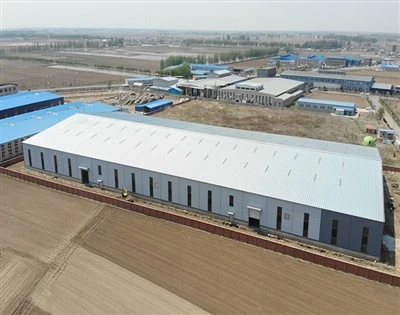
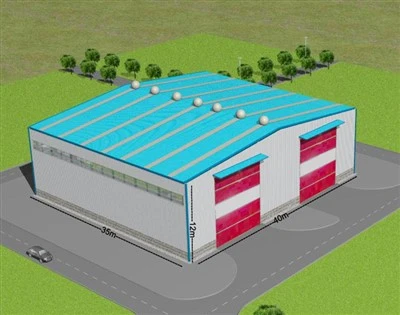
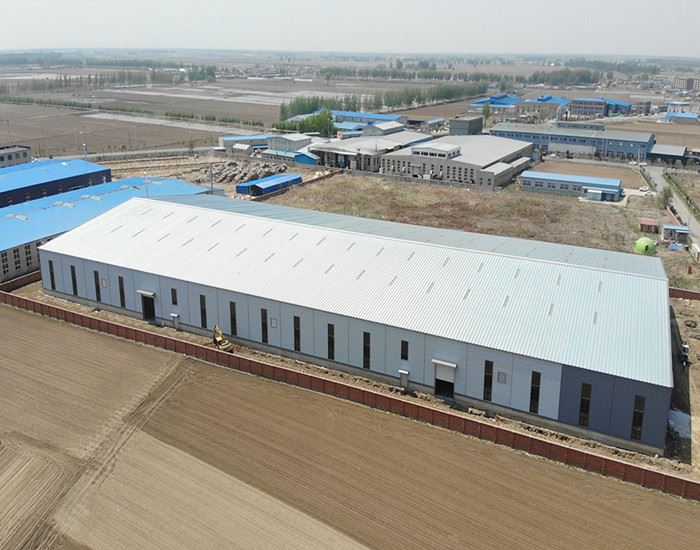
For your steel structures, such as Steel Structure Workshop, Pre Engineered Workshop, and Prefabricated Steel Workshop, make sure they're inspected for corrosion, structural integrity, and other issues. Follow the manufacturer's recommendations for maintenance and repair, and keep detailed records of all maintenance activities.

Keeping Records
Keeping accurate records is crucial for demonstrating compliance. This includes records of inspections, maintenance, training, and any incidents or accidents that occur in your workshop.
Maintain a log of all inspections, including the date, the inspector, and any findings or recommendations. Keep records of all maintenance activities, such as when equipment was serviced and what was done. Document all training sessions, including the topics covered, the attendees, and the dates of the training.
In the event of an incident or accident, make sure you have a detailed report that includes the date, time, location, and a description of what happened. This information can be used to identify any areas for improvement and to demonstrate your commitment to safety and compliance.
Staying Up - to - Date with Changes
Industry standards are constantly evolving, so it's important to stay up - to - date with any changes. Subscribe to industry newsletters, attend conferences and seminars, and follow regulatory agencies on social media to stay informed.
When new standards are introduced or existing standards are updated, make sure you review them carefully and make any necessary changes to your operations. This may include updating your safety procedures, purchasing new equipment, or providing additional training to your staff.
Working with a Reputable Supplier
As a steel workshop supplier, I know the importance of working with a reputable company. When you're sourcing your steel structures and equipment, make sure you choose a supplier that has a good reputation for quality and compliance.
A reputable supplier will be able to provide you with products that meet all the relevant industry standards and will offer support and guidance throughout the process. They'll also be able to help you with any questions or concerns you may have about compliance.
Conclusion
Ensuring the compliance of a steel workshop with industry standards is a complex but essential task. By understanding the standards, conducting regular inspections, training your staff, maintaining your equipment and structures, keeping records, staying up - to - date with changes, and working with a reputable supplier, you can help ensure that your workshop operates safely and efficiently.
If you're in the market for a steel workshop or need help with compliance, I'd love to talk to you. We can discuss your specific needs and how we can work together to meet all the necessary industry standards. Let's have a chat and see how we can make your steel workshop a success!
References
- Occupational Safety and Health Administration (OSHA) standards
- Local building codes and regulations
- Industry best practices and guidelines