Hey there! I'm a supplier of prefabricated hotel buildings, and today I wanna chat about how these nifty structures deal with ventilation. It's a crucial aspect that can make or break the comfort and safety of guests in a hotel.
First off, let's understand why ventilation is so important in prefabricated hotel buildings. Just like in any other building, proper ventilation helps to remove stale air, control humidity, and reduce the risk of airborne diseases. In a hotel setting, it also plays a big role in creating a pleasant and inviting atmosphere for guests.
One of the key advantages of prefabricated hotel buildings is that they can be designed with ventilation systems in mind from the start. Unlike traditional buildings, where ventilation systems are often added as an afterthought, prefabricated buildings can be engineered to optimize airflow and ensure efficient ventilation.
So, how do we achieve this? Well, there are several strategies and technologies that we use to deal with ventilation in prefabricated hotel buildings.
Natural Ventilation
Natural ventilation is a cost - effective and energy - efficient way to ventilate prefabricated hotel buildings. By designing the building layout to take advantage of natural airflow, we can bring in fresh air and expel stale air without relying too much on mechanical systems.
We can use features like operable windows, skylights, and vents to allow air to flow through the building. For example, placing windows on opposite sides of a room can create a cross - ventilation effect, where fresh air enters through one window and exits through the other. Skylights can also be used to draw warm air out of the building, as hot air rises.
In addition to these basic features, we can also use wind catchers and stack effect principles to enhance natural ventilation. Wind catchers are structures that are designed to capture the wind and direct it into the building. The stack effect, on the other hand, occurs when there is a difference in temperature between the inside and outside of the building. Warm air inside the building rises and exits through higher openings, while cooler air is drawn in through lower openings.
Mechanical Ventilation
While natural ventilation is great, it may not always be sufficient, especially in areas with extreme weather conditions or high occupancy levels. That's where mechanical ventilation systems come in.
Mechanical ventilation systems use fans and ducts to circulate air throughout the building. There are different types of mechanical ventilation systems that we can install in prefabricated hotel buildings, such as exhaust ventilation, supply ventilation, and balanced ventilation.
Exhaust ventilation systems work by removing stale air from the building. They typically consist of fans that are installed in areas where odors and pollutants are likely to accumulate, such as bathrooms and kitchens. The fans draw the stale air out of the building and expel it outside.
Supply ventilation systems, on the other hand, bring in fresh air from outside and distribute it throughout the building. These systems can be used to provide a constant supply of fresh air to rooms and common areas. They usually include filters to remove dust, pollen, and other contaminants from the incoming air.
Balanced ventilation systems combine the features of exhaust and supply ventilation. They ensure that the amount of air being brought into the building is equal to the amount of air being removed, which helps to maintain a stable indoor air pressure.
Energy Recovery Ventilation (ERV)
Energy recovery ventilation is a technology that can significantly improve the energy efficiency of ventilation systems in prefabricated hotel buildings. ERV systems work by transferring heat and moisture between the incoming and outgoing air streams.
When the outdoor air is cold, the ERV system can transfer heat from the warm, stale air being exhausted to the cold, fresh air being brought in. This reduces the amount of energy needed to heat the incoming air. Similarly, in hot and humid climates, the ERV system can transfer moisture from the incoming air to the outgoing air, helping to dehumidify the indoor air without using as much energy.
By using ERV systems in prefabricated hotel buildings, we can not only save on energy costs but also improve the comfort of guests by maintaining a more consistent indoor temperature and humidity level.
Air Filtration
Another important aspect of ventilation in prefabricated hotel buildings is air filtration. Air filters are used to remove contaminants such as dust, pollen, smoke, and bacteria from the air.
We can install different types of air filters in the ventilation systems of prefabricated hotel buildings, depending on the specific needs of the building and the preferences of the hotel owner. High - efficiency particulate air (HEPA) filters are some of the most effective filters available, as they can remove up to 99.97% of particles as small as 0.3 microns.
In addition to HEPA filters, we can also use activated carbon filters to remove odors and volatile organic compounds (VOCs) from the air. These filters are especially useful in areas such as hotel lobbies, restaurants, and conference rooms, where guests may be exposed to a variety of odors and pollutants.
Monitoring and Control
To ensure that the ventilation systems in prefabricated hotel buildings are working effectively, it's important to have a monitoring and control system in place. This system can be used to monitor the air quality, temperature, and humidity levels in different areas of the building and adjust the ventilation settings accordingly.
For example, if the air quality in a particular room drops below a certain level, the monitoring system can automatically increase the ventilation rate in that room. Similarly, if the temperature or humidity levels are too high or too low, the system can adjust the settings of the heating, ventilation, and air - conditioning (HVAC) system to maintain a comfortable environment.
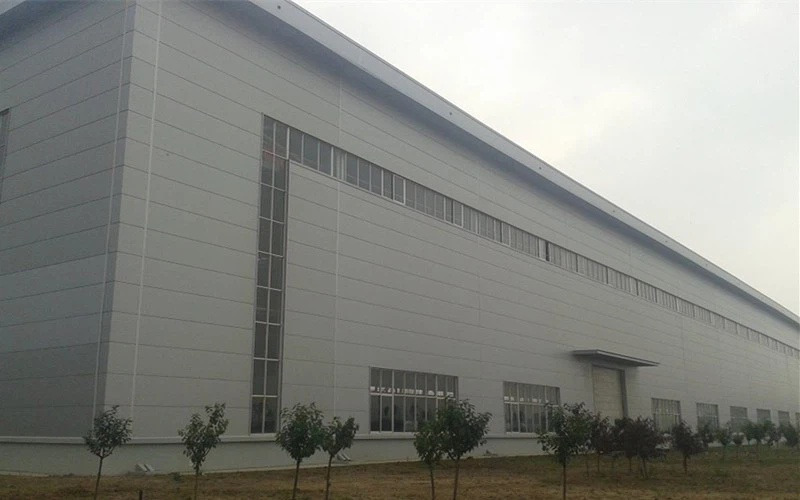

As a supplier of Modern Prefab Steel Buildings, we have extensive experience in designing and installing ventilation systems in Steel structure hotel. We understand the unique challenges and requirements of prefabricated hotel buildings and can provide customized ventilation solutions that meet the specific needs of each project.
If you're in the market for a prefabricated hotel building and want to learn more about how we can ensure proper ventilation, don't hesitate to reach out. We're here to help you create a comfortable, healthy, and energy - efficient hotel environment for your guests. Whether you have questions about natural ventilation, mechanical systems, or air filtration, we've got the expertise to guide you through the process.
References
- ASHRAE Handbook - HVAC Systems and Equipment. American Society of Heating, Refrigerating and Air - Conditioning Engineers.
- Building Ventilation Design Manual. National Institute of Building Sciences.
- Ventilation for Acceptable Indoor Air Quality. Environmental Protection Agency.