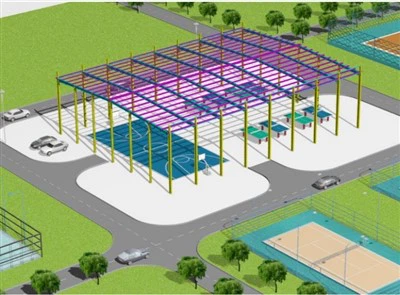
Hey there! I'm a supplier of Modern Prefab Steel Buildings, and today I wanna chat about how these bad boys perform in seismic areas. It's a topic that's super important, especially for folks living in places prone to earthquakes. So, let's dive right in!
The Basics of Modern Prefab Steel Buildings
First off, what are modern prefab steel buildings? Well, they're structures that are pre - fabricated in a factory and then assembled on - site. This method has a ton of advantages, like faster construction times and better quality control. Steel is the star of the show here. It's strong, durable, and can be shaped into all sorts of cool designs.
When it comes to seismic areas, steel has some unique properties that make it a great choice. Steel is ductile, which means it can bend and stretch without breaking under stress. This is crucial during an earthquake because the ground shakes and puts a lot of force on the building. A ductile material like steel can absorb that energy and redistribute it throughout the structure, reducing the risk of collapse.
How Steel Buildings Fare in Earthquakes
Let's talk about some real - world examples. In areas with high seismic activity, traditional buildings made of materials like brick or concrete often face a lot of damage. Bricks can crumble, and concrete can crack under the intense shaking. But steel buildings have a much better track record.
One of the key features of modern prefab steel buildings is their frame design. The steel frames are engineered to be flexible and resistant to lateral forces. They can sway with the earthquake rather than fighting against it. This is similar to how a tree bends in the wind instead of standing rigid and breaking.
Another advantage is the lightweight nature of steel. Compared to other building materials, steel weighs less. This means that there's less mass for the earthquake to act on. Less mass translates to less force being exerted on the building's foundation, reducing the risk of the building toppling over.
Design and Engineering for Seismic Resistance
Designing a prefab steel building for seismic areas isn't a one - size - fits - all approach. Engineers have to take into account a bunch of factors, like the local seismicity (how often and how strong the earthquakes are in the area), the soil conditions, and the intended use of the building.
For example, if the soil in an area is soft and loose, the building's foundation needs to be designed to handle the additional movement. Engineers might use deep piles or a raft foundation to anchor the building securely. They also use advanced computer modeling to simulate how the building will respond to different earthquake scenarios.
In addition to the foundation, the steel frame itself is designed with seismic resistance in mind. Special connectors and bracing systems are used to enhance the building's stability. These connectors are designed to allow for some movement while still keeping the structure intact.
Case Studies: Success Stories
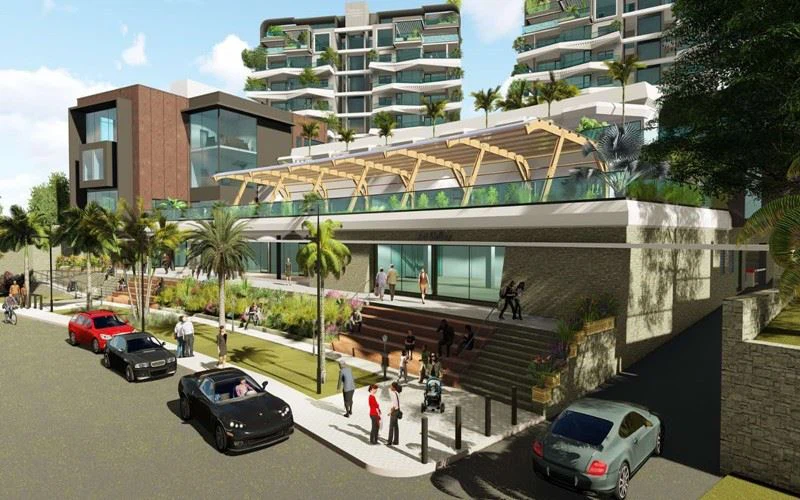
There are plenty of success stories out there that showcase the performance of modern prefab steel buildings in seismic areas. Take, for instance, some of the Steel structure hotel projects we've been involved in. These hotels are built to withstand the rigors of earthquakes and still provide a safe and comfortable environment for guests.
In one particular region with high seismic activity, a prefab steel hotel was able to remain standing after a significant earthquake. The building's steel frame absorbed the energy of the quake, and the flexible design prevented major structural damage. Guests were able to evacuate safely, and the hotel was back in operation relatively quickly after some minor repairs.
Maintenance and Long - Term Performance
Once a prefab steel building is up and running in a seismic area, maintenance is key. Regular inspections are necessary to check for any signs of wear and tear, especially after an earthquake. Small cracks or loose connections can be fixed before they turn into major problems.
The good news is that steel is a low - maintenance material. It doesn't rot, warp, or attract pests like some other building materials. A simple coat of paint can protect the steel from corrosion, ensuring its long - term durability.
Cost - Effectiveness in Seismic Areas
You might be thinking, "All this sounds great, but is it expensive?" Well, the initial cost of a prefab steel building might be a bit higher than some traditional building methods. However, when you consider the long - term benefits, it's actually a cost - effective choice.
In seismic areas, the reduced risk of damage means lower insurance premiums. And because steel buildings can be repaired more easily and quickly after an earthquake, the downtime and associated costs are minimized. Plus, the faster construction time of prefab steel buildings means that you can start using your building sooner, which can translate into earlier revenue generation.
Why Choose Our Modern Prefab Steel Buildings
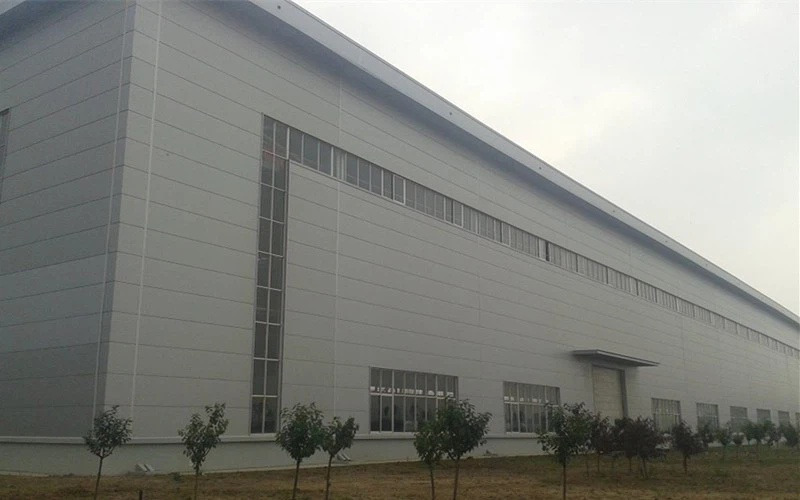
As a supplier of Modern Prefab Steel Buildings, we take pride in offering high - quality, seismic - resistant buildings. Our team of experienced engineers and designers work together to create buildings that meet the specific needs of each project.
We use the latest technology and materials to ensure that our buildings are not only strong but also energy - efficient and environmentally friendly. We understand the importance of safety, especially in seismic areas, and we go the extra mile to make sure our buildings can withstand the forces of nature.
Conclusion and Call to Action
In conclusion, modern prefab steel buildings are a great choice for seismic areas. Their ductility, lightweight nature, and flexible design make them well - suited to handle the challenges of earthquakes. With proper design, engineering, and maintenance, these buildings can provide a safe and reliable solution for a variety of applications.
If you're interested in learning more about our Modern Prefab Steel Buildings or have a project in a seismic area, don't hesitate to get in touch. We're here to help you make the right choice for your building needs. Whether it's a small office or a large Steel structure hotel, we've got the expertise and the products to get the job done right.
References
- "Seismic Design of Steel Structures" by T. Paulay and M. Priestley
- Journal of Structural Engineering articles on prefab steel building performance in earthquakes
- Case studies from the International Association for Earthquake Engineering