Hey there! I'm a supplier of steel warehouses, and I often get asked if there are any environmental regulations for steel warehouses. Well, let me tell you, it's a topic that's becoming more and more important these days.


First off, let's talk about why environmental regulations matter for steel warehouses. Steel production is a major industry, and it has a significant impact on the environment. From the extraction of raw materials to the manufacturing process and the end - of - life disposal, every step can have environmental consequences. That's why governments and environmental agencies around the world have put in place various regulations to minimize these impacts.
One of the key areas of environmental regulation for steel warehouses is energy efficiency. Steel warehouses are often large structures that require a lot of energy for lighting, heating, and cooling. To address this, many regulations focus on promoting energy - efficient design and technologies. For example, building codes may require the use of high - performance insulation materials to reduce heat loss in the winter and heat gain in the summer. This not only helps to lower energy consumption but also reduces greenhouse gas emissions.
Another important aspect is waste management. During the construction and operation of steel warehouses, there is a lot of waste generated, such as scrap metal, packaging materials, and construction debris. Environmental regulations require proper waste management practices, like recycling and proper disposal. Recycling scrap metal is not only good for the environment but can also be cost - effective. It reduces the need for new raw materials and saves energy in the production process.
Air quality is also a concern. The manufacturing of steel involves various processes that can release pollutants into the air, such as particulate matter, sulfur dioxide, and nitrogen oxides. Regulations are in place to limit these emissions. For steel warehouses, this may mean using pollution control devices, like filters and scrubbers, to reduce the amount of pollutants released into the atmosphere.
Water pollution is another area where regulations come into play. Steel production and the operation of steel warehouses can generate wastewater that contains heavy metals and other contaminants. Environmental regulations require proper treatment of this wastewater before it is discharged into water bodies. This helps to protect aquatic ecosystems and ensure the safety of drinking water sources.
Now, let's talk about some of the benefits of complying with these environmental regulations. For one, it can enhance the reputation of your steel warehouse. In today's market, customers are increasingly concerned about the environmental impact of the products and services they use. By showing that your steel warehouse is environmentally responsible, you can attract more customers and gain a competitive edge.
Compliance with environmental regulations can also lead to cost savings in the long run. Energy - efficient designs and technologies can reduce energy bills, and proper waste management can lower disposal costs. Additionally, some governments offer incentives, such as tax breaks or grants, for businesses that meet certain environmental standards.
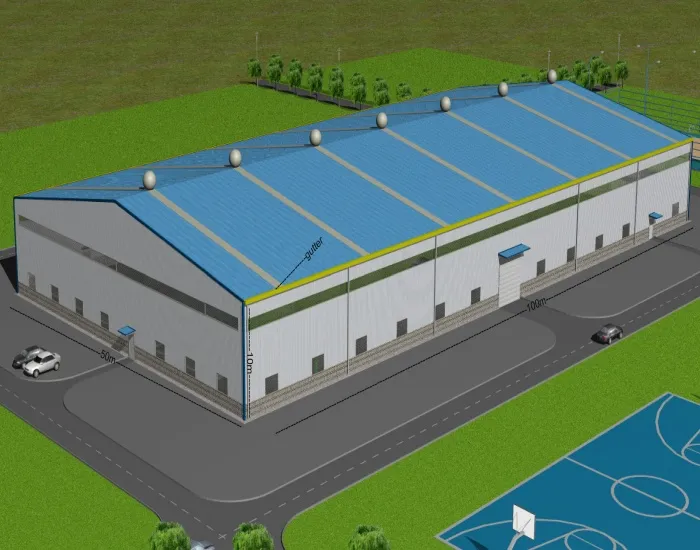
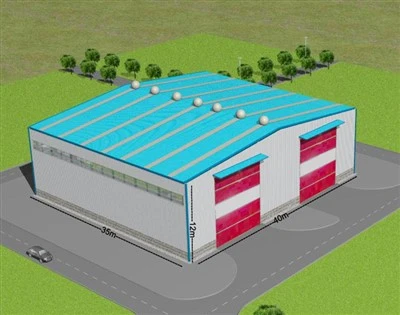
As a steel warehouse supplier, I offer a range of options that are designed to meet environmental regulations. For example, we have Prefabricated Metal Warehouse solutions that are not only durable but also energy - efficient. These prefabricated warehouses are built off - site, which reduces construction waste and allows for better quality control.
We also have Pre Engineered Warehouse options. These warehouses are designed to be highly customizable and can incorporate energy - saving features, such as solar panels and efficient ventilation systems.
Our Prefabricated Steel Warehouse offerings are another great choice. They are made from high - quality steel and can be built quickly, minimizing the environmental impact of the construction process.
If you're in the market for a steel warehouse and are concerned about environmental regulations, don't hesitate to reach out. We can work with you to design and build a warehouse that meets your specific needs while also complying with all relevant environmental standards. Whether you're a small business looking for a compact storage solution or a large corporation in need of a massive distribution center, we've got you covered.
In conclusion, environmental regulations for steel warehouses are an important part of the industry. They help to protect the environment, reduce costs, and enhance the reputation of your business. As a supplier, I'm committed to providing solutions that not only meet these regulations but also exceed your expectations. So, if you're interested in learning more about our steel warehouse options, feel free to get in touch and let's start a conversation about your project.
References:
- Environmental Protection Agency (EPA) reports on industrial emissions and waste management.
- Building codes and regulations related to energy efficiency in commercial buildings.
- Industry research on the environmental impact of steel production and warehouse operations.