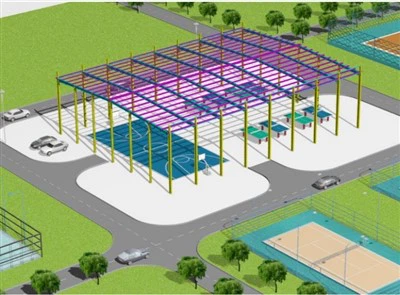
As a supplier of prefabricated sheds, I often encounter questions from potential customers about the durability of these structures. It's a valid concern, as durability directly impacts the long - term value and functionality of the shed. In this blog, I'll delve into the factors that contribute to the durability of prefabricated sheds and provide you with a comprehensive understanding of their long - term performance.
Material Quality
One of the most critical aspects of a prefabricated shed's durability is the quality of the materials used in its construction. At our company, we use high - grade steel for our Prefab Metal Storage Buildings. Steel is known for its strength, resistance to corrosion, and ability to withstand harsh weather conditions.
High - quality steel is treated with anti - corrosion coatings, such as galvanization. Galvanized steel has a layer of zinc that protects the underlying metal from rust and corrosion. This is especially important in areas with high humidity, coastal regions where saltwater can accelerate corrosion, or industrial areas with high levels of pollution.
In addition to steel, other materials like reinforced concrete floors can be incorporated into prefabricated sheds. Concrete provides a stable and durable foundation, which is essential for the overall integrity of the structure. It can support heavy loads, resist wear and tear, and is fire - resistant, adding another layer of safety and durability to the shed.
Structural Design
The design of a prefabricated shed plays a crucial role in its durability. Our engineers use advanced computer - aided design (CAD) software to create structures that are optimized for strength and stability. The frame design is engineered to distribute the load evenly across the structure, reducing stress points that could lead to premature failure.
For example, the truss design in our Industrial Shed Warehouse is carefully calculated to withstand heavy snow loads, high winds, and seismic activity. Triangular trusses are commonly used because they are inherently stable and can efficiently transfer loads to the foundation.
Moreover, the connection points in the shed's structure are designed to be strong and reliable. Bolts, welds, and other fasteners are selected based on their strength and ability to resist shear and tensile forces. Properly designed connections ensure that the shed remains intact even under extreme conditions.
Manufacturing and Assembly Process
The manufacturing process of prefabricated sheds is highly controlled, which contributes to their durability. At our state - of - the - art manufacturing facilities, we use precision machinery to cut, shape, and assemble the components. This ensures that each part meets strict quality standards and fits together perfectly during the assembly process.


Quality control measures are in place at every stage of manufacturing. From the inspection of raw materials to the final testing of the assembled shed, we ensure that every product meets or exceeds industry standards. This attention to detail means that the shed is built to last from the very beginning.
During the assembly process, our experienced technicians follow a set of standardized procedures. They ensure that the shed is properly erected, the connections are tightened to the correct torque, and all components are installed in the right position. This professional installation is crucial for the long - term durability of the shed, as improper installation can lead to structural issues over time.
Maintenance Requirements
While prefabricated sheds are designed to be durable, proper maintenance is still necessary to ensure their long - term performance. Fortunately, the maintenance requirements for prefabricated sheds are relatively low compared to traditional construction methods.
Regular inspections are recommended to check for any signs of damage, such as corrosion, loose fasteners, or structural deformations. If any issues are detected early, they can be easily repaired, preventing them from escalating into more significant problems.
For the steel components, periodic repainting or recoating may be required to maintain the anti - corrosion protection. This is especially important in areas with harsh environmental conditions. Cleaning the shed regularly to remove dirt, debris, and other contaminants can also help prevent damage and extend its lifespan.
Real - World Performance
To further illustrate the durability of prefabricated sheds, let's look at some real - world examples. Many of our customers have reported that their prefabricated sheds have withstood severe weather events, including hurricanes, heavy snowfalls, and strong winds, without significant damage.
In regions prone to earthquakes, our Portable Steel Structure Prefabricated Shed has proven to be a reliable option. The flexible steel structure can absorb and dissipate seismic energy, reducing the risk of collapse.
Some of our customers have been using their prefabricated sheds for decades, and with proper maintenance, these structures are still in excellent condition. This long - term performance is a testament to the durability of prefabricated sheds.
Conclusion
In conclusion, prefabricated sheds are highly durable structures. The combination of high - quality materials, well - designed structures, precise manufacturing and assembly processes, and relatively low maintenance requirements make them a reliable choice for various applications.
Whether you need a Prefab Metal Storage Buildings for storing equipment, an Industrial Shed Warehouse for industrial operations, or a Portable Steel Structure Prefabricated Shed for temporary or mobile use, you can trust that our prefabricated sheds will meet your needs and last for many years.
If you are considering purchasing a prefabricated shed, we encourage you to contact us for more information. Our team of experts can provide you with detailed specifications, pricing, and answer any questions you may have. We look forward to working with you to find the perfect prefabricated shed solution for your business.
References
- "Steel Construction Manual", American Institute of Steel Construction.
- "Building Design and Construction Handbook", McGraw - Hill Professional.
- Industry reports on prefabricated building durability and performance.