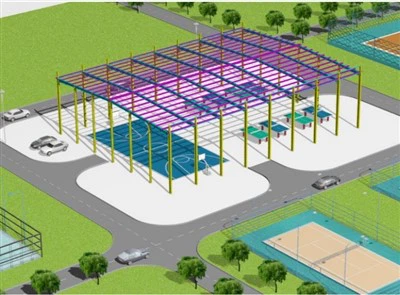
In the realm of modern construction, prefabricated steel warehouses have emerged as a popular choice for various industries. Their versatility, durability, and cost - effectiveness make them a go - to option for businesses looking to store goods, conduct operations, or even house livestock. One aspect that is often overlooked but is of significant importance is the noise - reduction ability of these prefabricated steel warehouses. As a prefabricated steel warehouse supplier, I am here to delve into this topic and shed light on what makes these structures effective in reducing noise.


Understanding Noise in a Warehouse Environment
Before we discuss the noise - reduction ability of prefabricated steel warehouses, it's essential to understand the types of noise that can be present in a warehouse. There are several sources of noise, including machinery operation, forklift movements, and the movement of goods. These noises can be not only a nuisance but also a potential hazard to workers' health in the long run. Excessive noise can lead to hearing loss, stress, and reduced productivity.
Factors Affecting Noise Reduction in Prefabricated Steel Warehouses
Steel Structure Design
The design of the steel structure plays a crucial role in noise reduction. A well - designed prefabricated steel warehouse can minimize the transmission of noise both from the outside to the inside and vice versa. For example, a structure with proper insulation can act as a barrier against external noise sources such as traffic or nearby industrial activities. Steel frames can be engineered to dampen vibrations, which are often the primary cause of noise transmission.
Insulation Materials
Insulation is one of the most significant factors in noise reduction. High - quality insulation materials can absorb sound waves and prevent them from passing through the walls and roof of the warehouse. Common insulation materials used in prefabricated steel warehouses include fiberglass, mineral wool, and foam. These materials have excellent sound - absorbing properties, which can significantly reduce the overall noise level inside the warehouse.
Sealing and Weatherstripping
Proper sealing and weatherstripping are essential for noise reduction. Gaps and cracks in the structure can allow noise to leak in or out. By ensuring that all joints, windows, and doors are properly sealed, we can create a more sound - proof environment. This not only helps in reducing noise but also improves the energy efficiency of the warehouse.
Noise Reduction Benefits of Prefabricated Steel Warehouses
Protecting Workers' Health
As mentioned earlier, excessive noise can have a detrimental effect on workers' health. By reducing the noise level inside the warehouse, we can protect workers from the risk of hearing loss and other health problems associated with noise exposure. This is not only a moral obligation but also a legal requirement in many countries.
Improving Productivity
A quieter working environment can lead to increased productivity. Workers can focus better on their tasks without being distracted by excessive noise. This can result in higher quality work and more efficient operations.
Meeting Community Standards
In some areas, there are strict noise regulations that businesses need to comply with. A prefabricated steel warehouse with good noise - reduction capabilities can help businesses meet these standards and avoid potential fines or legal issues.
Examples of Applications
Steel Structure Cow Shed
In the agricultural sector, steel structure cow sheds are an excellent example of prefabricated steel buildings. These structures need to provide a quiet and comfortable environment for the livestock. By using proper insulation and design, we can reduce the noise from outside sources such as wind and rain, creating a more peaceful environment for the cows.
Industrial Warehouse Building
Industrial warehouses often house heavy machinery and equipment, which can generate a significant amount of noise. A well - designed prefabricated steel warehouse can reduce the noise from these sources, protecting the workers and minimizing the impact on the surrounding environment.
Shopping Mall Construction
In the commercial sector, shopping mall construction using prefabricated steel can benefit from noise - reduction features. A quiet shopping environment can enhance the shopping experience for customers, making them more likely to stay longer and make purchases.
Testing and Certification
To ensure that a prefabricated steel warehouse meets the required noise - reduction standards, it is essential to conduct proper testing. There are various testing methods available, such as sound transmission class (STC) testing. This test measures the ability of a material or structure to block sound. A higher STC rating indicates better noise - reduction performance. Certifications can also provide assurance to customers that the warehouse meets the necessary quality and safety standards.
How Our Company Ensures Noise Reduction
As a prefabricated steel warehouse supplier, we take noise reduction seriously. We use high - quality insulation materials and advanced design techniques to ensure that our warehouses have excellent noise - reduction capabilities. Our team of engineers works closely with customers to understand their specific needs and design a warehouse that meets their requirements. We also conduct regular quality checks to ensure that all our products meet the highest standards.
Conclusion
The noise - reduction ability of a prefabricated steel warehouse is a crucial aspect that should not be overlooked. It can have a significant impact on the health and productivity of workers, as well as the overall operation of the business. By using proper design, insulation, and sealing techniques, we can create a quieter and more comfortable environment. If you are considering purchasing a prefabricated steel warehouse and have questions about its noise - reduction capabilities, we encourage you to contact us for a detailed discussion. We are committed to providing high - quality products and services to meet your needs.
References
- ASHRAE Handbook - Fundamentals. American Society of Heating, Refrigerating and Air - Conditioning Engineers.
- Building Acoustics: Noise and Vibration Control. David A. Bies, Colin H. Hansen.