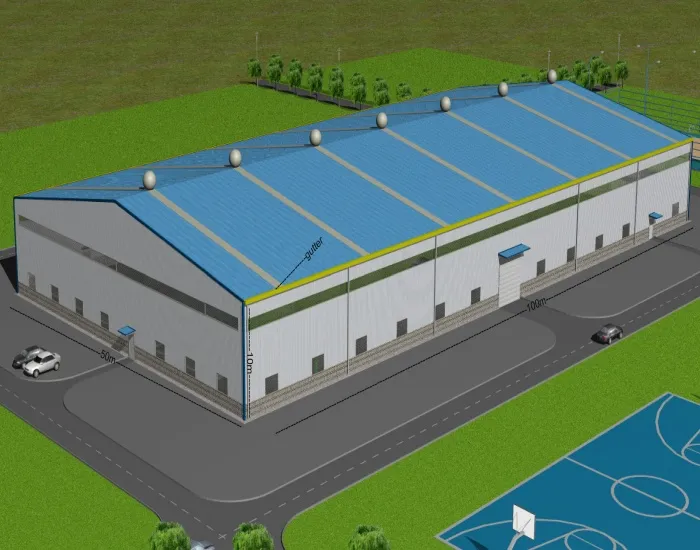
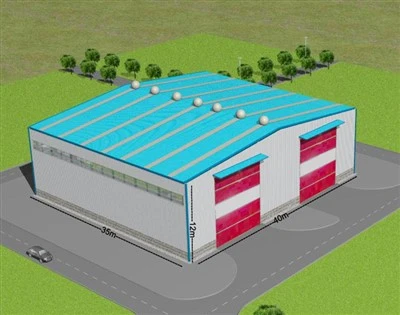
As a supplier of steel aircraft hangars, I often get asked about the costs associated with operating these structures. Understanding these costs is crucial for anyone looking to invest in a steel aircraft hangar, whether for personal use, a small aviation business, or a large commercial operation. In this blog, I'll break down the various factors that contribute to the cost of operating a steel aircraft hangar.
Initial Construction Costs
The first and most obvious cost is the construction of the hangar itself. The price of a Steel Structure Hangar can vary widely depending on several factors. Size is a major determinant; larger hangars require more materials and labor, thus increasing the cost. A small hangar for a single - engine plane might cost significantly less than a large hangar capable of housing multiple large aircraft.
The complexity of the design also plays a role. A simple, rectangular hangar will generally be less expensive than one with custom features such as curved walls, multiple levels, or unique door systems. The quality of the steel used is another factor. High - grade steel, which offers better durability and resistance to corrosion, will cost more than lower - grade alternatives.
Additionally, site preparation costs need to be considered. This includes clearing the land, leveling the ground, and installing a proper foundation. If the site has challenging terrain or soil conditions, the cost of site preparation can increase substantially.
Maintenance Costs
Once the hangar is built, ongoing maintenance is necessary to ensure its longevity and functionality. Regular inspections of the steel structure are essential. This involves checking for signs of corrosion, especially in areas exposed to harsh weather conditions or chemicals. Corrosion can weaken the steel over time, so it's important to address it promptly.
Painting the hangar periodically is also a part of maintenance. A fresh coat of paint not only enhances the appearance of the hangar but also provides an additional layer of protection against corrosion. The cost of painting depends on the size of the hangar and the type of paint used.
Door maintenance is another significant expense. Aircraft hangar doors are large and heavy, and they need to operate smoothly for easy access. Regular lubrication, inspection of the tracks, and replacement of worn - out parts are required to keep the doors in good working condition.
Utility Costs
Utility costs are a major part of the operating expenses for a steel aircraft hangar. Heating and cooling are essential, especially in regions with extreme temperatures. In cold climates, a heating system is needed to prevent the aircraft from being damaged by freezing temperatures. In hot climates, air - conditioning may be necessary to maintain a comfortable working environment and protect sensitive equipment.
The cost of heating and cooling depends on the size of the hangar, the insulation quality, and the local energy rates. Well - insulated hangars can significantly reduce energy consumption and, therefore, utility costs.
Lighting is another utility expense. Adequate lighting is required for safe aircraft operations, maintenance, and inspections. LED lighting is a popular choice for aircraft hangars due to its energy efficiency and long lifespan. However, the initial cost of installing LED lighting can be relatively high, but it pays off in the long run through reduced energy consumption.
Insurance Costs
Insurance is a necessary expense for any aircraft hangar. The cost of insurance depends on several factors, including the value of the hangar, the type of aircraft stored inside, and the location of the hangar. Hangars located in areas prone to natural disasters such as hurricanes, earthquakes, or floods may have higher insurance premiums.
The insurance policy should cover not only the physical structure of the hangar but also the aircraft and any equipment stored inside. It's important to work with an experienced insurance agent who understands the specific needs of aircraft hangars to ensure adequate coverage.
Operational Costs
There are also operational costs associated with running a steel aircraft hangar. This includes the cost of security systems, such as surveillance cameras and access control systems. These systems are essential for protecting the aircraft and other valuable assets stored in the hangar.
Staffing costs may also be a factor, especially for larger hangars that require full - time employees for maintenance, security, and operations. The salary and benefits of these employees need to be factored into the overall operating cost.
Comparison with Other Types of Hangars
When considering the cost of operating a steel aircraft hangar, it's useful to compare it with other types of hangars, such as Prefabricated Aircraft Hangar. Prefabricated hangars are often less expensive to construct initially because they are built in a factory and then assembled on - site. However, the long - term operating costs may be similar, as they still require maintenance, utilities, insurance, and operational expenses.
Wooden hangars, on the other hand, may have a lower initial construction cost in some cases, but they require more maintenance due to the susceptibility of wood to rot, pests, and fire. The cost of maintaining a wooden hangar over time can be higher than that of a steel hangar.
Strategies to Reduce Operating Costs
There are several strategies that can be employed to reduce the operating costs of a steel aircraft hangar. One of the most effective ways is to invest in high - quality insulation. Good insulation can significantly reduce heating and cooling costs by minimizing heat transfer between the inside and outside of the hangar.


Using energy - efficient equipment, such as LED lighting and high - efficiency heating and cooling systems, can also lead to long - term savings. Regular maintenance and prompt repairs can prevent small problems from turning into major and costly issues.
Negotiating favorable insurance rates by working with a knowledgeable insurance agent and implementing security measures can also help reduce insurance costs.
Conclusion
The cost of operating a steel aircraft hangar is influenced by a variety of factors, including initial construction, maintenance, utilities, insurance, and operational expenses. While the upfront cost of building a steel hangar may be significant, its durability, low maintenance requirements, and energy - efficiency can make it a cost - effective choice in the long run.
If you're considering investing in a steel aircraft hangar, it's important to carefully evaluate all the costs involved and develop a comprehensive budget. As a supplier of steel aircraft hangars, I'm here to help you understand these costs and make an informed decision. If you have any questions or would like to discuss your specific needs, feel free to reach out to me for a detailed consultation. We can work together to find the best solution for your aviation hangar requirements.
References
- "Aviation Hangar Design and Construction Handbook"
- Industry reports on steel building construction and maintenance costs
- Insurance industry guidelines for aircraft hangars