Landscaping is an integral part of commercial building design, playing a crucial role in enhancing the overall appeal, functionality, and sustainability of the property. As a commercial buildings supplier, I understand the significance of well - planned landscaping in attracting customers, creating a pleasant environment, and increasing the value of the commercial space. In this blog, I will discuss the key landscaping requirements for a commercial building.
Aesthetic Appeal
One of the primary goals of landscaping for a commercial building is to create an aesthetically pleasing environment. The exterior of the building is often the first thing that potential customers, clients, or tenants notice. A beautiful and well - maintained landscape can make a positive first impression, which is essential for businesses.
- Plant Selection: Choose a variety of plants that are suitable for the local climate and soil conditions. Consider using a mix of trees, shrubs, flowers, and groundcovers. For example, evergreen trees can provide year - round greenery, while seasonal flowers can add color and interest throughout the year. Native plants are often a great choice as they are adapted to the local environment, require less water and maintenance, and can attract local wildlife.
- Color Scheme: Develop a color scheme for the landscape that complements the architecture of the commercial building. For instance, if the building has a modern, minimalist design, a landscape with neutral tones and simple geometric plantings may be appropriate. On the other hand, a more traditional building may pair well with a landscape featuring a wider range of colors and more elaborate plant arrangements.
- Hardscaping: Incorporate hardscaping elements such as walkways, patios, and retaining walls. These elements not only add functionality but also contribute to the overall aesthetic. Use high - quality materials like stone, concrete, or brick to ensure durability and a professional look.
Functionality
Landscaping should not only look good but also serve a practical purpose. A well - designed landscape can improve the functionality of the commercial building in several ways.
- Traffic Flow: Design the landscape to guide the movement of people around the building. Clearly marked walkways should lead from parking areas to the building entrances. Consider creating separate pedestrian and vehicle paths to enhance safety. For example, a wide, well - lit sidewalk can encourage foot traffic, while a well - designed driveway can ensure smooth vehicle flow.
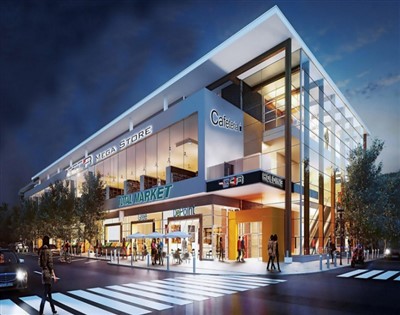
- Outdoor Seating and Gathering Areas: Provide outdoor seating areas where customers or employees can relax, have a meal, or hold meetings. These areas can be enhanced with shade structures, such as pergolas or umbrellas, and comfortable seating options. For a Prefabricated Shopping Mall, outdoor seating can be a great place for shoppers to take a break and socialize, increasing the time they spend on the property.
- Parking Lot Landscaping: Landscaping in and around parking lots can improve the overall experience for drivers. Planting trees and shrubs can provide shade, reducing the heat inside vehicles during hot weather. Additionally, well - designed parking lot landscaping can help to break up the expanse of concrete, making the area more visually appealing.
Sustainability
In today's environmentally conscious world, sustainability is a key consideration in commercial building landscaping.
- Water Conservation: Implement water - saving techniques such as drip irrigation systems, which deliver water directly to the roots of plants, reducing waste. Use drought - tolerant plants that require less water. Rainwater harvesting systems can also be installed to collect and reuse rainwater for irrigation purposes.
- Energy Efficiency: Strategically plant trees and shrubs to provide shade for the building. This can reduce the need for air - conditioning during the summer months, resulting in energy savings. Deciduous trees are particularly effective as they shed their leaves in the winter, allowing sunlight to warm the building.
- Green Roofs and Walls: Consider incorporating green roofs or walls into the commercial building design. Green roofs can provide insulation, reduce stormwater runoff, and improve air quality. Green walls can add a vertical element of greenery to the building facade, enhancing its aesthetic appeal and environmental performance.
Maintenance
Proper maintenance is essential to keep the landscape looking its best and functioning properly.

- Regular Pruning and Trimming: Prune trees and shrubs regularly to maintain their shape, remove dead or diseased branches, and promote healthy growth. This not only enhances the appearance of the landscape but also reduces the risk of falling branches, which can be a safety hazard.
- Weed Control: Implement a weed control program to prevent weeds from overtaking the landscape. This can include manual weeding, the use of herbicides, or the installation of mulch to suppress weed growth.
- Irrigation System Maintenance: Check and maintain the irrigation system regularly to ensure it is working efficiently. This includes inspecting for leaks, adjusting sprinkler heads, and ensuring proper water pressure.
Safety and Security
Landscaping can also contribute to the safety and security of a commercial building.
- Visibility: Ensure that the landscape does not obstruct the view of the building entrances, parking areas, or security cameras. Trim trees and shrubs to maintain clear sightlines, which can help to deter criminal activity.
- Lighting: Install appropriate lighting in the landscape to illuminate walkways, parking areas, and building entrances. Well - lit areas not only enhance safety but also make the building more inviting at night.
- Fire - Resistant Landscaping: In areas prone to wildfires, choose fire - resistant plants and design the landscape to create firebreaks. This can help to protect the commercial building from the threat of wildfires.
Compliance with Regulations
When planning the landscaping for a commercial building, it is important to comply with local regulations and codes.
- Zoning Requirements: Check the local zoning laws to ensure that the proposed landscape design meets all the requirements. This may include setbacks, height restrictions, and the use of certain types of plants.
- Environmental Regulations: Comply with environmental regulations related to water use, pesticide application, and the protection of native species. Obtain any necessary permits before starting the landscaping project.
Integration with the Building Design
The landscape should be integrated seamlessly with the design of the commercial building.
- Architectural Style: The landscape design should complement the architectural style of the building. For example, a contemporary building may be paired with a modern, minimalist landscape, while a historic building may require a more traditional landscape design.
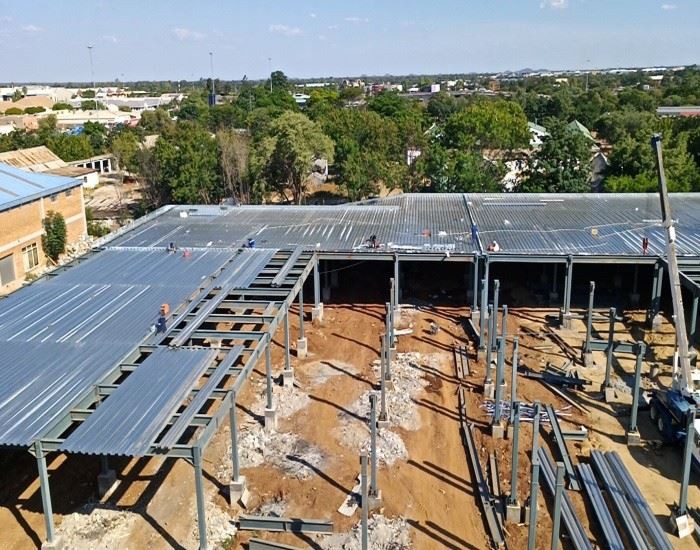
- Function and Use: Consider the function and use of the building when designing the landscape. For a Steel Parking Building, the landscape may focus on providing shade and visual interest for drivers. For a Shopping Mall Construction, the landscape should be designed to attract shoppers and create a pleasant shopping environment.
Cost - Effectiveness
Finally, it is important to consider the cost - effectiveness of the landscaping project.
- Initial Investment: Plan the landscape design carefully to ensure that the initial investment is within the budget. Choose plants and materials that are cost - effective without sacrificing quality.
- Long - Term Maintenance Costs: Consider the long - term maintenance costs of the landscape. Choose plants that are low - maintenance and require less water, fertilizer, and pesticides. This can help to reduce the overall cost of maintaining the landscape over time.
In conclusion, landscaping is a vital aspect of commercial building design. By considering aesthetic appeal, functionality, sustainability, maintenance, safety, compliance, integration, and cost - effectiveness, a well - designed landscape can enhance the value and success of a commercial building. If you are planning a commercial building project and need assistance with landscaping, we are here to help. Our team of experts can work with you to create a landscape that meets your specific needs and requirements. Contact us to start the conversation about your commercial building landscaping project.
References
- Designing Commercial Landscapes: Principles and Practices by John Doe
- Sustainable Landscaping for Commercial Buildings by Jane Smith
- Landscape Architecture for Commercial Properties: A Guide by Robert Johnson