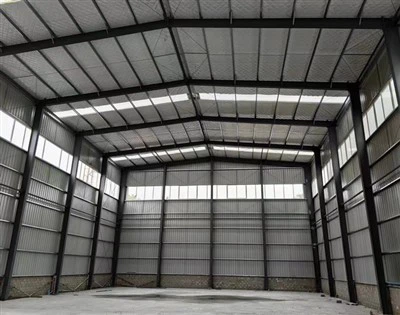
Hey there! As a supplier of Steel structure hotel, I've seen firsthand the importance of energy-efficient heating and cooling systems in a steel structure hotel. Steel buildings offer a great deal of flexibility and durability, but they also come with unique challenges when it comes to temperature control. In this blog, I'll share some of the top energy-efficient options that can make your steel hotel not only comfortable for guests but also easy on the pocket in terms of energy bills.
Why Energy Efficiency Matters in a Steel Structure Hotel
First off, let's talk about why energy efficiency is such a big deal. Steel conducts heat better than other building materials. That means in the summer, your hotel can get like an oven, and in the winter, it can turn into a freezer. Inefficient heating and cooling systems will run constantly to try to keep the right temperature, driving up your energy costs. And let's not forget about the environmental impact. With the increasing focus on sustainability, having an energy-efficient hotel can also boost your reputation, attracting eco-conscious travelers.


Geothermal Heat Pumps
One of the most efficient options out there is geothermal heat pumps. They work by taking advantage of the relatively stable temperature underground. In the winter, the system extracts heat from the ground and transfers it into the hotel. In the summer, it does the opposite, removing heat from the building and putting it back into the ground.
I know what you're thinking - this sounds pretty high-tech and maybe expensive. While the initial installation cost can be a bit steep, the long-term savings are huge. Once it's up and running, a geothermal heat pump can reduce your energy consumption for heating and cooling by up to 50%. Plus, these systems are super reliable and have a long lifespan, often lasting 25 years or more for the indoor components and up to 50 years for the underground loop system.
High-Efficiency Mini-Split Systems
If you're looking for a more flexible option, high-efficiency mini-split systems are a great choice. These systems consist of an outdoor compressor and one or more indoor air - handling units. The indoor units can be installed in different rooms or areas of the hotel, allowing for zoned heating and cooling.
What's cool about mini-splits is that you can control the temperature in each zone independently. For example, if a particular wing of the hotel has fewer guests, you can set the temperature a bit higher in the summer or lower in the winter, saving energy. They also have a high SEER (Seasonal Energy Efficiency Ratio), which means they use less electricity to produce the same amount of cooling or heating compared to traditional HVAC systems.
Radiant Heating Systems
For the heating side of things, radiant heating systems are worth considering. There are two main types: hydronic (water - based) and electric. In a steel structure hotel, hydronic radiant heating can be a great option. Pipes are installed in the floor, and hot water circulates through them, radiating heat up into the room.
The beauty of radiant heating is that it's incredibly efficient. Since heat rises from the floor, it creates a more even and comfortable temperature throughout the room. There are no drafts like you might get with a forced - air system. It also doesn't require a large ductwork system, which can save space and reduce energy losses.
Evaporative Coolers
In dry climates, evaporative coolers can be a very cost - effective way to cool a steel structure hotel. These coolers work by using the evaporation of water to cool the air. As hot, dry air is drawn through a wet pad, the water evaporates, cooling the air before it's circulated into the building.
Evaporative coolers use significantly less electricity than traditional air conditioners. They're also relatively simple in design, which means they're easier to maintain. However, they're most effective in areas with low humidity. If your hotel is located in a humid climate, they might not be the best option.
Energy Recovery Ventilators (ERVs)
ERVs are often overlooked but are an important part of an energy - efficient heating and cooling system. These devices exchange the stale indoor air with fresh outdoor air while recovering the heat or coolness from the outgoing air.
In the winter, an ERV can pre - heat the incoming cold air using the heat from the outgoing warm air. In the summer, it can pre - cool the incoming hot air using the coolness from the outgoing air. This reduces the load on your heating and cooling systems, saving energy and improving indoor air quality.
Considerations for Installation
When choosing an energy - efficient heating and cooling system for your Modern Prefab Steel Buildings, there are a few things to keep in mind. First, the size of the system is crucial. An oversized system will cycle on and off too frequently, wasting energy, while an undersized system won't be able to keep the hotel comfortable. A professional HVAC contractor can perform a load calculation to determine the right size for your hotel.
Also, proper insulation is key. Even the most efficient heating and cooling system won't work well if your hotel isn't properly insulated. Make sure to insulate the walls, roof, and floors to prevent heat transfer.
Conclusion
Investing in an energy - efficient heating and cooling system for your steel structure hotel is a smart move. It can save you money on energy costs, reduce your environmental impact, and improve the comfort of your guests. Whether you choose a geothermal heat pump, a mini - split system, or a combination of different technologies, the key is to do your research and work with experienced professionals.
If you're in the market for a steel structure hotel and want to learn more about the best energy - efficient heating and cooling solutions, don't hesitate to reach out. We're here to help you make the right choices for your project. Let's work together to create a comfortable, sustainable, and cost - effective hotel.
References
- ASHRAE Handbook - HVAC Systems and Equipment.
- Energy Star Commercial Buildings Program.
- Geothermal Heat Pump Consortium.