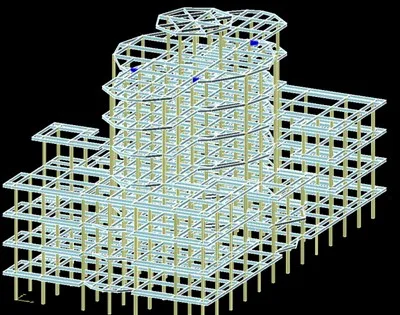
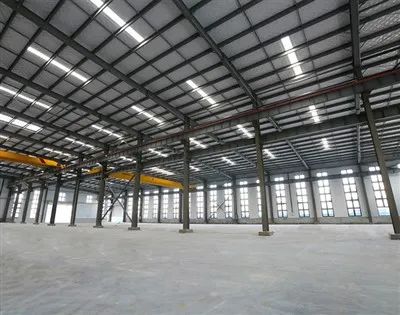
Hey there! As a supplier of steel office buildings, I'm super excited to chat with you about the electrical systems in these amazing structures. Steel office buildings have become a popular choice for businesses all over the world, and for good reason. They're strong, durable, and can be customized to fit the specific needs of any company. But one of the most important aspects of any office building is its electrical system. Without a reliable and efficient electrical system, a building simply can't function properly.
So, what exactly are the electrical systems in steel office buildings? Well, let's start with the basics. The electrical system in a steel office building is responsible for providing power to all of the building's electrical devices and equipment. This includes everything from lights and computers to elevators and HVAC systems. The electrical system is made up of several different components, each of which plays a crucial role in ensuring that the building has a steady and reliable supply of electricity.
One of the most important components of the electrical system in a steel office building is the electrical service entrance. This is where the building's electrical power enters the building from the utility company. The electrical service entrance typically consists of a main electrical panel, which distributes the electrical power to the various circuits throughout the building. The main electrical panel is also where the building's electrical meter is located, which measures the amount of electricity that the building uses.
Another important component of the electrical system in a steel office building is the electrical distribution system. This system is responsible for distributing the electrical power from the main electrical panel to the various electrical devices and equipment throughout the building. The electrical distribution system typically consists of a series of electrical wires and cables, which are connected to the main electrical panel and run throughout the building. The electrical wires and cables are then connected to the various electrical devices and equipment, such as lights, computers, and HVAC systems.
In addition to the electrical service entrance and the electrical distribution system, the electrical system in a steel office building also includes a number of other components, such as electrical switches, outlets, and circuit breakers. Electrical switches are used to turn the electrical devices and equipment on and off, while electrical outlets are used to plug in the electrical devices and equipment. Circuit breakers are used to protect the electrical system from overloading and short circuits.
Now that we've covered the basics of the electrical system in a steel office building, let's take a closer look at some of the specific electrical systems that are commonly found in these buildings. One of the most important electrical systems in a steel office building is the lighting system. The lighting system is responsible for providing illumination to the various areas of the building, such as offices, hallways, and restrooms. The lighting system typically consists of a series of light fixtures, which are connected to the electrical distribution system. The light fixtures can be either incandescent, fluorescent, or LED, depending on the specific needs of the building.

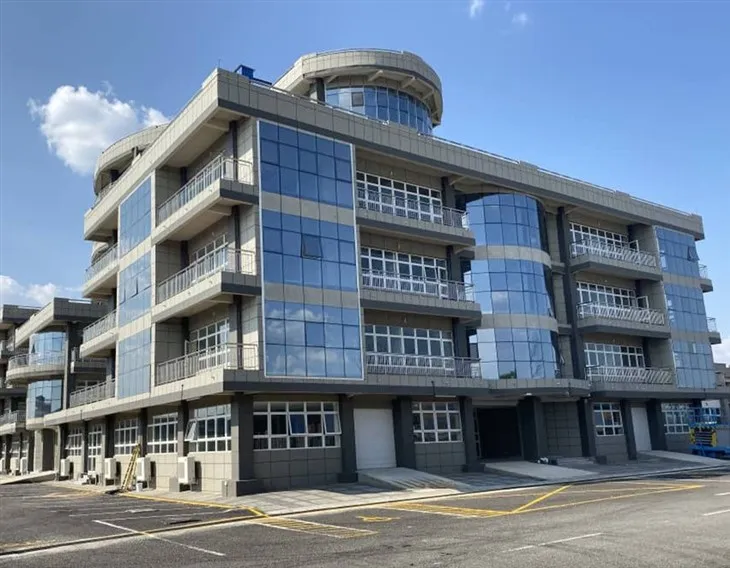
Another important electrical system in a steel office building is the HVAC system. The HVAC system is responsible for providing heating, ventilation, and air conditioning to the building. The HVAC system typically consists of a series of ducts, which are connected to the air handling unit. The air handling unit is responsible for heating or cooling the air, and then distributing it throughout the building through the ducts. The HVAC system also includes a number of other components, such as thermostats, fans, and filters.
In addition to the lighting system and the HVAC system, the electrical system in a steel office building may also include a number of other systems, such as the security system, the fire alarm system, and the communication system. The security system is responsible for protecting the building and its occupants from unauthorized access and theft. The fire alarm system is responsible for detecting fires and alerting the occupants of the building. The communication system is responsible for providing communication services, such as telephone, internet, and television, to the building's occupants.
So, there you have it! That's a brief overview of the electrical systems in steel office buildings. As you can see, the electrical system in a steel office building is a complex and important part of the building's infrastructure. Without a reliable and efficient electrical system, a building simply can't function properly. If you're in the market for a steel office building, it's important to choose a supplier who has experience in designing and installing electrical systems. At [Supplier Name], we have years of experience in designing and installing electrical systems in steel office buildings. We use only the highest quality materials and equipment, and we have a team of experienced and certified electricians who can ensure that your electrical system is installed correctly and safely.
If you're interested in learning more about our Steel Structure Office Building or Office Building Construction services, please don't hesitate to contact us. We'd be happy to answer any questions you may have and provide you with a free quote. Thanks for reading!
References:
- Electrical Systems in Commercial Buildings. (n.d.). Retrieved from [Website URL]
- Steel Office Buildings: Design and Construction. (n.d.). Retrieved from [Website URL]