Hey there, fellow poultry farmers! As a supplier of poultry farm buildings, I've seen firsthand how important it is to provide the right perches in your poultry farm. Perches aren't just a nice-to-have; they're a crucial part of your chickens' well - being. In this blog, I'll share some tips on how to provide perches in poultry farm buildings.
Why Perches are Essential
First off, let's talk about why perches matter. Chickens are natural roosters, and they love to perch. In the wild, they'd spend their nights up in the trees, away from predators. In a farm setting, perches mimic this natural behavior. They help keep chickens off the cold, dirty floor, reducing the risk of diseases like bumblefoot. Perches also give chickens a sense of security, which can lead to less stress and better egg production.
Types of Perches
There are different types of perches you can use in your poultry farm. One common option is wooden perches. They're easy to work with and provide a natural feel for the chickens. You can use branches or cut lumber to make them. Just make sure the wood is smooth and free of splinters to prevent injuries.
Another option is metal perches. They're more durable and easier to clean than wooden ones. However, they can get cold in the winter, so you might want to consider adding some padding if you live in a cold climate.
Placement of Perches
Now, let's talk about where to place the perches in your poultry farm building. You want to place them at different heights. Chickens like to have options, and they'll naturally choose the highest perch they feel comfortable with. The lowest perch should be at least 12 inches off the ground to keep the chickens away from the dirt and droppings.
You should also make sure there's enough space between the perches. Each chicken needs about 8 - 10 inches of space on the perch. If the perches are too close together, the chickens might fight or not be able to get comfortable.
Quantity of Perches
How many perches do you need? Well, it depends on the number of chickens you have. As a general rule, you should provide enough perching space for all your chickens. If you have 50 chickens, for example, you'll need about 400 - 500 inches of perching space.
Installation of Perches
Installing perches is relatively easy. For wooden perches, you can use nails or screws to attach them to the walls or support beams of your poultry farm building. Make sure they're securely fastened so they don't wobble or fall.
If you're using metal perches, you can use brackets or clamps to attach them. Just make sure they're level and stable.


Maintenance of Perches
Perches need regular maintenance. You should clean them at least once a week to remove droppings and dirt. You can use a brush or a pressure washer to clean wooden perches. For metal perches, you can use a mild detergent and water.
You should also inspect the perches regularly for any signs of damage. If a perch is cracked or broken, replace it immediately to prevent injuries to the chickens.
Perches in Different Types of Poultry Farm Buildings
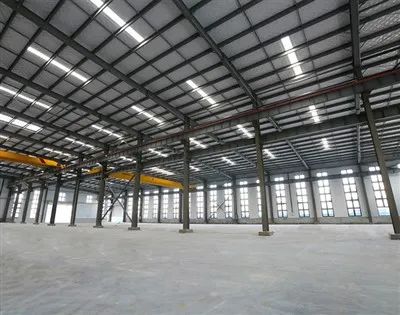
If you're using a Steel Poultry House, you have a lot of flexibility in terms of perch installation. The steel structure is strong and can support multiple perches at different heights. You can also easily attach the perches to the steel beams using brackets.
For a Chicken Farm Building, you might need to consider the size and layout. Make sure the perches are placed in a way that doesn't interfere with the movement of the chickens or the cleaning equipment.
In a Chicken Farm Shed, you can use simpler perches. You can even use natural branches if you want a more rustic look. Just make sure they're clean and free of pests.
Customizing Perches
You can also customize the perches to suit your chickens' needs. For example, you can add some soft padding to the perches to make them more comfortable. You can also add some toys or treats near the perches to encourage the chickens to use them.
Conclusion
Providing perches in your poultry farm building is an important part of keeping your chickens healthy and happy. By choosing the right type of perches, placing them correctly, and maintaining them regularly, you can create a great environment for your chickens.
If you're in the market for a new poultry farm building or need advice on perch installation, don't hesitate to reach out. We're here to help you create the perfect home for your chickens. Let's start a conversation and see how we can work together to improve your poultry farming operation.
References
- "The Chicken Health Handbook" by Gail Damerow
- "Storey's Guide to Raising Chickens" by Gail Damerow