Building a commercial building in a dense urban area is a complex and challenging endeavor. As a commercial buildings supplier, I have witnessed firsthand the numerous obstacles that come with constructing in such environments. In this blog post, I will discuss some of the key challenges faced during the construction of commercial buildings in dense urban areas and how we, as a supplier, work to overcome them.
1. Land Acquisition and Zoning
One of the primary challenges in building a commercial building in a dense urban area is acquiring suitable land. Land in urban centers is often scarce and expensive, and competition for available plots can be fierce. Additionally, the land must comply with local zoning regulations, which can be restrictive and complex.
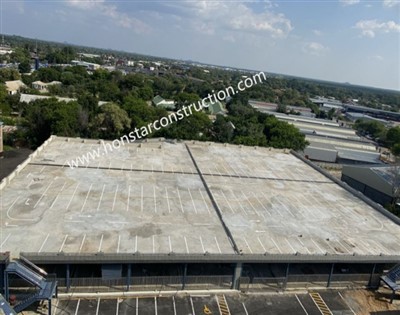
Zoning laws dictate how land can be used, including the type of commercial activities allowed, building height, setbacks, and parking requirements. Navigating these regulations requires a thorough understanding of local laws and the ability to work closely with city planners and regulatory authorities. For example, if we are planning to build a Steel Parking Building, we need to ensure that the land is zoned for parking facilities and that we meet all the necessary requirements for traffic flow, access, and safety.
2. Site Constraints
Dense urban areas are characterized by limited space, which can pose significant challenges during construction. Sites may be surrounded by existing buildings, roads, and utilities, leaving little room for construction equipment, staging areas, and material storage. This can lead to increased costs and delays as contractors must find creative solutions to work within the available space.

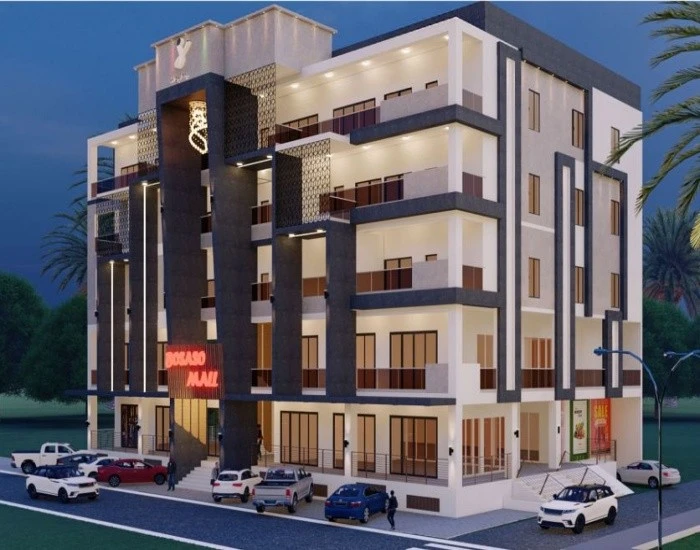
In addition to space limitations, urban sites may also have poor soil conditions, which can require extensive foundation work. For instance, if we are building an Office Building Construction on a site with soft or unstable soil, we may need to use deep foundations such as piles or caissons to ensure the stability of the building. This not only adds to the cost and complexity of the project but also requires specialized expertise and equipment.
3. Traffic and Logistics
Construction in a dense urban area can have a significant impact on traffic and logistics. The movement of construction vehicles, equipment, and materials can disrupt normal traffic patterns, causing congestion and delays for commuters and local businesses. Coordinating the delivery of materials and equipment to the site requires careful planning and communication to minimize the impact on the surrounding community.
We work closely with transportation authorities and local stakeholders to develop traffic management plans that ensure the safe and efficient movement of vehicles during construction. This may include implementing temporary traffic control measures, such as detours and lane closures, and scheduling deliveries during off-peak hours. Additionally, we use advanced logistics software to optimize the routing of trucks and ensure that materials are delivered to the site in a timely manner.
4. Noise and Environmental Impact
Construction activities generate noise, dust, and other environmental pollutants, which can have a negative impact on the surrounding community. In a dense urban area, where residents and businesses are in close proximity to the construction site, minimizing these impacts is crucial.
We are committed to implementing environmentally friendly construction practices to reduce the noise and dust generated during construction. This includes using noise-reducing equipment, installing dust suppression systems, and scheduling noisy activities during times when they will have the least impact on the community. Additionally, we comply with all local environmental regulations and obtain the necessary permits to ensure that our construction activities are conducted in a responsible manner.
5. Community Engagement
Building a commercial building in a dense urban area requires engaging with the local community to address their concerns and gain their support. Community members may have concerns about the impact of the construction on traffic, noise, and the character of the neighborhood. By involving them in the planning process and addressing their concerns, we can build positive relationships and minimize opposition to the project.
We hold public meetings and consultations to inform the community about the project and solicit their feedback. We also work with local community organizations and stakeholders to develop mitigation measures to address their concerns. For example, if the community is concerned about the loss of green space, we may incorporate landscaping and green roofs into the design of the building to provide additional green space.
6. Design and Aesthetics
In a dense urban area, the design and aesthetics of a commercial building are important considerations. The building must blend in with the surrounding architecture and enhance the overall character of the neighborhood. At the same time, it must also meet the functional requirements of the business and provide a comfortable and attractive environment for its occupants.
We work closely with architects and designers to develop innovative and sustainable design solutions that meet the needs of our clients and the community. Our designs incorporate the latest technologies and materials to ensure energy efficiency, durability, and functionality. For example, if we are building a Steel Structure Shopping Mall, we may use glass facades and natural light to create a bright and inviting shopping environment.
7. Cost and Budget Management
Building a commercial building in a dense urban area can be expensive due to the high cost of land, labor, and materials. Managing the cost and budget of the project is crucial to ensure its financial viability. We work closely with our clients to develop a detailed budget and cost estimate for the project and to identify cost-saving measures without compromising on quality.
We use value engineering techniques to optimize the design and construction of the building, reducing costs while maintaining the desired level of functionality and performance. Additionally, we have a network of suppliers and contractors who offer competitive pricing and high-quality products and services. By leveraging our relationships and negotiating favorable contracts, we can help our clients save money on their projects.
Conclusion
Building a commercial building in a dense urban area is a challenging but rewarding endeavor. By understanding the key challenges and working closely with our clients, architects, contractors, and the local community, we can overcome these obstacles and deliver high-quality commercial buildings that meet the needs of our clients and enhance the urban environment.
If you are interested in building a commercial building in a dense urban area, we would be happy to discuss your project with you. Our team of experts has the knowledge and experience to help you navigate the challenges of urban construction and deliver a successful project. Contact us today to start the conversation.
References
- Urban Land Institute. (2023). Best Practices for Urban Development.
- American Institute of Architects. (2023). Design Guidelines for Urban Commercial Buildings.
- Construction Industry Institute. (2023). Managing Construction Projects in Urban Environments.