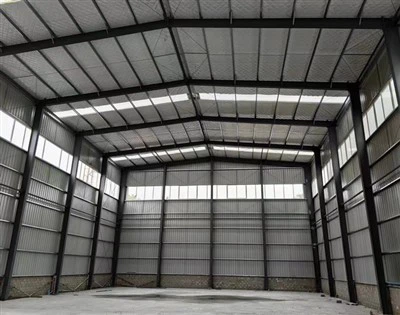
Condensation in a prefabricated shed can be a persistent problem that leads to various issues such as damage to stored items, corrosion of the shed structure, and the growth of mold and mildew. As a supplier of prefabricated sheds, I understand the complexity of this problem and have gathered some effective strategies to help prevent condensation.
Understanding Condensation
Before we dive into prevention methods, it's crucial to understand what causes condensation. Condensation occurs when warm, moist air comes into contact with a cold surface. In a prefabricated shed, this often happens when the temperature inside the shed drops rapidly, causing the water vapor in the air to turn into liquid water. Factors like high humidity, poor ventilation, and temperature fluctuations can exacerbate the problem.
Proper Ventilation
One of the most effective ways to prevent condensation is to ensure proper ventilation in the shed. Ventilation allows fresh air to circulate, reducing the humidity levels inside the shed. There are several ways to achieve this.
Installing vents is a straightforward solution. Ridge vents, which are placed at the peak of the shed's roof, allow hot air to escape. Gable vents can be installed on the sides of the shed to provide cross - ventilation. For larger prefabricated sheds like our High - Performance Pre - Engineered 260ft X 150ft Steel Structure Shed, multiple vents may be required to ensure adequate air circulation.
Another option is to use exhaust fans. These fans can be installed in the shed to actively remove moist air. They are particularly useful in areas where natural ventilation is limited. For example, in an Industrial Shed Warehouse where large amounts of equipment or goods may block natural airflow, exhaust fans can help maintain a dry environment.
Insulation
Insulation plays a vital role in preventing condensation. By insulating the shed, you can reduce the temperature difference between the inside and outside of the shed, minimizing the chances of warm, moist air coming into contact with cold surfaces.
There are different types of insulation materials available. Fiberglass insulation is a popular choice due to its affordability and ease of installation. It can be installed in the walls and roof of the shed. Spray foam insulation is another option. It provides a more airtight seal and can fill in small gaps and crevices, preventing air leakage.
For a Customized 48m × 20m Steel Structure Cattle Shed, proper insulation is crucial not only to prevent condensation but also to keep the animals comfortable. The insulation should be installed in a way that it does not interfere with the shed's structural integrity.
Dehumidifiers
Using dehumidifiers is an effective way to control the humidity levels inside the shed. Dehumidifiers work by removing moisture from the air, reducing the likelihood of condensation.
There are different sizes and types of dehumidifiers available. For small prefabricated sheds, a portable dehumidifier may be sufficient. For larger sheds or those with high humidity problems, a whole - house dehumidifier or a commercial - grade dehumidifier may be required.
When using a dehumidifier, it's important to place it in a central location in the shed to ensure maximum effectiveness. Also, make sure to empty the water collection tank regularly to prevent overflow.
Temperature Control
Maintaining a consistent temperature inside the shed can also help prevent condensation. Fluctuations in temperature can cause the air inside the shed to cool rapidly, leading to condensation.
One way to control the temperature is to use a heater or an air conditioner, depending on the climate. In colder climates, a heater can be used to keep the shed warm and prevent the air from cooling too much. In warmer climates, an air conditioner can be used to remove heat and moisture from the air.
However, it's important to note that using a heater or an air conditioner can increase energy costs. Therefore, it's essential to find a balance between temperature control and energy efficiency.
Shed Design and Location
The design and location of the shed can also have an impact on condensation. When designing a prefabricated shed, it's important to consider factors such as the slope of the roof and the orientation of the shed.
A sloped roof allows water to drain off easily, reducing the chances of water pooling on the roof and causing condensation. The orientation of the shed can also affect sunlight exposure. A shed that receives more sunlight during the day will be warmer, reducing the likelihood of condensation.
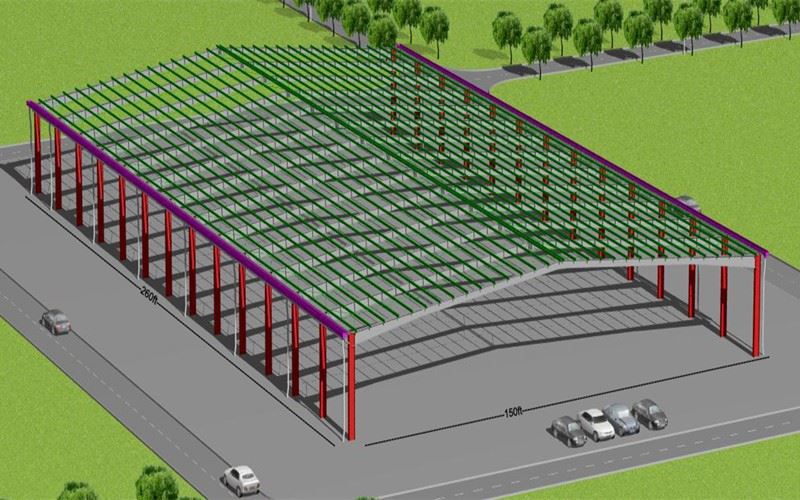

The location of the shed is also important. Avoid placing the shed in low - lying areas where water may accumulate. Also, make sure the shed is not too close to large bodies of water or areas with high humidity.
Regular Maintenance
Regular maintenance of the shed is essential to prevent condensation. Check for any signs of leaks in the roof, walls, or doors. Leaks can allow water to enter the shed, increasing the humidity levels and causing condensation.
Inspect the vents and fans regularly to ensure they are working properly. Clean the vents and fans to remove any dirt or debris that may block the airflow.
Also, check the insulation for any signs of damage. If the insulation is damaged, it may not be as effective in preventing condensation. Replace any damaged insulation as soon as possible.
Conclusion
Preventing condensation in a prefabricated shed requires a combination of strategies, including proper ventilation, insulation, dehumidification, temperature control, and regular maintenance. By implementing these strategies, you can protect your shed and its contents from the damaging effects of condensation.
If you are in the market for a prefabricated shed or need advice on preventing condensation in your existing shed, feel free to contact us for more information. We are committed to providing high - quality prefabricated sheds and comprehensive solutions to meet your needs. Contact us for in - depth discussions and procurement negotiations.
References
- Building Science Corporation. "Controlling Condensation in Buildings."
- American Society of Heating, Refrigerating and Air - Conditioning Engineers. "ASHRAE Handbook: Fundamentals."
- National Association of Home Builders. "Building Science and Technology."