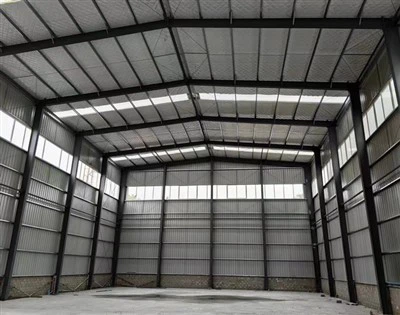
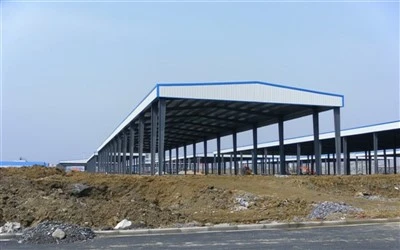
As a supplier of prefabricated sheds, I often get asked about the maintenance cost of these structures. Understanding the maintenance cost is crucial for anyone considering purchasing a prefabricated shed, whether it's for personal storage, industrial use, or agricultural purposes. In this blog, I'll break down the various factors that contribute to the maintenance cost of a prefabricated shed and provide some insights to help you make an informed decision.


1. Initial Quality and Material Selection
The maintenance cost of a prefabricated shed starts with its initial construction. High - quality materials and proper manufacturing processes can significantly reduce long - term maintenance needs. For example, if you choose a prefabricated shed made of galvanized steel, it will be more resistant to rust and corrosion compared to a shed made of untreated steel. Galvanized steel has a protective zinc coating that acts as a barrier against moisture and oxygen, which are the main causes of rust.
When it comes to prefabricated sheds, we offer a Prefabricated Steel Warehouse that is built with high - grade steel. The steel is treated to withstand harsh environmental conditions, reducing the likelihood of structural damage over time. This initial investment in quality materials can save you a substantial amount of money on maintenance in the long run.
2. Regular Inspections
Regular inspections are an essential part of maintaining a prefabricated shed. These inspections should be carried out at least once a year, and more frequently in areas with extreme weather conditions. During an inspection, you should check for signs of damage, such as cracks in the walls, loose bolts, or signs of rust.
Inspecting the roof is particularly important. A damaged roof can lead to water leaks, which can cause significant damage to the interior of the shed and its contents. Look for missing or damaged roofing panels, and check the seals around vents and skylights. If you notice any issues during the inspection, it's important to address them immediately to prevent further damage.
3. Cleaning and Maintenance of the Exterior
The exterior of the prefabricated shed needs regular cleaning to keep it in good condition. Dirt, debris, and pollutants can accumulate on the surface of the shed, which can accelerate the corrosion process. Depending on the location of the shed, you may need to clean it more or less frequently.
For a steel shed, a simple wash with a mild detergent and water can remove most of the dirt and grime. Avoid using abrasive cleaners or tools that can scratch the surface of the steel, as this can expose it to corrosion. If the shed is in an area with a lot of industrial pollution or saltwater, more frequent cleaning may be required.
4. Repairs and Replacements
Over time, parts of the prefabricated shed may need to be repaired or replaced. This could include damaged panels, broken doors or windows, or worn - out fasteners. The cost of repairs and replacements will depend on the extent of the damage and the type of materials used.
If a panel is damaged, it may be possible to replace just the affected panel rather than the entire wall. This can significantly reduce the cost of repairs. However, if the damage is extensive, it may be more cost - effective to replace a larger section of the shed.
5. Foundation Maintenance
The foundation of the prefabricated shed is crucial for its stability. A damaged or uneven foundation can cause structural problems in the shed. Regularly inspect the foundation for cracks, settlement, or signs of water damage.
If the shed is built on a concrete foundation, you may need to seal the concrete periodically to prevent water penetration. In areas with freezing temperatures, it's important to ensure that the foundation is properly insulated to prevent frost heave, which can cause the shed to shift and become unstable.
6. Cost Estimation
The maintenance cost of a prefabricated shed can vary widely depending on the size, material, location, and usage of the shed. On average, the annual maintenance cost for a small - to - medium - sized prefabricated shed can range from $100 to $500. This includes the cost of inspections, cleaning, and minor repairs.
For larger industrial prefabricated sheds, the maintenance cost can be significantly higher. These sheds may require more frequent inspections, specialized cleaning equipment, and more extensive repairs. The annual maintenance cost for an industrial shed can range from $500 to several thousand dollars, depending on the complexity of the structure and the level of usage.
7. Tips to Reduce Maintenance Costs
- Choose the Right Location: Select a location for the shed that is well - drained and away from sources of pollution. This can reduce the risk of corrosion and damage to the shed.
- Follow the Manufacturer's Guidelines: The manufacturer of the prefabricated shed will provide guidelines on maintenance and care. Following these guidelines can help you keep the shed in good condition and avoid costly repairs.
- Invest in Quality Materials: As mentioned earlier, high - quality materials can reduce the long - term maintenance cost of the shed. While the initial cost may be higher, the savings in maintenance over time can be significant.
8. Contact Us for Your Prefabricated Shed Needs
If you're considering purchasing a prefabricated shed, it's important to understand the maintenance cost and how it fits into your budget. As a supplier of prefabricated sheds, we are committed to providing high - quality products and excellent customer service. Our team of experts can help you choose the right shed for your needs and provide guidance on maintenance and care.
Whether you're looking for a small storage shed or a large industrial Prefabricated Steel Warehouse, we have a solution for you. Contact us today to discuss your requirements and get a free quote. We look forward to helping you find the perfect prefabricated shed for your needs.
References
- "Steel Building Maintenance Guide" by Steel Building Manufacturers Association
- "Best Practices for Prefabricated Structure Maintenance" in Journal of Construction and Building Materials