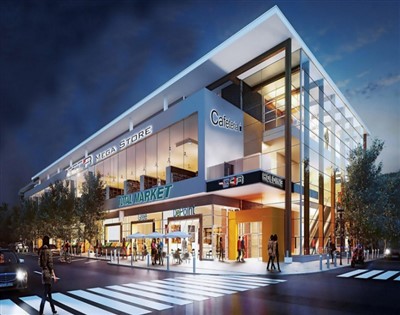
In the contemporary era, modern steel frame buildings have become a staple in the construction industry, offering numerous advantages such as durability, flexibility, and cost - effectiveness. As a supplier of Modern Steel Frame Buildings, I am acutely aware of the importance of ensuring the security of these structures. In this blog, I will explore various ways to enhance the security of modern steel frame buildings.
1. Structural Integrity
The foundation of security in any building is its structural integrity. For steel frame buildings, this means ensuring that the steel used meets high - quality standards. High - strength steel alloys are often preferred as they can withstand greater loads and stresses. During the design phase, engineers need to conduct thorough stress and load analyses. This involves considering factors such as wind loads, seismic activity, and the weight of the building's contents.
Regular inspections are also crucial. Non - destructive testing methods, such as ultrasonic testing and magnetic particle inspection, can be used to detect any hidden flaws in the steel members. These inspections should be carried out at regular intervals, especially after extreme weather events or significant structural modifications.
2. Fire Protection
Fire is a major threat to any building, and steel frame buildings are no exception. Although steel is non - combustible, it loses its strength at high temperatures. To enhance fire protection, fire - resistant coatings can be applied to the steel members. These coatings act as a barrier, slowing down the transfer of heat to the steel and allowing more time for evacuation in case of a fire.
In addition to coatings, the building's layout should be designed to prevent the spread of fire. Fire - rated partitions can be installed to separate different areas of the building. Automatic sprinkler systems are also highly recommended. These systems can quickly detect and suppress fires, reducing the damage caused.
3. Access Control
Controlling access to the building is an important aspect of security. For modern steel frame buildings, this can be achieved through a combination of physical and electronic means. Physical barriers such as fences and gates can be installed around the perimeter of the building. These barriers should be made of strong materials and designed to prevent unauthorized entry.
Electronic access control systems are also essential. These systems can include key cards, biometric scanners, and security cameras. Key cards can be programmed to grant access only to authorized personnel, while biometric scanners use fingerprints or facial recognition to ensure that only the right people can enter. Security cameras can be placed at strategic locations around the building to monitor activity and deter potential intruders.
4. Intrusion Detection
In addition to access control, intrusion detection systems are necessary to detect any unauthorized entry into the building. Motion sensors can be installed in key areas such as entrances, hallways, and storage areas. These sensors can detect movement and trigger an alarm if an unauthorized person is detected.
Window and door sensors are also important. They can detect if a window or door is opened or broken, and send an alert to the security system. Some advanced intrusion detection systems can also be integrated with the building's security cameras, allowing for real - time monitoring and recording of any suspicious activity.
5. Cybersecurity
In today's digital age, modern steel frame buildings are often equipped with various smart systems, such as building management systems, access control systems, and surveillance cameras. These systems are connected to the internet, making them vulnerable to cyber - attacks.
To enhance cybersecurity, it is important to use strong passwords and regularly update the software of these systems. Firewalls should be installed to protect the network from external threats. Employee training is also crucial. Staff should be educated about the importance of cybersecurity and how to avoid common cyber - threats such as phishing attacks.
6. Environmental Considerations
The environment in which a steel frame building is located can also affect its security. For example, buildings located in areas prone to flooding or high - wind conditions need to be designed to withstand these environmental challenges.


In flood - prone areas, the building can be elevated on stilts or flood - proofed using special materials. For high - wind areas, the building's design should take into account wind loads and aerodynamics. The shape of the building can be optimized to reduce wind resistance and prevent damage.
7. Maintenance and Upgrades
Regular maintenance is essential for the long - term security of modern steel frame buildings. This includes inspecting and maintaining the building's structural components, fire protection systems, access control systems, and intrusion detection systems.
Upgrades should also be considered periodically. As technology advances, new security solutions become available. For example, more advanced access control systems or intrusion detection sensors can be installed to improve the building's security.
Conclusion
Enhancing the security of modern steel frame buildings requires a comprehensive approach that addresses structural integrity, fire protection, access control, intrusion detection, cybersecurity, environmental considerations, and maintenance. As a supplier of Modern Steel Frame Buildings, I am committed to providing high - quality products and solutions that meet the highest security standards.
If you are interested in purchasing prefabricated steel buildings for your project, I encourage you to explore our Prefabricated Steel Warehouse options. Our team of experts can work with you to design and build a steel frame building that meets your specific security needs. Contact us today to start the conversation about your next project.
References
- Building Code Requirements for Structural Steel Buildings, American Institute of Steel Construction.
- Fire Protection Handbook, National Fire Protection Association.
- Cybersecurity Best Practices for Industrial Control Systems, Department of Homeland Security.