In recent years, the construction industry has witnessed a significant shift towards sustainable and environmentally friendly building solutions. As a supplier of Prefab Metal Shop Buildings, I am often asked about the environmental friendliness of our products. In this blog post, I will explore the various aspects of prefab metal shop buildings and their impact on the environment.
Material Sourcing and Sustainability
One of the key factors in determining the environmental friendliness of a building is the sourcing of its materials. Steel, the primary material used in prefab metal shop buildings, is one of the most recycled materials in the world. According to the American Iron and Steel Institute, the steel industry has a recycling rate of over 90%, which means that a large portion of the steel used in new construction comes from recycled sources.
When we source steel for our prefab metal shop buildings, we prioritize suppliers who adhere to strict environmental standards. This ensures that the steel we use is not only of high quality but also has a minimal environmental impact. Additionally, the production of steel has become more energy - efficient over the years, with modern steel mills using advanced technologies to reduce energy consumption and greenhouse gas emissions.
Energy Efficiency
Energy efficiency is another crucial aspect of environmentally friendly buildings. Prefab metal shop buildings offer several features that contribute to their energy - saving capabilities.


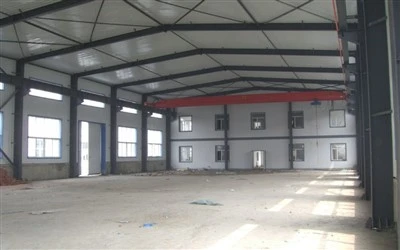
Firstly, the design flexibility of prefab metal buildings allows for the integration of energy - efficient insulation systems. High - performance insulation materials can be installed within the metal panels, which helps to reduce heat transfer between the interior and exterior of the building. This means that less energy is required to heat or cool the building, resulting in lower energy bills and a reduced carbon footprint.
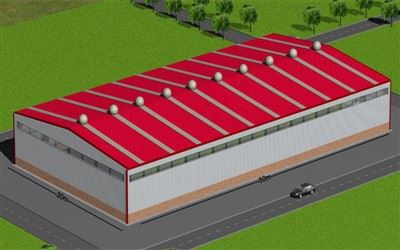
Secondly, metal roofs are highly reflective, which can significantly reduce the amount of solar heat absorbed by the building. This is known as the "cool roof" effect. By reflecting sunlight rather than absorbing it, the interior temperature of the building remains more stable, reducing the need for air conditioning during hot summer months.
Reduced Construction Waste
Traditional construction methods often generate a large amount of waste, which can end up in landfills. In contrast, prefab metal shop buildings are precisely engineered and manufactured in a controlled factory environment. This precision manufacturing process results in significantly less waste compared to on - site construction.
Any excess steel or other materials from the manufacturing process can be easily recycled and reused. In addition, because the components of prefab metal buildings are pre - fabricated off - site, there is less material handling and cutting on the construction site, which further minimizes waste generation.
Durability and Longevity
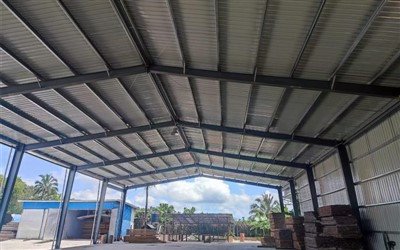
A building's lifespan is an important consideration when evaluating its environmental impact. Prefab metal shop buildings are known for their durability and longevity. Steel is a strong and resilient material that can withstand harsh weather conditions, including high winds, heavy snow, and seismic activity.
Because these buildings last for decades, there is less need for frequent reconstruction or replacement. Over the long term, this reduces the demand for new building materials and the energy required to produce and transport them. In other words, a single prefab metal shop building can serve its purpose for a long time, resulting in less overall environmental impact compared to less durable building types.
End - of - Life Recycling
When a prefab metal shop building reaches the end of its useful life, its steel components can be easily recycled. Unlike many other building materials, steel does not lose its properties during the recycling process. This means that the steel from a decommissioned metal building can be melted down and used to create new steel products, including new prefab metal buildings.
This closed - loop recycling system is a significant advantage in terms of environmental sustainability. It reduces the demand for virgin steel production, which in turn conserves natural resources and reduces energy consumption and pollution associated with mining and steelmaking.
Comparison with Other Building Types
To better understand the environmental friendliness of prefab metal shop buildings, it is useful to compare them with other common building types. For example, Prefabricated Steel Structure Supermarket and Pre Steel Structure Supermarket buildings share many of the same environmental benefits as prefab metal shop buildings.
In comparison to traditional brick - and - mortar buildings, prefab metal structures generally have a lower environmental impact during construction and operation. Brick production is energy - intensive and can release significant amounts of carbon dioxide into the atmosphere. Additionally, brick buildings often require more maintenance and may have a shorter lifespan compared to metal structures.
Wooden buildings, although a renewable resource, also have some environmental drawbacks. The logging of trees can have a negative impact on forests if not managed sustainably. Moreover, wooden structures may be more susceptible to fire, pests, and decay, which can lead to premature replacement and increased use of resources.
Green Certifications and Standards
The prefab metal building industry has been increasingly focused on meeting and exceeding green building certifications and standards. Many prefab metal shop buildings can be designed and constructed to meet or exceed the requirements of LEED (Leadership in Energy and Environmental Design) certification. LEED is a globally recognized green building rating system that evaluates a building's environmental performance in multiple categories, including energy efficiency, water conservation, and material selection.
By obtaining LEED certification or other similar green building certifications, prefab metal shop buildings demonstrate their commitment to environmental sustainability. This not only benefits the environment but also provides added value to building owners, as green buildings often have lower operating costs and may be more attractive to tenants and investors.
Conclusion
In conclusion, prefab metal shop buildings are indeed environmentally friendly. Their use of recycled materials, energy - efficient design features, reduced construction waste, durability, and end - of - life recyclability make them a sustainable choice for a variety of applications.
If you are considering a commercial or industrial building project and are concerned about the environmental impact, I encourage you to explore the option of prefab metal shop buildings. Our team of experts is ready to work with you to design and construct a building that meets your specific needs while also being kind to the environment. Contact us today to start the conversation about your next building project and explore how our prefab metal shop buildings can be an ideal solution for you.
References
- American Iron and Steel Institute. (Year). Steel Recycling Facts.
- US Green Building Council. (Year). Leadership in Energy and Environmental Design (LEED) Certification Guide.