Hey there! As a supplier of prefab godowns, I often get asked this question: “Do prefab godowns require a foundation?” Well, let's dive right into it and break it down.
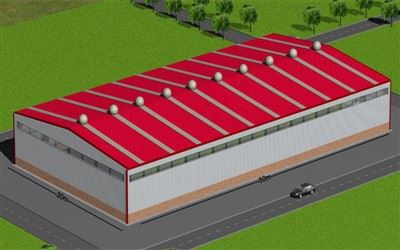
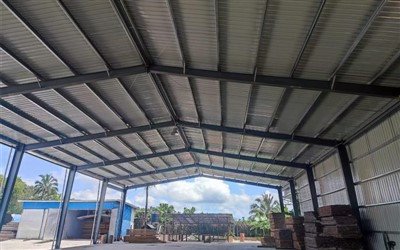
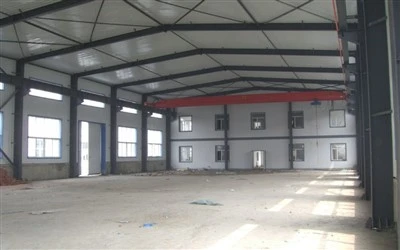
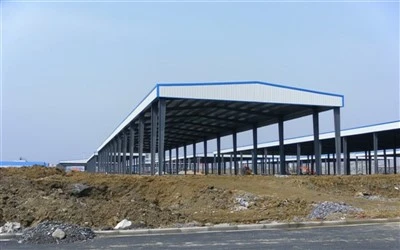
First off, what exactly are prefab godowns? They're pre - fabricated storage structures that are built off - site and then assembled at the final location. They're super popular because they're cost - effective, quick to install, and can be customized to fit various needs. You can check out some of our great options like the 30x50 Utility Storage Metal Building and the Steel Structure Prefab Warehouse.
Now, back to the main question, whether a foundation is needed. The short answer is: it depends.
One of the most important factors is the local soil conditions. If you're building on hard, compact soil like well - compacted gravel or dense clay, the need for a full - fledged foundation might be reduced. However, if the soil is soft, sandy, or has a high water table, a proper foundation is a must. Soft soil won't be able to support the weight of the prefab godown on its own. Over time, the building could start to sink or shift, leading to structural damage.
Let's say you're in an area with sandy soil. Sandy soil is loose and can easily be displaced under pressure. Without a proper foundation, the prefab godown might start to lean or develop cracks in the walls. On the other hand, if the soil is dense and stable, you might be able to get away with a simpler foundation, like a perimeter footing.
The size and weight of the prefab godown also matter a great deal. Larger godowns, like our 30x50 Steel Building, are heavier and require more support. A bigger structure exerts more pressure on the ground, so a stronger and more extensive foundation is necessary. If you try to install a large prefab godown without an adequate foundation, it's like building a house without a proper base—the whole thing is at risk.
Another thing to think about is the usage of the godown. If you plan to store heavy machinery or large quantities of goods, it will add extra weight to the structure. This increased load means the foundation needs to be robust enough to handle it. For instance, a godown used as a warehouse for heavy construction equipment will need a much stronger foundation compared to one used for storing lightweight boxes.


Climate is yet another significant factor. In areas with extreme weather conditions, such as heavy snowfall or strong winds, a good foundation is crucial. Snow on the roof adds a substantial amount of weight, and strong winds can exert horizontal forces on the building. A well - built foundation helps anchor the prefab godown firmly to the ground and prevents it from being damaged by these external forces.
Now, let's talk about the different types of foundations that might be used for prefab godowns. One common option is the slab - on - grade foundation. This is a flat, concrete slab that covers the entire area where the godown will be built. It's a great choice for smaller godowns or when the soil conditions are relatively stable. A slab - on - grade foundation provides a solid, level surface for the prefabricated structure to be installed on.
Then there's the perimeter footing foundation. This involves pouring concrete footings around the perimeter of the godown. The footings are usually deeper and wider than the walls of the building. They distribute the weight of the structure evenly and provide support along the edges. This type of foundation is often used for larger godowns or when the soil has some variability in its bearing capacity.
Pile foundations are another option, especially for areas with very soft soil. Piles are long, slender columns that are driven deep into the ground until they reach a more stable layer. The prefab godown is then built on top of these piles, which transfer the weight of the building to the deeper, more stable soil.
So, how do you determine which foundation is right for your prefab godown? The first step is to conduct a soil test. This will give you detailed information about the soil's properties, such as its density, moisture content, and bearing capacity. Based on the results of the soil test, a structural engineer can design the appropriate foundation for your specific situation.
It's important to remember that skimping on the foundation is a huge mistake. While it might seem like a cost - saving measure in the short term, it can lead to expensive repairs and even the failure of the entire structure in the long run. A proper foundation is an investment in the longevity and safety of your prefab godown.
As a prefab godown supplier, I've seen firsthand the difference a good foundation can make. We always recommend that our customers work with a qualified engineer to ensure that their godown is built on a solid base. This way, you can be confident that your prefab godown will serve you well for many years to come.
If you're considering purchasing a prefab godown, don't hesitate to reach out. We're here to help you through every step of the process, from choosing the right design to ensuring that the foundation is just right. Whether you need a small storage unit or a large industrial warehouse, we've got the expertise and the products to meet your needs. Let's have a chat and see how we can build the perfect prefab godown for you!
References
- Construction Materials and Methods Handbook
- Soil Mechanics and Foundation Engineering textbooks