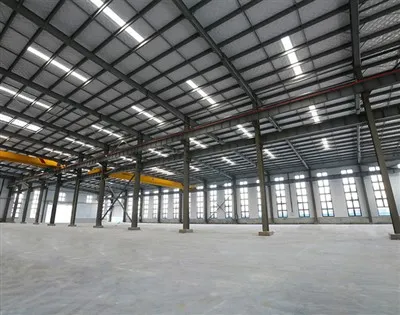
When it comes to prefab metal shop buildings, ensuring the safety of the structure and its contents is of utmost importance. One crucial aspect of safety is the fire - suppression system. As a supplier of prefab metal shop buildings, I understand the significance of offering various fire - suppression options to meet the diverse needs of our customers. In this blog, I will explore the different fire - suppression system options available for prefab metal shop buildings.
Water - based Fire - Suppression Systems
Sprinkler Systems
Sprinkler systems are one of the most common and effective fire - suppression methods for prefab metal shop buildings. They work by releasing water when the heat from a fire activates the sprinkler heads. There are different types of sprinkler systems, such as wet pipe, dry pipe, and pre - action systems.
Wet pipe sprinkler systems are the most widely used. They are filled with water at all times, and when a fire occurs, the heat causes the sprinkler heads to open, and water is immediately released. These systems are relatively simple and cost - effective, making them a popular choice for many prefab metal shop buildings.
Dry pipe sprinkler systems are used in areas where freezing is a concern, such as unheated metal shops in cold climates. Instead of water, the pipes are filled with air or nitrogen. When a fire is detected, the air or nitrogen is released, and water then enters the pipes and is sprayed through the sprinkler heads.
Pre - action sprinkler systems are a combination of wet and dry pipe systems. They require two separate events to occur before water is released: a fire detection system must first detect the fire, and then the sprinkler heads must be activated by heat. This type of system is often used in areas where accidental water discharge could cause significant damage, such as in data centers or areas with valuable equipment.
Water Mist Systems
Water mist systems are another water - based fire - suppression option. They use fine water droplets to suppress fires. These systems are more efficient in terms of water usage compared to traditional sprinkler systems. Water mist systems can cool the fire area, displace oxygen, and reduce the spread of flames. They are suitable for prefab metal shop buildings where minimizing water damage is a priority, such as in workshops with sensitive machinery. For more information on pre - engineered metal structures like Pre Engineered Workshop, water mist systems can be a great addition to enhance fire safety.
Gas - based Fire - Suppression Systems
Clean Agent Systems
Clean agent fire - suppression systems use gases that are non - conductive, non - corrosive, and leave no residue after discharge. These gases work by interrupting the chemical reaction of the fire. Common clean agents include Halon alternatives like FM - 200 and Novec 1230.
FM - 200 is a widely used clean agent. It is effective in suppressing fires in areas with sensitive electronic equipment, such as control rooms in prefab metal shop buildings. Novec 1230 is an environmentally friendly alternative. It has a low global warming potential and is suitable for use in areas where environmental concerns are a priority.
Inert Gas Systems
Inert gas fire - suppression systems use gases like nitrogen, argon, or a mixture of both. These gases work by reducing the oxygen concentration in the protected area to a level where combustion cannot occur. Inert gas systems are often used in areas where human presence is common, as they are non - toxic and do not cause harm to people. They are suitable for prefab metal shop buildings with offices or areas where employees are present.
Foam - based Fire - Suppression Systems
Class A Foam Systems
Class A foam systems are designed to suppress fires involving ordinary combustibles, such as wood, paper, and textiles. The foam forms a blanket over the fire, cooling the fuel and preventing oxygen from reaching it. These systems are commonly used in prefab metal shop buildings where there are storage areas for such combustibles.


Class B Foam Systems
Class B foam systems are used to suppress fires involving flammable liquids, such as gasoline, oil, and solvents. The foam creates a barrier on the surface of the liquid, preventing the release of flammable vapors and extinguishing the fire. For prefab metal shops that deal with flammable liquids, such as automotive repair shops or paint booths, Class B foam systems are essential.
Choosing the Right Fire - Suppression System
When choosing a fire - suppression system for a prefab metal shop building, several factors need to be considered.
Building Use
The type of activities that take place in the building is a crucial factor. For example, a prefab metal shop used as a Steel Cattle Shed may require a different fire - suppression system compared to a metal workshop with high - tech machinery. If the building is used for storing flammable materials, a foam - based or gas - based system may be more appropriate.
Size and Layout of the Building
The size and layout of the prefab metal shop building also play a role in determining the fire - suppression system. Larger buildings may require more extensive sprinkler systems or multiple gas - based units. The layout, including the presence of partitions and high - ceilings, can affect the distribution of the fire - suppression agent.
Budget
Budget is always a consideration. Water - based systems are generally more cost - effective compared to gas - based systems. However, the long - term benefits and the level of protection provided by different systems should also be taken into account.
Environmental Impact
In today's world, environmental impact is an important factor. Gas - based systems like Novec 1230 have a lower environmental impact compared to some traditional fire - suppression agents. When choosing a system, it is important to consider the environmental implications.
Maintenance and Inspection
Once a fire - suppression system is installed in a prefab metal shop building, regular maintenance and inspection are essential. Sprinkler systems need to be checked for leaks, proper water pressure, and the functionality of the sprinkler heads. Gas - based systems require inspections to ensure that the gas cylinders are full and the release mechanisms are working correctly.
Regular maintenance not only ensures the proper functioning of the fire - suppression system but also helps to comply with safety regulations. It is recommended to have a professional fire - suppression system contractor perform regular inspections and maintenance.
Conclusion
As a supplier of prefab metal shop buildings, I understand that providing a safe and reliable fire - suppression system is crucial for our customers. There are various options available, including water - based, gas - based, and foam - based systems. Each system has its own advantages and is suitable for different types of prefab metal shop buildings.
When considering a prefab metal shop building, such as a Warehouse With Mezzanine, it is important to carefully evaluate the fire - suppression needs based on the building's use, size, budget, and environmental impact. By choosing the right fire - suppression system and ensuring proper maintenance, we can help our customers create a safe and secure environment for their operations.
If you are interested in purchasing a prefab metal shop building and need more information about fire - suppression systems, please feel free to contact us for a detailed discussion. We are committed to providing the best solutions to meet your needs.
References
- NFPA 13: Standard for the Installation of Sprinkler Systems
- NFPA 2001: Standard on Clean Agent Fire Extinguishing Systems
- NFPA 11: Standard for Low -, Medium -, and High - Expansion Foam