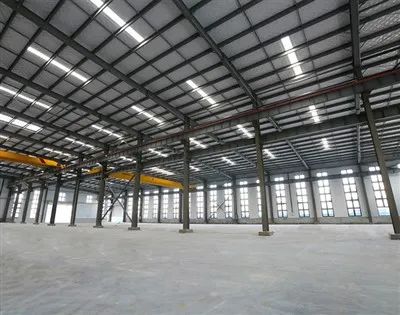
When it comes to setting up an insulated metal workshop, one of the most critical decisions you'll make is choosing the right location. As a seasoned supplier of insulated metal workshops, I've witnessed firsthand how the location can significantly impact the functionality, efficiency, and long - term success of these facilities. In this blog, I'll delve into the key factors to consider when selecting the best location for an insulated metal workshop.
Accessibility
Accessibility is a fundamental aspect that can't be overlooked. A workshop should be easily reachable for both employees and the transportation of raw materials and finished products.
For employees, proximity to major roads, public transportation hubs, and residential areas is essential. If the workshop is located far from public transit options, it may be challenging for workers without private vehicles to commute. This can lead to higher employee turnover and recruitment difficulties.


In terms of transportation of goods, the location should have good access to highways, railways, or ports, depending on the nature of your business. If you deal with heavy machinery or large quantities of raw materials, being close to a railway station or a port can save a significant amount of time and money on shipping. For instance, if you're importing steel for your prefab workshops, having easy access to a port can streamline the supply chain. Check out our Prefab Steel Workshop for more details on the type of products that require efficient transportation.
Zoning and Regulations
Before finalizing a location, it's crucial to understand the local zoning laws and regulations. Different areas have specific zoning requirements for industrial buildings, which may include restrictions on building size, height, setbacks from property lines, and the type of activities that can be conducted on the premises.
Some areas may have strict environmental regulations, especially if your workshop involves processes that generate noise, dust, or chemical waste. For example, if you're operating a metal - cutting or welding workshop, you need to ensure that the location complies with air quality and noise pollution standards. Failure to comply with these regulations can result in hefty fines and even the closure of your workshop.
Additionally, some local governments offer incentives for industrial development in certain areas. These incentives can include tax breaks, grants, or subsidized land. Researching these opportunities can help you find a location that not only meets your operational needs but also provides financial benefits.
Land and Site Conditions
The physical characteristics of the land are also important considerations. The land should be relatively flat to minimize the cost of site preparation. Building on a sloped or uneven terrain may require extensive grading and foundation work, which can add a significant amount to the overall construction cost.
The soil type is another crucial factor. Some soil types, such as clay, may have poor bearing capacity, which can lead to foundation problems over time. Conducting a soil test before purchasing the land can help you determine if the soil is suitable for your workshop. If the soil conditions are not ideal, you may need to invest in more expensive foundation solutions, such as deep foundations or soil stabilization techniques.
Moreover, the site should have adequate drainage. Poor drainage can lead to water accumulation around the workshop, which can cause corrosion of the metal structure, damage to equipment, and even flooding. Ensure that the land has a natural slope or that proper drainage systems can be installed to direct water away from the building.
Utilities
A reliable supply of utilities is essential for the smooth operation of an insulated metal workshop. The main utilities required include electricity, water, and gas.
Electricity is needed to power machinery, lighting, and heating or cooling systems. When choosing a location, check the capacity of the local power grid and ensure that it can meet your workshop's electrical demands. If your workshop uses high - power equipment, such as large - scale metal presses or industrial ovens, you may need to work with the local utility company to upgrade the power supply.
Water is necessary for various processes, such as cleaning, cooling, and in some cases, as a raw material. Make sure that the water supply is sufficient in quantity and quality. Additionally, consider the availability of a sewer system for wastewater disposal. If a sewer system is not available, you may need to install an on - site septic system, which can be costly and require regular maintenance.
Gas is often used for heating, especially in colder climates. Ensure that there is a natural gas line available or that propane can be easily delivered to the site if needed.
Proximity to Suppliers and Customers
Being close to your suppliers and customers can provide several advantages. If you're located near your suppliers, you can reduce the lead time for receiving raw materials and lower the transportation cost. This can improve your production efficiency and allow you to respond more quickly to changes in demand.
For example, if you're a supplier of 60×100 Prefab Metal Building, having easy access to steel suppliers can ensure a steady supply of materials for your production.
Similarly, being close to your customers can enhance customer service. You can offer faster delivery times, which can give you a competitive edge in the market. It also allows you to build stronger relationships with your customers by being able to visit their sites more easily and provide on - site support.
Climate and Weather Conditions
The climate of the location can have a significant impact on the performance and durability of an insulated metal workshop. In regions with extreme temperatures, such as very hot summers or cold winters, proper insulation becomes even more crucial.
In hot climates, good insulation can help keep the workshop cool, reducing the energy consumption of air - conditioning systems. On the other hand, in cold climates, insulation can prevent heat loss, which is essential for maintaining a comfortable working environment and protecting equipment from freezing.
Additionally, consider the local weather patterns, such as high winds, heavy snowfall, or hurricanes. If the location is prone to strong winds, the workshop should be designed to withstand these forces. This may involve using stronger structural components and proper anchoring systems. In areas with heavy snowfall, the roof design should be able to support the weight of the snow without collapsing.
Security
Security is a major concern for any industrial facility. A workshop contains valuable equipment, raw materials, and finished products, and protecting these assets is essential.
Choose a location in a safe area with a low crime rate. Consider the visibility of the workshop from the street and the availability of security features in the area, such as street lighting and surveillance cameras. You may also want to invest in on - site security measures, such as fencing, access control systems, and alarm systems.
Future Expansion
When selecting a location, it's important to think about the future growth of your business. Choose a site that has enough space for future expansion. This can save you the hassle and cost of relocating the workshop in the future.
Consider the layout of the land and how it can accommodate additional buildings, storage areas, or parking spaces. If you plan to expand vertically, ensure that the local zoning regulations allow for building height increases.
Conclusion
Selecting the best location for an insulated metal workshop is a complex decision that requires careful consideration of multiple factors. From accessibility and zoning regulations to land conditions and climate, each aspect plays a crucial role in the success of your workshop.
As a supplier of insulated metal workshops, I understand the importance of getting this decision right. Our team can provide you with valuable insights and guidance to help you choose the most suitable location for your specific needs. Whether you're interested in a 40x70 Metal Building or a larger prefab workshop, we're here to assist you.
If you're in the process of planning an insulated metal workshop and need more information or want to discuss your project in detail, don't hesitate to reach out. We're eager to help you make the best choices for your business and ensure the long - term success of your workshop.
References
- Construction Management Association of America (CMAA). "Best Practices for Industrial Building Location Selection."
- International Code Council. "Zoning and Building Regulations for Industrial Facilities."
- American Society of Civil Engineers (ASCE). "Design Considerations for Metal Buildings in Different Climates."