As a supplier of church buildings, I've seen firsthand the growing importance of sustainable building practices in the construction of these sacred spaces. Churches are not just places of worship; they're community hubs that often serve as shelters during emergencies and gathering spots for various events. So, it's crucial that we build them in a way that's environmentally friendly and cost - effective in the long run.
Energy - Efficient Design
One of the most significant aspects of sustainable church building is energy efficiency. When designing a church, we can start by maximizing natural light. Large windows and skylights can be strategically placed to reduce the need for artificial lighting during the day. This not only cuts down on electricity consumption but also creates a warm and inviting atmosphere inside the church.
For example, we can use clerestory windows. These are high - placed windows that allow sunlight to penetrate deep into the building. By doing so, we're making the most of the sun's energy and reducing the load on the lighting system. Additionally, we can install energy - efficient light bulbs, such as LED lights, which use significantly less energy than traditional incandescent bulbs and have a much longer lifespan.
Another key element is the insulation of the building. Proper insulation helps to maintain a stable indoor temperature, reducing the need for excessive heating or cooling. We can use insulation materials like cellulose, which is made from recycled paper, or spray foam insulation, which provides an air - tight seal. This way, the church can stay comfortable throughout the year without consuming a large amount of energy.
Water Conservation
Water conservation is another important sustainable practice. Churches can install low - flow faucets and toilets in their restrooms. These fixtures use less water per use without sacrificing performance. For instance, a low - flow toilet can use up to 60% less water than a traditional one.
Rainwater harvesting is also a great option. We can set up a rainwater collection system on the church's roof. The collected rainwater can be used for non - potable purposes, such as watering the church's gardens or flushing toilets. This reduces the demand for municipal water and helps to conserve this precious resource.
Sustainable Materials
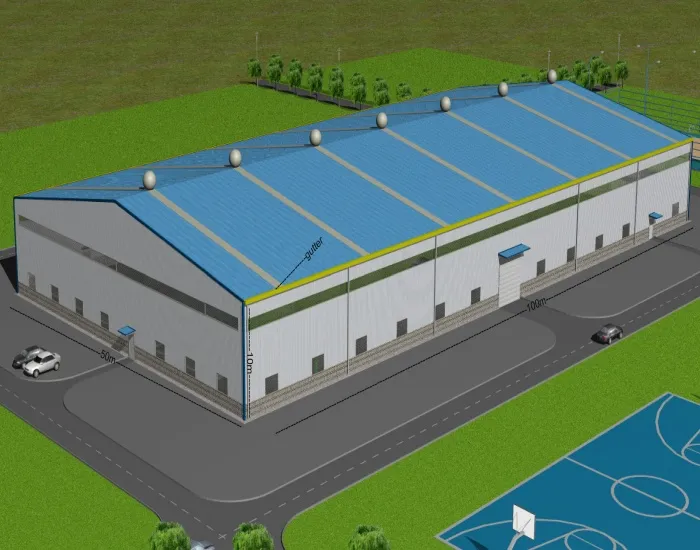
Selecting sustainable building materials is essential. For the structure of the church, we can consider Steel Church Building. Steel is a highly sustainable material. It's strong, durable, and can be recycled at the end of its life. Using steel for the church's frame not only provides a long - lasting structure but also reduces the environmental impact compared to traditional building materials like wood.
When it comes to the interior finishes, we can choose materials like bamboo flooring. Bamboo is a fast - growing plant that can be harvested sustainably. It's also very durable and has a beautiful appearance. For wall coverings, we can use recycled materials or paints with low volatile organic compounds (VOCs). These paints are better for the indoor air quality and have less of an impact on the environment.
Green Roofs
Green roofs are becoming increasingly popular in sustainable building. A green roof is a roof covered with vegetation. It provides several benefits for a church building. Firstly, it helps to insulate the building, reducing energy consumption for heating and cooling. Secondly, it absorbs rainwater, reducing stormwater runoff. This is especially important in urban areas where stormwater can cause flooding and water pollution.


The green roof also creates a habitat for birds and insects, adding to the biodiversity of the area. We can plant a variety of native plants on the green roof, which are well - adapted to the local climate and require less maintenance.
Community Engagement
Sustainable church building is not just about the physical structure; it's also about engaging the community. Churches can organize educational events about sustainability for their members. This can include workshops on energy conservation, water management, and recycling.
By involving the community in sustainable practices, the church can become a role model in the area. Members can learn how to apply these practices in their own homes and lives, creating a ripple effect that benefits the entire community.
Cost - Effectiveness
Some people might think that sustainable building practices are expensive, but in the long run, they can actually save money. For example, energy - efficient design and water conservation measures reduce utility bills. The use of durable and sustainable materials means less maintenance and replacement costs over time.
A steel church building, for instance, requires less maintenance compared to a wooden structure. It's resistant to pests, rot, and fire, which can save a significant amount of money in the long term. Additionally, the energy savings from proper insulation and efficient lighting can quickly offset the initial investment in these sustainable features.
Future - Proofing
As the world becomes more conscious of environmental issues, sustainable building practices are not just a trend; they're a necessity. By building churches with sustainability in mind, we're future - proofing these buildings. They'll be better equipped to meet the changing environmental regulations and the needs of the community in the coming years.
Conclusion
In conclusion, there are many sustainable building practices that can be applied to church buildings. From energy - efficient design and water conservation to the use of sustainable materials and green roofs, these practices not only benefit the environment but also the church and the community. As a church building supplier, I'm committed to promoting and implementing these practices in every project we undertake.
If you're interested in building a sustainable church or want to learn more about our sustainable building solutions, I encourage you to reach out. We're here to help you create a beautiful, functional, and environmentally friendly church building that will serve your community for generations to come.
References
- "Sustainable Building Design for Religious Institutions" by XYZ Publishing
- "The Benefits of Green Roofs in Church Construction" from ABC Journal
- "Energy - Efficient Building Practices for Churches" by DEF Research Group