


As a supplier of prefabricated steel buildings, I've witnessed firsthand the growing demand for these structures across various industries. One crucial aspect that often gets overlooked but significantly impacts the functionality and comfort of these buildings is lighting. In this blog, I'll explore the different lighting options available for prefabricated steel buildings, helping you make an informed decision for your project.
Understanding the Lighting Needs of Prefabricated Steel Buildings
Before delving into the lighting options, it's essential to understand the unique lighting requirements of prefabricated steel buildings. These structures are commonly used for warehouses, factories, workshops, and agricultural facilities, each with its own lighting needs.
Warehouses, for example, require bright, uniform lighting to ensure safe and efficient material handling. Factories and workshops need task - specific lighting to support detailed work processes. Agricultural facilities may need lighting that mimics natural light to promote plant growth or support livestock activities.
Natural Lighting
One of the most energy - efficient and cost - effective lighting options for prefabricated steel buildings is natural lighting. There are several ways to incorporate natural light into these structures.
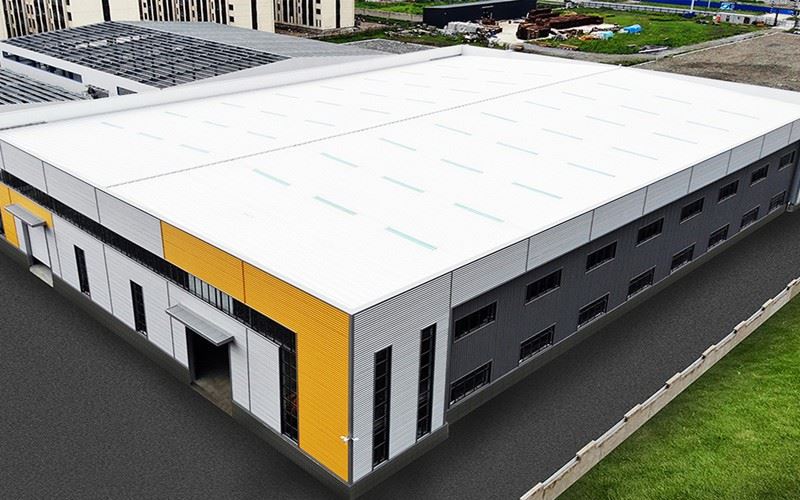

Roof Monitors
Roof monitors are a popular choice. They are vertical projections on the roof that allow sunlight to enter the building from multiple angles. By strategically placing roof monitors, you can evenly distribute natural light throughout the interior space. This not only reduces the need for artificial lighting during the day but also creates a more pleasant working environment.
Skylights
Skylights are another excellent option. They can be installed on the roof to let in direct sunlight. There are different types of skylights, such as fixed skylights, which are simple and cost - effective, and ventilating skylights, which can also provide air circulation in addition to lighting. When choosing skylights, it's important to consider factors like their size, orientation, and the quality of glazing to ensure maximum energy efficiency.
The benefits of natural lighting are numerous. It reduces energy consumption, lowers electricity bills, and can improve the health and well - being of occupants. Exposure to natural light has been linked to increased productivity, better mood, and reduced eye strain. For more information about prefabricated steel buildings, you can visit What Is Prefabricated Warehouse Building.
Artificial Lighting
While natural lighting is ideal, artificial lighting is still necessary, especially during the evening or in areas where natural light cannot reach. There are several types of artificial lighting options for prefabricated steel buildings.
LED Lighting
LED (Light - Emitting Diode) lighting has become the go - to choice for many prefabricated steel building owners. LED lights are highly energy - efficient, consuming up to 80% less energy than traditional incandescent bulbs. They also have a long lifespan, which means less frequent replacement and lower maintenance costs.
LED lights come in a variety of color temperatures, allowing you to choose the right lighting for different applications. For example, a cooler color temperature (around 5000K - 6500K) is suitable for warehouses and workshops where high - visibility is required, while a warmer color temperature (around 2700K - 3000K) can be used in areas where a more relaxed atmosphere is desired.
High - Intensity Discharge (HID) Lighting
HID lighting includes metal halide and high - pressure sodium lamps. Metal halide lamps produce a bright, white light that is similar to natural daylight. They are commonly used in large - scale industrial and commercial buildings, such as warehouses and factories. High - pressure sodium lamps, on the other hand, emit a yellow - orange light and are more energy - efficient than metal halide lamps. They are often used in outdoor areas or in buildings where color rendering is not a critical factor.
Fluorescent Lighting
Fluorescent lighting is also a popular option. It is more energy - efficient than incandescent bulbs and provides a relatively uniform light distribution. There are different types of fluorescent lamps, such as T8 and T5 lamps. T8 lamps are more commonly used in general lighting applications, while T5 lamps are more energy - efficient and are often used in areas where high - intensity lighting is required.
Lighting Controls
In addition to choosing the right type of lighting, implementing lighting controls can further enhance energy efficiency and reduce costs.
Occupancy Sensors
Occupancy sensors can detect when a space is occupied or vacant. When the sensor detects no movement in a room, it automatically turns off the lights, saving energy. These sensors are particularly useful in areas that are not continuously occupied, such as storage areas or break rooms.
Daylight Sensors
Daylight sensors work by adjusting the intensity of artificial lighting based on the amount of natural light available. As the natural light level increases, the artificial lights dim, and vice versa. This ensures that the overall lighting level in the building remains consistent while minimizing energy consumption.
Case Studies
Let's take a look at some real - world examples of lighting solutions in prefabricated steel buildings.
A large - scale 40m × 25m Prefabricated Steel Warehouse – High Strength, Quick Installation, And Economical incorporated a combination of natural and artificial lighting. The warehouse had roof monitors installed on the roof to provide natural light during the day. For artificial lighting, LED lights were used throughout the interior, with occupancy sensors in the less - frequented areas. This combination resulted in a significant reduction in energy consumption and improved visibility for warehouse workers.
Another example is a 10000 Sq ft Warehouse that used skylights and high - intensity LED lighting. The skylights provided natural light during the day, and the LED lights were programmed to dim when there was sufficient natural light. This setup not only saved energy but also created a well - lit and productive working environment.
Conclusion
Choosing the right lighting options for prefabricated steel buildings is crucial for both functionality and energy efficiency. By combining natural lighting with the appropriate artificial lighting and implementing lighting controls, you can create a well - lit, comfortable, and cost - effective space.
Whether you're building a warehouse, a factory, or an agricultural facility, there are lighting solutions available to meet your specific needs. If you're considering a prefabricated steel building project and need more information about lighting options or other aspects of these structures, don't hesitate to reach out. Our team of experts is ready to assist you in making the best choices for your project. We can guide you through the process of selecting the right lighting system and ensure that your prefabricated steel building meets all your requirements.
References
- "Lighting for Industrial Buildings" by the Illuminating Engineering Society
- "Energy - Efficient Lighting Solutions for Commercial Buildings" by the U.S. Department of Energy
- "The Impact of Natural Light on Human Health and Productivity" in the Journal of Environmental Psychology


