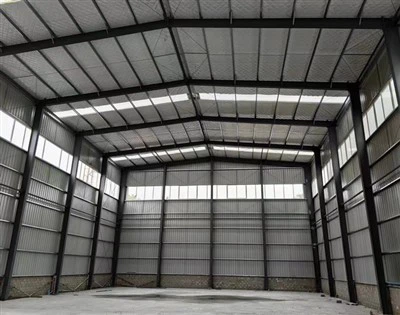
What are the environmental impacts of constructing a farm steel structure building?
As a supplier of farm steel structure buildings, I've witnessed firsthand the growing popularity of these structures in the agricultural sector. They offer numerous advantages, such as durability, cost - effectiveness, and quick installation. However, it's crucial to understand the environmental impacts associated with their construction.
1. Raw Material Extraction and Production
The primary raw material for steel structure buildings is steel, which is mainly derived from iron ore. The extraction of iron ore has significant environmental implications. Mining operations can lead to deforestation, soil erosion, and water pollution. Large - scale open - pit mines disrupt natural habitats, displacing wildlife and causing long - term damage to ecosystems.
During the production of steel, vast amounts of energy are consumed. The traditional steel - making process involves high - temperature furnaces, which burn fossil fuels like coal. This releases large quantities of greenhouse gases, primarily carbon dioxide (CO₂), into the atmosphere. According to industry reports, the steel industry is one of the largest industrial emitters of CO₂ globally.
However, advancements in steel production technologies are making a difference. Many steel manufacturers are now adopting more sustainable practices. For example, some are using electric arc furnaces, which can recycle scrap steel. Recycling steel reduces the need for virgin iron ore extraction and significantly cuts down on energy consumption and CO₂ emissions. When sourcing steel for our farm steel structure buildings, we always prioritize suppliers who follow these sustainable production methods.


2. Transportation
Transporting the steel materials from the production facilities to the construction site also has an environmental impact. Trucks, trains, and ships are commonly used for this purpose, and they rely on fossil fuels. The combustion of these fuels releases pollutants such as nitrogen oxides (NOₓ), particulate matter (PM), and CO₂.
The distance between the steel mill and the construction site plays a crucial role in determining the transportation - related environmental impact. To minimize this, we strive to source steel from local suppliers whenever possible. By reducing the transportation distance, we can cut down on fuel consumption and emissions. Additionally, we are exploring the use of more fuel - efficient transportation methods and working with logistics partners who are committed to reducing their carbon footprint.
3. Construction Process
The construction of a farm steel structure building involves several activities that can impact the environment. During the site preparation phase, land clearing may be required. This can lead to the destruction of natural vegetation, which is essential for soil conservation and habitat protection. It can also increase the risk of soil erosion, especially if proper erosion control measures are not in place.
The construction process itself generates a significant amount of waste. Steel off - cuts, packaging materials, and other construction debris need to be managed properly. If not disposed of correctly, these waste materials can end up in landfills, contributing to environmental pollution. To address this issue, we have implemented a waste management plan on our construction sites. We separate recyclable materials from non - recyclable ones and ensure that steel off - cuts are recycled.
4. Energy Efficiency of the Building
One of the positive environmental aspects of farm steel structure buildings is their potential for energy efficiency. Steel buildings can be designed with high - performance insulation materials, which help to reduce heat transfer. This means that less energy is required for heating and cooling the building, resulting in lower energy consumption and greenhouse gas emissions.
We also encourage the integration of renewable energy sources into our farm steel structure buildings. For example, solar panels can be installed on the roof to generate electricity. This not only reduces the building's reliance on the grid but also contributes to a more sustainable energy future. By promoting energy - efficient design and the use of renewable energy, we can help our customers minimize the environmental impact of their farm operations.
5. End - of - Life Considerations
At the end of its useful life, a farm steel structure building can be recycled. Steel is one of the most recyclable materials, and recycling steel requires only a fraction of the energy needed to produce new steel. By recycling the steel from our buildings, we can reduce the demand for virgin materials and minimize the environmental impact associated with steel production.
However, proper decommissioning and recycling processes need to be in place. We work with recycling facilities to ensure that the steel from our buildings is recycled in an environmentally friendly manner. This includes removing any non - steel components, such as insulation and roofing materials, and separating them for appropriate disposal or recycling.
6. Comparing with Other Building Materials
When considering the environmental impact of farm steel structure buildings, it's important to compare them with other building materials. For example, traditional brick and concrete buildings require large amounts of energy for production. The production of cement, a key component of concrete, is a major source of CO₂ emissions.
In contrast, steel buildings have a relatively lower environmental impact in terms of energy consumption during construction and the potential for recycling. They also offer a longer lifespan, which means less frequent reconstruction and less waste generation over time.
7. Conclusion and Call to Action
In conclusion, while the construction of farm steel structure buildings has some environmental impacts, there are also many opportunities to mitigate these effects. By using sustainable steel production methods, reducing transportation emissions, implementing proper waste management, and promoting energy efficiency, we can minimize the environmental footprint of these buildings.
If you're considering a Prefabricated Warehouse, Prefabricated Steel Warehouse, or Steel Structure Warehouse for your farm, we invite you to contact us. Our team of experts can provide you with detailed information about the environmental benefits of our steel structure buildings and help you make an informed decision. We are committed to providing sustainable solutions that meet your agricultural needs while minimizing the impact on the environment.
References
- World Steel Association. (2023). Steel and Sustainability.
- Environmental Protection Agency. (2023). Construction and Demolition Debris Recycling.
- International Energy Agency. (2023). Energy Efficiency in the Steel Industry.