


In the era of sustainable development, energy conservation has become a crucial consideration in the construction industry. As a supplier of Modern Prefab Steel Buildings, I've witnessed firsthand the growing demand for energy - efficient solutions. In this blog, I'll explore various energy - saving strategies for modern prefab steel buildings, highlighting how these methods can not only reduce environmental impact but also offer long - term cost savings for our clients.
Insulation Upgrades
One of the most fundamental energy - saving strategies for prefab steel buildings is to improve insulation. Steel buildings, by nature, can be prone to heat transfer due to the high thermal conductivity of steel. However, by using high - quality insulation materials, we can significantly reduce this heat transfer.
There are several types of insulation suitable for prefab steel buildings. Fiberglass insulation is a popular choice. It's cost - effective and easy to install. Fiberglass insulation works by trapping air within its fibers, creating a barrier against heat flow. Another option is spray foam insulation. Spray foam adheres well to the steel structure, filling in even the smallest gaps and crevices. It provides a seamless insulation layer, which can be particularly effective in preventing air leakage.
By investing in proper insulation, we can ensure that the interior temperature of the building remains stable. In the winter, less heat escapes, reducing the need for heating systems. In the summer, less heat enters, decreasing the reliance on air - conditioning. This translates into lower energy consumption and reduced utility bills for the building owners.
Energy - Efficient Windows and Doors
Windows and doors are areas where a significant amount of energy can be lost in a building. For prefab steel buildings, choosing energy - efficient windows and doors is essential.
Low - emissivity (Low - E) windows are a great option. These windows have a special coating that reflects infrared light while allowing visible light to pass through. This means that in the winter, they can reflect heat back into the building, and in the summer, they can block out the sun's heat. Double - or triple - pane windows also enhance energy efficiency. The multiple layers of glass with air or gas in between act as an additional insulation barrier, reducing heat transfer.
When it comes to doors, insulated steel doors are a popular choice for prefab steel buildings. They are durable and can provide good thermal insulation. Additionally, proper sealing around windows and doors is crucial. Weatherstripping and caulking can prevent air leakage, further improving the energy efficiency of the building.
Solar Power Integration
Solar power is a renewable energy source that can be a game - changer for modern prefab steel buildings. As a flat - roofed structure, prefab steel buildings are often well - suited for solar panel installation.
Installing solar panels on the roof of a prefab steel building allows the building to generate its own electricity. This can significantly reduce the building's reliance on the grid. Over time, the savings on electricity bills can offset the initial cost of the solar panel installation.
There are different types of solar panels available, such as monocrystalline, polycrystalline, and thin - film solar panels. Monocrystalline panels are known for their high efficiency, while thin - film panels are more flexible and can be a good option for irregularly shaped roofs.
Moreover, with the development of energy storage systems like batteries, excess electricity generated by the solar panels during the day can be stored for use at night or during cloudy days. This ensures a continuous and reliable power supply for the building.

Design Optimization
The design of a prefab steel building plays a vital role in its energy efficiency. By optimizing the building's layout and orientation, we can take advantage of natural light and ventilation.
Orienting the building in the right direction can maximize sunlight exposure. For example, in the northern hemisphere, positioning the building to face south allows for more sunlight to enter during the winter months. This can reduce the need for artificial lighting and heating.
In addition, incorporating large skylights or light - tubes can bring in natural light deep into the building. This not only reduces energy consumption for lighting but also creates a more pleasant and productive indoor environment.
Natural ventilation is another important aspect of design optimization. By strategically placing windows and vents, we can create cross - ventilation, allowing fresh air to flow through the building. This can reduce the need for mechanical ventilation systems during the milder seasons, saving energy.
Energy - Efficient Lighting Systems
Lighting accounts for a significant portion of a building's energy consumption. For prefab steel buildings, switching to energy - efficient lighting systems can lead to substantial energy savings.
LED (Light - Emitting Diode) lights are a popular choice. They are highly energy - efficient, consuming up to 80% less energy than traditional incandescent bulbs. LED lights also have a longer lifespan, reducing the frequency of replacements.
In addition to using energy - efficient bulbs, implementing lighting controls can further enhance energy savings. Occupancy sensors can automatically turn off lights when a room is unoccupied, while daylight sensors can adjust the brightness of artificial lights based on the amount of natural light available.
High - Efficiency HVAC Systems
Heating, ventilation, and air - conditioning (HVAC) systems are major energy consumers in buildings. For prefab steel buildings, installing high - efficiency HVAC systems is crucial.
Variable Refrigerant Flow (VRF) systems are a great option. These systems can adjust the amount of refrigerant flowing to different zones in the building based on the actual cooling or heating demand. This results in more precise temperature control and reduced energy waste.
Energy - efficient heat pumps are also popular. They can both heat and cool a building by transferring heat between the indoor and outdoor environments. Heat pumps are more energy - efficient than traditional heating and cooling systems, especially in moderate climates.
Regular maintenance of HVAC systems is also essential to ensure their optimal performance. This includes cleaning filters, checking refrigerant levels, and inspecting ductwork for leaks.
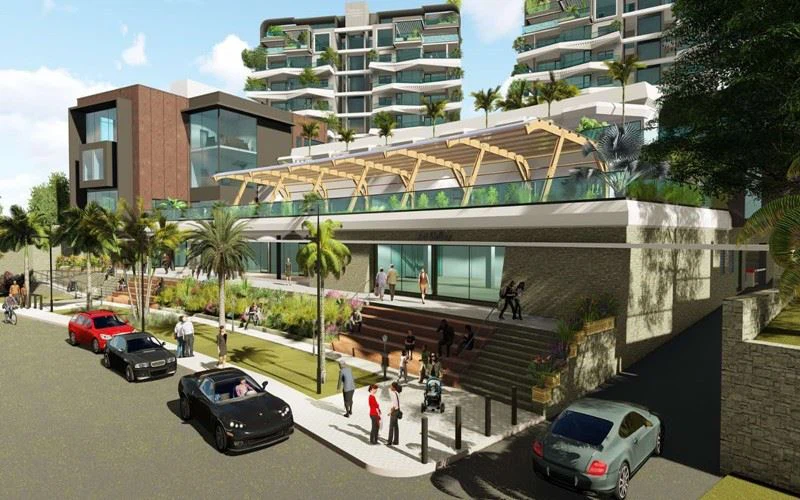
Green Roofs
Green roofs are an innovative energy - saving strategy for prefab steel buildings. A green roof consists of a layer of vegetation planted on top of the building's roof.
Green roofs provide several energy - saving benefits. They act as an additional insulation layer, reducing heat transfer between the roof and the interior of the building. In the summer, the plants on the green roof absorb sunlight and release moisture through transpiration, which cools the roof surface. In the winter, the soil and plants provide insulation, reducing heat loss.
Green roofs also help to manage stormwater runoff. They absorb rainwater, reducing the burden on the building's drainage system and the local sewer system.
Case Study: [A Real - World Example of an Energy - Efficient Prefab Steel Building]
To illustrate the effectiveness of these energy - saving strategies, let's take a look at a real - world example. A Steel structure hotel we supplied utilized a combination of insulation upgrades, energy - efficient windows and doors, solar power integration, and design optimization.
The hotel installed high - quality spray foam insulation in the walls and roof, which significantly reduced heat transfer. Energy - efficient Low - E windows and insulated steel doors were used throughout the building, preventing air leakage. A large solar panel system was installed on the roof, generating a significant portion of the hotel's electricity needs.
The building was designed with large skylights and light - tubes to maximize natural light, and cross - ventilation was incorporated through strategic window placement. As a result, the hotel experienced a 30% reduction in energy consumption compared to similar non - energy - efficient buildings. This not only saved the hotel money on utility bills but also enhanced its reputation as an environmentally friendly establishment.
Conclusion
As a supplier of Modern Prefab Steel Buildings, I'm committed to providing our clients with energy - efficient solutions. By implementing strategies such as insulation upgrades, energy - efficient windows and doors, solar power integration, design optimization, energy - efficient lighting systems, high - efficiency HVAC systems, and green roofs, we can create prefab steel buildings that are not only sustainable but also cost - effective in the long run.
If you're interested in learning more about our energy - saving prefab steel buildings or would like to discuss a potential project, I encourage you to reach out. We're here to help you make the most energy - efficient and environmentally friendly choices for your building needs.
References
- "Energy - Efficient Building Design Handbook" by the American Society of Heating, Refrigerating and Air - Conditioning Engineers (ASHRAE).
- "Solar Power for Buildings" by the International Renewable Energy Agency (IRENA).
- "Insulation Materials and Applications" by the Insulation Contractors Association of America (ICAA).


