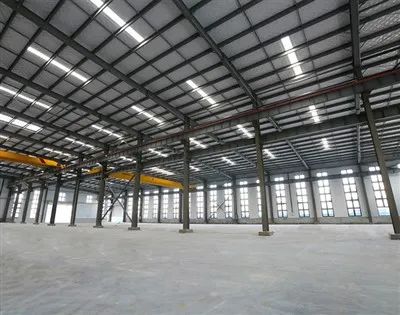
Installing ventilation fans in poultry farm buildings is crucial for the health and well - being of your birds. As a poultry farm buildings supplier, I've seen firsthand how proper ventilation can make a huge difference in the overall productivity and comfort of the farm. In this blog, I'll walk you through the steps of installing ventilation fans in your poultry farm buildings.
Why Ventilation Fans Matter
Before we dive into the installation process, let's talk about why ventilation fans are so important. Poultry produce a lot of heat, moisture, and harmful gases like ammonia. Without proper ventilation, these elements can build up, leading to poor air quality. This can cause respiratory problems for the birds, lower their immune system, and even result in reduced egg production or growth rates.
Good ventilation helps to remove the stale air, brings in fresh air, and regulates the temperature and humidity inside the building. It also helps reduce the concentration of dust and pathogens, creating a healthier environment for the chickens.
Step 1: Planning Your Ventilation System
The first step in installing ventilation fans is to plan your system. You need to consider the size of your Chicken Farm Building, the number of birds you have, and the climate in your area.
- Determine the Ventilation Rate: The ventilation rate is the amount of air that needs to be exchanged per minute. This depends on the number of birds and their age. As a general rule, younger birds need less ventilation than older ones. You can find ventilation rate charts online or consult with a poultry ventilation expert to figure out the right rate for your farm.
- Choose the Right Fan Type: There are different types of ventilation fans available, such as exhaust fans, intake fans, and circulation fans. Exhaust fans are used to remove stale air from the building, while intake fans bring in fresh air. Circulation fans help distribute the air evenly inside the building. You may need a combination of these fans to achieve proper ventilation.
Step 2: Selecting the Fans
Once you've planned your ventilation system, it's time to select the fans. Here are some factors to consider:
- Size and Capacity: The size and capacity of the fan should match the ventilation rate you calculated earlier. A fan that is too small won't be able to provide enough airflow, while a fan that is too large will waste energy.
- Energy Efficiency: Look for fans that are energy - efficient. This will save you money on your electricity bills in the long run. Fans with high - efficiency motors and aerodynamic blades are usually more energy - efficient.
- Durability: Since the fans will be operating in a poultry environment, they need to be durable. Look for fans that are made of corrosion - resistant materials and have a long lifespan.
Step 3: Preparing for Installation
Before you start installing the fans, you need to prepare the building.
- Mark the Installation Locations: Based on your ventilation plan, mark the locations where you'll install the fans. Make sure there is enough space around the fans for proper airflow. You also need to ensure that the fans are installed at the right height.
- Gather the Tools and Materials: You'll need tools like drills, screws, wrenches, and a ladder. You'll also need mounting brackets, ductwork (if necessary), and electrical wiring. Make sure you have all the necessary tools and materials before you start the installation.
Step 4: Installing the Fans
Now it's time to install the fans. Here's a general guide on how to do it:
- Install the Mounting Brackets: First, install the mounting brackets at the marked locations. Use the drill and screws to secure the brackets to the wall or ceiling. Make sure the brackets are level and sturdy.
- Attach the Fans to the Brackets: Once the brackets are installed, attach the fans to them. Follow the manufacturer's instructions for attaching the fans. Make sure the fans are tightly secured to the brackets.
- Connect the Electrical Wiring: Connect the electrical wiring to the fans. If you're not experienced with electrical work, it's best to hire a qualified electrician to do this for you. Make sure the wiring is properly insulated and grounded to prevent electrical hazards.
Step 5: Installing Ductwork (if necessary)
If your ventilation system requires ductwork, here's how you can install it:


- Cut and Fit the Ducts: Measure and cut the ductwork to the right length. Use duct tape or clamps to connect the ducts together. Make sure the connections are airtight to prevent air leakage.
- Connect the Ducts to the Fans: Connect the ducts to the intake or exhaust ports of the fans. Again, make sure the connections are airtight.
Step 6: Testing the Ventilation System
After installing the fans and ductwork (if any), it's important to test the ventilation system.
- Turn on the Fans: Turn on the fans and check if they are working properly. Listen for any unusual noises or vibrations. If you notice any issues, turn off the fans immediately and check the installation.
- Check the Airflow: Use an anemometer to measure the airflow at different points inside the building. Make sure the airflow is consistent and meets the ventilation rate you calculated earlier. You may need to adjust the position or speed of the fans to achieve the right airflow.
Step 7: Maintenance
Once the ventilation system is installed and working properly, you need to maintain it regularly.
- Clean the Fans: Clean the fans regularly to remove dust, dirt, and debris. This will help keep the fans running efficiently. You can use a soft brush or compressed air to clean the fans.
- Check the Electrical Connections: Check the electrical connections periodically to make sure they are tight and free of corrosion. Loose or corroded connections can cause electrical problems and reduce the lifespan of the fans.
- Replace Worn - out Parts: Replace any worn - out parts, such as belts or bearings, as soon as you notice a problem. This will help prevent breakdowns and keep the ventilation system running smoothly.
If you're looking to set up a new Chicken Farm Shed or Steel Poultry Shed and need help with ventilation fan installation or have questions about our poultry farm building products, we're here to assist. Feel free to reach out to us to discuss your specific needs and requirements. We can provide you with the right solutions to ensure your poultry farm is a success.
References
- Poultry Ventilation Handbook
- Agricultural Engineering Guidelines for Poultry Farms