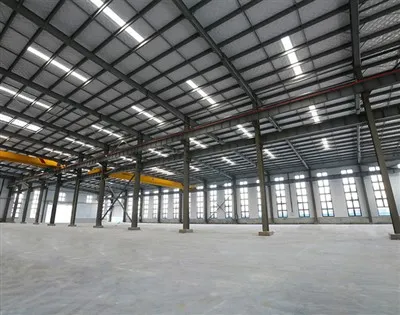
Hey there! I'm a supplier of Modern Prefab Steel Buildings, and today I'm gonna walk you through how to install a ventilation fan in one of these modern prefab steel buildings. Ventilation is super important in any building, and it's especially crucial in prefab steel structures to keep the air fresh and prevent issues like moisture buildup and stuffy air.
Why You Need a Ventilation Fan
Before we dive into the installation process, let's quickly talk about why you need a ventilation fan in your prefab steel building. These buildings are great because they're durable and easy to set up, but they can sometimes trap heat and humidity. A ventilation fan helps to remove stale air, bring in fresh air from the outside, and keep the temperature and humidity levels in check. This not only makes the building more comfortable to be in but also helps to protect your equipment and stored items from damage caused by moisture.
Tools and Materials You'll Need
To install a ventilation fan in your prefab steel building, you'll need the following tools and materials:
- Ventilation fan: Make sure to choose a fan that's the right size for your building. You can find fans with different airflow capacities, so pick one that suits your needs.
- Screwdriver: You'll need a screwdriver to remove and install screws.
- Drill: A drill will come in handy for making holes in the steel wall.
- Measuring tape: Use a measuring tape to measure the dimensions of the fan and the area where you'll be installing it.
- Sealant: Sealant helps to prevent air and water leaks around the fan.
- Electrical wiring: You'll need to connect the fan to a power source, so make sure you have the right electrical wiring.
Step-by-Step Installation Process
Now that you have all the tools and materials you need, let's get started with the installation process.
Step 1: Choose the Right Location
The first step is to choose the right location for your ventilation fan. You want to install the fan in a place where it can effectively remove stale air from the building. A good location is usually near the ceiling or on a wall where the air tends to accumulate. Make sure there are no obstructions in the way of the fan's airflow.
Step 2: Measure and Mark the Installation Area
Once you've chosen the location, use a measuring tape to measure the dimensions of the fan. Then, mark the area on the steel wall where you'll be installing the fan. Make sure the markings are accurate and straight.
Step 3: Drill Holes
Using a drill, carefully drill holes in the steel wall according to the markings you made. Make sure the holes are the right size for the screws that will hold the fan in place.
Step 4: Install the Fan
Place the fan over the holes you drilled and align it with the markings. Then, use a screwdriver to insert the screws through the holes in the fan and into the steel wall. Tighten the screws securely to hold the fan in place.
Step 5: Connect the Electrical Wiring
Next, you'll need to connect the electrical wiring to the fan. Make sure you follow the manufacturer's instructions for connecting the wiring. If you're not comfortable working with electrical wiring, it's best to hire a professional electrician to do it for you.
Step 6: Seal the Edges
To prevent air and water leaks around the fan, apply a sealant around the edges of the fan. Make sure the sealant is evenly applied and covers all the gaps.
Step 7: Test the Fan
Once you've installed the fan and connected the electrical wiring, it's time to test the fan. Turn on the power and see if the fan is working properly. Check for any unusual noises or vibrations. If everything seems to be working fine, you're all set!
Tips and Tricks
- Make sure to choose a ventilation fan that's suitable for the size of your building. A fan that's too small won't be able to effectively remove stale air, while a fan that's too large will use more energy than necessary.
- If you're installing the fan in a high-traffic area, consider using a fan with a built-in speed control. This will allow you to adjust the fan speed according to your needs.
- Regularly clean the fan to keep it working efficiently. Dust and debris can accumulate on the fan blades and reduce its performance.
- If you're not sure how to install the ventilation fan, don't hesitate to ask for help. You can consult the manufacturer's instructions or hire a professional installer.
Other Applications of Prefab Steel Buildings
Prefab steel buildings are not only great for industrial and commercial use but also have many other applications. For example, you can use them as Steel Bus Station, providing a durable and cost-effective solution for public transportation. They can also be used as Steel Structure Shopping Mall, offering a modern and flexible space for retail businesses. And if you need a place to store your agricultural equipment or supplies, a Prefabricated Storage Shed made of prefab steel is a great choice.
Contact Us for Your Prefab Steel Building Needs
If you're interested in purchasing a prefab steel building or need more information about ventilation fan installation, feel free to contact us. We're here to help you find the right solution for your needs. Whether you're looking for a small storage shed or a large commercial building, we have a wide range of options to choose from. So don't hesitate to reach out and start the conversation!


References
- Manufacturer's instructions for the ventilation fan
- General knowledge about prefab steel building construction and ventilation systems