Designing indoor sports courts in a sports building is a complex yet rewarding process. As a supplier of sports buildings, I've been involved in numerous projects, witnessing firsthand the intricate details that go into creating the perfect sports court environment. In this blog, I'll share some key insights and considerations to help you design top - notch indoor sports courts.
Understanding the Requirements
The first step in designing indoor sports courts is to understand the specific requirements of the users. Different sports have different space, surface, and equipment needs. For example, basketball requires a large, flat area with a high - quality hardwood or synthetic surface. The court dimensions are well - defined, and there should be enough perimeter space for players to move freely. On the other hand, badminton courts need a different type of flooring, which is more suitable for quick lateral movements, and they have a smaller footprint compared to basketball courts.
If the sports building is intended for multi - sport use, things get a bit more tricky. You'll need to find a balance between the requirements of various sports. For instance, a volleyball court can share the same space as a basketball court to some extent, but the net height and the markings for the two sports are different. So, you might need to use removable or adjustable equipment to make the most of the available space.
Location and Layout
The location of the sports courts within the building is crucial. You want to ensure good visibility from the spectator areas. This means placing the courts in a central location where people can easily watch the games without any obstructions. Also, consider the flow of traffic. There should be clear pathways for players, coaches, and spectators to move in and out of the court area safely.
When it comes to the layout, think about the ancillary spaces. You'll need areas for locker rooms, showers, and storage. Locker rooms should be close to the courts for easy access, and they need to be designed for comfort and functionality. Storage areas are essential for keeping sports equipment, such as balls, nets, and uniforms, organized.
Surface Selection
Choosing the right surface for the sports court is one of the most important decisions. There are several options available, each with its own pros and cons.
Hardwood floors are a classic choice for basketball and volleyball courts. They offer excellent traction and a natural feel underfoot. However, they can be expensive to install and maintain. You need to regularly refinish the floors to keep them in good condition, and they are prone to scratches and dents.
Synthetic surfaces are becoming increasingly popular. They are more durable than hardwood floors and require less maintenance. Synthetic surfaces can be customized to provide different levels of shock absorption, which helps reduce the risk of injuries. They also come in a variety of colors, allowing you to create a unique look for your sports court.
For sports like badminton and table tennis, specialized flooring materials are available. These surfaces are designed to offer the right amount of grip and bounce for the specific sport.
Lighting and Ventilation
Proper lighting is essential for any indoor sports court. You need to ensure that the entire court area is well - lit, with no dark spots. This not only helps players perform better but also enhances the spectator experience. LED lighting is a great option these days. It is energy - efficient, long - lasting, and can be adjusted to different levels of brightness.
Ventilation is another critical aspect. During sports activities, players generate a lot of heat and moisture. Without proper ventilation, the air inside the building can become stuffy and uncomfortable. A good ventilation system will help remove the stale air and bring in fresh air, creating a healthier environment for everyone.
Equipment and Amenities
The right equipment is a must for any sports court. This includes the goals, nets, hoops, and other sports - specific gear. Make sure to choose high - quality equipment that meets the standards of the relevant sports organizations.


In addition to the sports equipment, consider the amenities for the players and spectators. Comfortable seating, concession stands, and first - aid stations are all important. Seating should be arranged in a way that provides a good view of the court from all angles. Concession stands can offer snacks and drinks to keep everyone energized during the games.
Building Structure
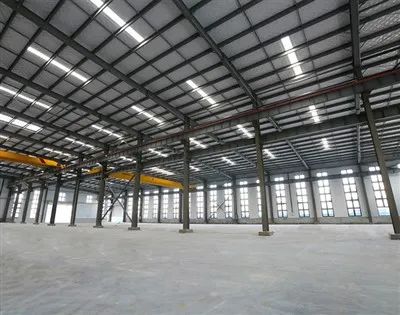
As a sports building supplier, I know that the structure of the building plays a significant role in the design of the sports courts. Metal Sports Building and [Steel Sports Hall](https://www. ab.com/public - steel - buildings/sports - buildings/steel - sports - hall.html) are popular choices for sports facilities. They offer a lot of advantages, such as durability, flexibility in design, and cost - effectiveness.
Metal and steel structures can be easily customized to accommodate different court sizes and layouts. They also provide a large, open space without the need for too many interior columns, which is ideal for sports courts. Moreover, these structures are resistant to fire, pests, and weather conditions, ensuring a long - lasting and safe sports environment.
Cost Considerations
Designing indoor sports courts involves a significant investment. You need to consider all the costs, including the cost of the building structure, the flooring, the equipment, and the installation. It's important to set a budget early on and look for ways to optimize costs without compromising on quality.
For example, you can compare different suppliers of building materials and equipment to get the best deals. You might also be able to save money by choosing a modular or pre - fabricated building design, which can reduce construction time and labor costs.
Sustainability
In today's world, sustainability is a key consideration in any building project. When designing indoor sports courts, you can incorporate sustainable features such as energy - efficient lighting and ventilation systems, recycled building materials, and rainwater harvesting. These features not only help protect the environment but can also save you money in the long run by reducing energy and water consumption.
Conclusion
Designing indoor sports courts in a sports building is a multi - faceted process that requires careful planning and attention to detail. By understanding the requirements of the sports, choosing the right location and layout, selecting the appropriate surface, ensuring proper lighting and ventilation, and providing the necessary equipment and amenities, you can create a world - class sports facility.
If you're in the process of planning an indoor sports court project or are interested in learning more about our sports building solutions, I encourage you to reach out for a procurement discussion. We're here to help you turn your vision into a reality.
References
- Sports Facility Design Handbook: A Comprehensive Guide to the Design, Construction, and Renovation of Sports Venues.
- Journal of Sports Engineering and Technology for the latest research on sports court surfaces and equipment.