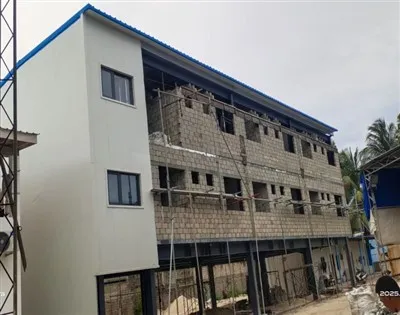
Designing a poultry farm building for organic poultry is a task that requires a blend of modern agricultural knowledge with sustainable and organic principles. As a poultry farm buildings supplier, I've seen firsthand the importance of creating an environment that not only meets the needs of the birds but also adheres to organic farming standards. In this blog, I'll share some key aspects of designing such a building.
Location and Site Selection
The first step in designing an organic poultry farm building is choosing the right location. The site should have good drainage to prevent waterlogging, which can lead to health issues for the birds. It should also be away from sources of pollution, such as industrial areas or busy roads. Natural sunlight is crucial for the well - being of the poultry, so the site should receive ample sunlight throughout the day.


Another important factor is access to clean water. Organic poultry farming requires a constant supply of fresh, clean water. The site should be close to a reliable water source, or a water storage and purification system should be installed.
Building Structure
When it comes to the building structure, there are several options available. One popular choice is a Steel Poultry House. Steel buildings are durable, easy to construct, and can be customized to meet the specific needs of the organic poultry farm. They offer good insulation, which helps in maintaining a stable temperature inside the building.
A Chicken Farm Building can also be designed in different styles. For organic poultry, a building with a large open - floor plan is often preferred. This allows the birds to move freely, which is in line with organic farming principles. The building should also have proper ventilation to remove moisture, ammonia, and other harmful gases.
Interior Design
The interior of the poultry farm building should be designed to provide a comfortable and healthy environment for the birds. Flooring is an important consideration. For organic poultry, a bedding material like straw or wood shavings can be used. This not only provides a soft surface for the birds to walk on but also helps in absorbing moisture and odors.
Roosting areas are also essential. The roosts should be placed at a suitable height and spaced appropriately to allow all the birds to rest comfortably. Nesting boxes should be provided for egg - laying hens. These boxes should be clean, dry, and quiet to encourage the hens to lay eggs.
Feed and Water Systems
In an organic poultry farm, the feed and water systems need to be carefully designed. The feed should be organic, free from synthetic pesticides, fertilizers, and genetically modified organisms (GMOs). A feeding system should be set up to ensure that the birds have access to fresh feed at all times.
The water system should be clean and free from contaminants. Automatic waterers can be used to provide a constant supply of water. It's important to regularly clean the waterers to prevent the growth of bacteria and other pathogens.
Waste Management
Proper waste management is crucial in an organic poultry farm. The manure produced by the birds can be a valuable resource if managed correctly. It can be composted and used as organic fertilizer for crops.
The building should be designed with a waste removal system. This can include a slatted floor that allows the manure to fall through into a collection area below. Regular cleaning of the building is necessary to maintain a clean and healthy environment for the birds.
Biosecurity Measures
Biosecurity is a major concern in poultry farming, especially in an organic setting. The building should be designed to prevent the entry of pests, predators, and diseases. This can include installing screens on windows and doors, using footbaths at the entrance, and having a quarantine area for new birds.
Lighting
Appropriate lighting is important for the growth and behavior of the poultry. In an organic poultry farm, natural light should be maximized. However, artificial lighting can also be used to supplement natural light during the winter months or in areas with limited sunlight. The lighting should be set on a timer to mimic the natural day - night cycle.
Cost Considerations
Designing an organic poultry farm building can be a significant investment. However, it's important to see it as a long - term investment in the health and productivity of the poultry. When considering the cost, it's important to factor in the initial construction cost, as well as the ongoing costs of maintenance, feed, and labor.
Conclusion
Designing a poultry farm building for organic poultry is a complex but rewarding process. By considering factors such as location, building structure, interior design, feed and water systems, waste management, biosecurity, and lighting, you can create a healthy and sustainable environment for your organic poultry.
If you're interested in learning more about designing an organic poultry farm building or are looking to purchase a suitable building for your farm, feel free to reach out. We're here to help you make the best decisions for your poultry farming operation.
References
- National Organic Program. (n.d.). Standards for Organic Agriculture.
- Poultry Science Association. (n.d.). Research on Poultry Housing and Welfare.