


Hey there! I'm a supplier of prefabricated hotel buildings, and today I wanna chat about how we handle waste management during construction. It's a crucial aspect that not only affects the environment but also the overall efficiency and cost - effectiveness of the project.
Understanding the Waste Generated
First off, let's talk about what kind of waste we're dealing with. When constructing prefabricated hotel buildings, we have several types of waste. On the one hand, there's the off - cuts from materials like steel, wood, and drywall. For instance, when we're cutting steel beams to the right length for the framework of a Steel structure hotel, there are bound to be some pieces left over. These off - cuts might seem small, but in large - scale construction projects, they can add up quickly.
Then there are packaging materials. We receive a ton of materials in boxes, pallets, and plastic wraps. For every batch of pre - fabricated components that we get, there's a fair amount of packaging waste. And let's not forget the waste generated from on - site equipment and machinery maintenance, like used oil and filters.
Planning for Waste Reduction
We start waste management right at the planning stage. Before we even start laying the groundwork for a hotel construction project, we conduct a detailed waste audit. This helps us understand exactly how much waste of each type we're likely to generate. Based on this audit, we set waste reduction targets.
One of the key strategies is to optimize material usage. We work closely with our design team to ensure that the prefabricated components are designed in a way that minimizes waste. For example, we use advanced software to calculate the most efficient way to cut steel sheets or wooden panels. This not only reduces waste on the cutting floor but also saves us money on materials.
Another important part of planning is to source materials from suppliers who are committed to sustainable practices. We prefer suppliers who use minimal packaging or who offer reusable packaging options. This way, we can cut down on the amount of packaging waste that ends up at the construction site.
On - Site Waste Segregation
Once the construction is underway, on - site waste segregation is crucial. We have clearly marked waste bins for different types of materials, such as metal, wood, plastic, and cardboard. Workers are trained to separate their waste into these appropriate bins. This makes it much easier to recycle or dispose of the waste later on.
For metal waste, like the steel off - cuts I mentioned earlier, we collect them in a dedicated bin. These can be recycled and reused in future construction projects. Wood waste can also be recycled, either by turning it into wood chips for landscaping or by using it as fuel in some cases. Plastic and cardboard are also recycled, reducing the amount of waste that goes to landfills.
We also have a system in place for hazardous waste. Used oil, paint cans, and batteries are collected separately and handled by certified waste management companies. This ensures that these potentially harmful materials are disposed of safely and in accordance with environmental regulations.
Recycling and Reusing
Recycling is a big part of our waste management strategy. We have partnerships with local recycling facilities to ensure that as much of the waste as possible is recycled. For example, the steel off - cuts are sent to a steel recycling plant where they're melted down and turned into new steel products. This not only reduces the demand for virgin steel but also saves energy, as recycling steel requires less energy compared to producing it from scratch.
In addition to recycling, we also look for opportunities to reuse materials on - site. Some of the smaller wooden pieces can be used for temporary structures or for bracing during construction. And if we have any leftover pre - fabricated components that are still in good condition, we can store them for future projects or use them in other parts of the hotel where the specifications allow.
Monitoring and Reporting
We don't just set waste reduction targets and forget about them. We have a system in place to monitor our waste management progress throughout the construction project. This involves regularly weighing and recording the amount of waste generated, recycled, and sent to landfills.
Based on this data, we can see if we're on track to meet our waste reduction targets. If we're falling behind, we can take corrective actions. Maybe we need to improve our material cutting processes or encourage more on - site reuse. We also compile reports on our waste management performance. These reports are not only useful for us to evaluate our own practices but also for our clients, who are increasingly interested in the environmental impact of their hotel construction projects.
Community Engagement
Waste management isn't just about what happens on the construction site; it also involves the community around it. We try to engage with the local community to promote recycling and proper waste disposal. For example, we might hold informational sessions about the waste management processes at the construction site. This helps to build a positive relationship with the community and also creates awareness about environmental issues.
We also look for opportunities to contribute to the local community's waste management efforts. Sometimes, we donate excess materials that can't be used in the hotel construction but are useful for other community projects, such as building playground equipment or community shelters.

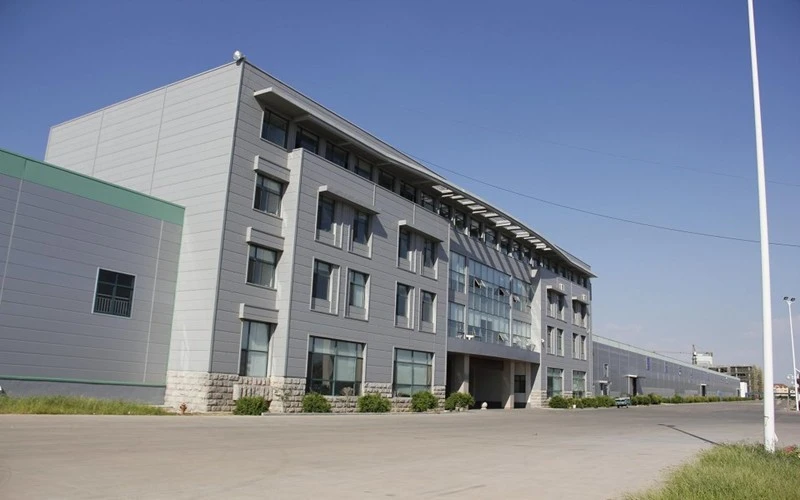
Cost - Benefit Analysis
You might be wondering, “Is all this waste management stuff really worth it?” Well, let me tell you, it is! There are definitely some upfront costs involved in setting up the waste management system, like buying the separate waste bins and training the workers. But in the long run, there are significant benefits.
First of all, recycling and reusing materials save us money on material purchases. Instead of buying new materials, we can use the recycled or reusable ones. Secondly, proper waste management can help us avoid fines for improper waste disposal. And let's not forget the marketing aspect. More and more clients are looking for sustainable building options, and our commitment to waste management can give us a competitive edge in the market.
Future Trends in Prefabricated Hotel Building Waste Management
As the industry evolves, there are some exciting trends emerging in waste management for prefabricated hotel buildings. One of these is the use of more advanced materials that are easier to recycle. For example, some new types of composite materials are designed to be easily disassembled and recycled at the end of their life.
Another trend is the integration of waste management into the entire building lifecycle. This means not only managing waste during construction but also thinking about how the building can be deconstructed and recycled at the end of its useful life. As a supplier, we're keeping a close eye on these trends and are looking forward to implementing them in our future projects.
Why Choose Us
If you're in the market for a prefabricated hotel building, choosing a supplier who takes waste management seriously is crucial. At our company, we have a proven track record in efficient and sustainable waste management during construction. Our commitment to reducing waste not only benefits the environment but also ensures that you get a high - quality, cost - effective hotel building.
We're always happy to discuss your project and how we can tailor our waste management strategies to meet your specific needs. Whether you're aiming for a LEED - certified hotel or simply want to minimize the environmental impact of your construction project, we've got you covered. If you're interested in learning more about our Modern Prefab Steel Buildings and our waste management practices, don't hesitate to reach out for a chat. We're ready to start a partnership that's not only good for business but also good for the planet.
References
- "Sustainable Construction: Green Building Design and Delivery" by Charles J. Kibert
- "Waste Management in the Construction Industry" by the Construction Industry Research and Information Association (CIRIA)
- Journal of Building Engineering articles on waste management in prefabricated construction projects


