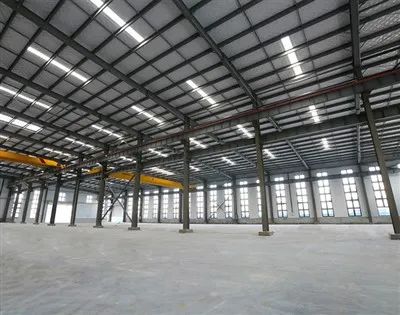
Hey there! I'm a supplier of prefabricated metal workshops, and I know firsthand how important it is to have a reliable fire sprinkler system in place. In this blog post, I'll walk you through the process of installing a fire sprinkler system in your prefabricated metal workshop.
Why You Need a Fire Sprinkler System
First off, let's talk about why a fire sprinkler system is a must - have for your prefab metal workshop. Metal workshops often house all sorts of flammable materials like paints, solvents, and lubricants. Plus, there are usually electrical equipment and machinery that can potentially spark a fire. A fire sprinkler system can quickly control or even extinguish a fire in its early stages, preventing major damage to your property and saving lives.
Planning Your Fire Sprinkler System
Before you start installing anything, you need to do some planning. Here are the key steps:
1. Understand Local Codes and Regulations
Each area has its own set of fire safety codes and regulations. You've got to check with your local fire department or building authority to find out what requirements you need to meet. This includes things like the type of sprinkler system you can use, the spacing between sprinklers, and the water supply requirements. Not following these codes can lead to serious fines and, more importantly, put your workshop at risk.
2. Evaluate Your Workshop's Layout
Take a good look at your prefabricated metal workshop. Consider the size, shape, and layout of the space. You need to figure out where the sprinklers should be placed to ensure proper coverage. Areas with high - risk materials or equipment should have extra protection. For example, if you have a storage area for flammable chemicals, make sure it's well - covered by the sprinklers.
3. Choose the Right Sprinkler System
There are different types of fire sprinkler systems, such as wet pipe, dry pipe, pre - action, and deluge systems. The most common type for workshops is the wet pipe system. It's simple, cost - effective, and reliable. In a wet pipe system, the pipes are always filled with water. When a fire activates a sprinkler head, water is immediately released.
Gathering the Necessary Materials and Tools
Once you've planned your system, it's time to gather the materials and tools you'll need. Here's a basic list:
Materials
- Sprinkler heads: You'll need to choose the right type of sprinkler heads based on your workshop's needs. For general use in a metal workshop, standard spray sprinkler heads are usually a good choice.
- Pipes and fittings: You'll need pipes to connect the sprinkler heads to the water supply. Make sure to use pipes that are suitable for the type of sprinkler system you've chosen. For a wet pipe system, galvanized steel pipes are commonly used.
- Water supply connection: You'll need to connect your sprinkler system to a reliable water supply. This could be a municipal water main or a dedicated water tank.
Tools
- Pipe cutter: To cut the pipes to the right length.
- Wrench: For tightening the fittings.
- Drill: To make holes in the metal structure for mounting the sprinkler heads and pipes.
Installing the Fire Sprinkler System
Now, let's get into the actual installation process:
1. Install the Piping
Start by installing the main water supply pipe. Run it from the water source to the workshop. Make sure to secure the pipes properly to the metal structure of the workshop. You can use pipe hangers to hold the pipes in place. Then, start branching out the pipes to connect to the sprinkler heads. Follow the layout you planned earlier to ensure proper spacing between the sprinklers.
2. Mount the Sprinkler Heads
Once the pipes are in place, it's time to mount the sprinkler heads. Drill holes in the metal ceiling or walls at the pre - determined locations. Insert the sprinkler heads into the holes and tighten them using a wrench. Make sure the sprinkler heads are level and properly aligned.


3. Connect to the Water Supply
After the pipes and sprinkler heads are installed, connect the system to the water supply. If you're connecting to a municipal water main, you may need to install a backflow preventer to prevent contaminated water from flowing back into the main. If you're using a water tank, make sure it's properly sized and filled.
4. Test the System
Once the installation is complete, you need to test the system. Turn on the water supply and check for any leaks in the pipes and fittings. Then, activate a few sprinkler heads to make sure they're working properly. If you find any issues, fix them immediately.
Maintenance and Inspection
Installing a fire sprinkler system isn't a one - time thing. You need to perform regular maintenance and inspections to keep it in good working condition. Here are some tips:
- Regular Inspections: Inspect the system at least once a year. Check for any signs of damage, corrosion, or blockages in the pipes and sprinkler heads.
- Maintenance: Replace any damaged or worn - out parts as needed. Make sure the water supply is always available and at the right pressure.
Conclusion
Installing a fire sprinkler system in your prefabricated metal workshop is a crucial step in ensuring the safety of your property and employees. By following these steps, you can install a reliable system that meets all the necessary codes and regulations.
If you're interested in our prefabricated metal workshops, we offer a variety of options, such as the 50x70 Metal Building Price, 60×100 Prefab Metal Building, and Insulated Metal Workshop. If you have any questions or want to discuss your specific needs, feel free to reach out to us for a procurement negotiation.
References
- National Fire Protection Association (NFPA). NFPA 13: Standard for the Installation of Sprinkler Systems.
- Local fire department and building authority guidelines.