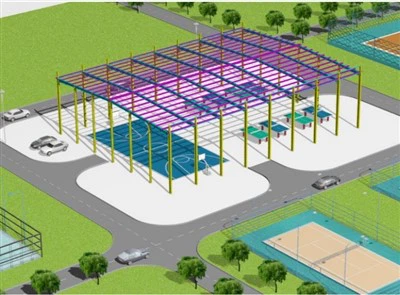
As a supplier of prefab metal shop buildings, I often receive inquiries about how to anchor these structures to the ground properly. Anchoring is a critical step in the installation process, as it ensures the stability and safety of the building. In this blog post, I will share some insights on the different methods of anchoring prefab metal shop buildings and provide guidance on choosing the right approach for your specific needs.
Understanding the Importance of Anchoring
Before delving into the various anchoring methods, it's essential to understand why anchoring is so crucial. Prefab metal shop buildings are designed to withstand a variety of environmental conditions, including wind, snow, and seismic activity. Proper anchoring helps to transfer the loads from the building to the ground, preventing it from being lifted or shifted during extreme weather events. Additionally, anchoring ensures that the building remains in place and maintains its structural integrity over time.


Types of Anchoring Methods
There are several different methods of anchoring prefab metal shop buildings, each with its own advantages and disadvantages. The choice of anchoring method will depend on a variety of factors, including the type of soil, the size and weight of the building, and the local building codes. Here are some of the most common anchoring methods:
1. Concrete Anchors
Concrete anchors are one of the most popular methods of anchoring prefab metal shop buildings. This method involves drilling holes into the concrete foundation and inserting anchors, which are then tightened to secure the building to the ground. Concrete anchors are suitable for a variety of soil types and can provide a strong and stable foundation for the building. They are also relatively easy to install and can be used in both new and existing buildings.
2. Helical Piles
Helical piles are another popular anchoring method for prefab metal shop buildings. This method involves screwing helical piles into the ground, which provide a stable foundation for the building. Helical piles are suitable for a variety of soil types, including soft or unstable soils. They are also relatively easy to install and can be used in both new and existing buildings.
3. Anchor Bolts
Anchor bolts are a common method of anchoring prefab metal shop buildings to concrete foundations. This method involves inserting anchor bolts into the concrete foundation and tightening them to secure the building to the ground. Anchor bolts are suitable for a variety of soil types and can provide a strong and stable foundation for the building. They are also relatively easy to install and can be used in both new and existing buildings.
4. Deadman Anchors
Deadman anchors are a type of anchor that is used to secure the building to the ground by burying a large object, such as a concrete block or a steel plate, in the ground. This method is suitable for a variety of soil types and can provide a strong and stable foundation for the building. Deadman anchors are also relatively easy to install and can be used in both new and existing buildings.
Choosing the Right Anchoring Method
When choosing an anchoring method for your prefab metal shop building, it's important to consider a variety of factors, including the type of soil, the size and weight of the building, and the local building codes. Here are some tips to help you choose the right anchoring method:
1. Soil Type
The type of soil at your building site will play a significant role in determining the best anchoring method. For example, if you have soft or unstable soil, helical piles or deadman anchors may be the best option. If you have hard or rocky soil, concrete anchors or anchor bolts may be more suitable.
2. Building Size and Weight
The size and weight of your prefab metal shop building will also affect the choice of anchoring method. Larger and heavier buildings will require a more robust anchoring system to ensure their stability. For example, a large warehouse may require helical piles or concrete anchors, while a smaller shed may be suitable for anchor bolts or deadman anchors.
3. Local Building Codes
It's important to check the local building codes in your area to ensure that you are using the appropriate anchoring method. Building codes may specify the minimum requirements for anchoring, including the type of anchor, the depth of the anchor, and the spacing between anchors.
Installation Process
Once you have chosen the right anchoring method for your prefab metal shop building, it's important to follow the installation process carefully to ensure that the building is properly anchored. Here are some general steps to follow:
1. Prepare the Site
Before installing the anchors, you will need to prepare the site by clearing the area of any debris or vegetation. You may also need to level the ground to ensure that the building is installed on a flat surface.
2. Mark the Anchor Locations
Using a tape measure and a level, mark the locations where the anchors will be installed. Make sure that the anchor locations are evenly spaced and aligned with the building's foundation.
3. Drill the Holes
Using a drill, drill holes into the concrete foundation or the ground at the marked locations. The size and depth of the holes will depend on the type of anchor you are using.
4. Insert the Anchors
Insert the anchors into the holes and tighten them using a wrench or a torque wrench. Make sure that the anchors are tightened to the recommended torque specifications.
5. Install the Building
Once the anchors are installed, you can begin installing the prefab metal shop building. Follow the manufacturer's instructions carefully to ensure that the building is installed correctly.
Maintenance and Inspection
After the prefab metal shop building is installed, it's important to perform regular maintenance and inspections to ensure that the anchors are in good condition. Here are some tips to help you maintain and inspect your building's anchors:
1. Check the Anchors Regularly
Inspect the anchors regularly to ensure that they are tight and in good condition. Look for any signs of damage or corrosion, such as rust or cracks.
2. Tighten the Anchors as Needed
If you notice that the anchors are loose, tighten them using a wrench or a torque wrench. Make sure that the anchors are tightened to the recommended torque specifications.
3. Replace Damaged Anchors
If you notice any signs of damage or corrosion on the anchors, replace them as soon as possible. Damaged anchors can compromise the stability of the building and pose a safety risk.
Conclusion
Anchoring prefab metal shop buildings to the ground is a critical step in the installation process. By choosing the right anchoring method and following the installation process carefully, you can ensure that your building is stable and safe. If you have any questions or need further guidance on anchoring your prefab metal shop building, please don't hesitate to contact us. We are a leading supplier of Prefabricated Warehouse, Steel Bus Station, and Steel Structure Shopping Mall, and we are here to help you with all your building needs.
References
- Building Codes and Standards Handbook
- Prefab Metal Building Installation Manuals
- Geotechnical Engineering Reports