As a supplier of prefabricated steel warehouses, I've witnessed firsthand the growing emphasis on air quality control within these structures. In today's industrial landscape, ensuring a healthy and safe indoor environment isn't just a luxury; it's a necessity. This blog post will delve into the intricacies of air quality control in prefabricated steel warehouses, exploring why it matters, the common pollutants, and the strategies to maintain optimal air quality.
Why Air Quality Control Matters in Prefabricated Steel Warehouses
Prefabricated steel warehouses are widely used for various purposes, from storage to manufacturing. In storage facilities, they house a diverse range of products, including those that may emit volatile organic compounds (VOCs) or other pollutants. Manufacturing processes conducted within these warehouses can generate dust, fumes, and chemical by - products. Poor air quality in these environments can have several detrimental effects.
Firstly, it affects the health and safety of the workers. Prolonged exposure to pollutants such as dust, chemicals, and particulate matter can lead to respiratory problems, skin irritations, and other long - term health issues. For example, workers in a warehouse where metalworking is carried out may be exposed to metal dust, which can cause lung diseases over time.
Secondly, air quality can impact the quality of the products stored or manufactured inside the warehouse. In a food storage Prefabricated Steel Structure Warehouse, for instance, contaminants in the air can lead to spoilage or degradation of the food items. Similarly, in an electronics manufacturing warehouse, dust particles can cause damage to sensitive electronic components.
Common Air Pollutants in Prefabricated Steel Warehouses
Dust
Dust is one of the most prevalent pollutants in prefabricated steel warehouses. It can come from various sources, such as construction materials, packaging materials, and the movement of goods. In a warehouse where construction materials are stored, the handling of items like cement or sand can generate significant amounts of dust.


Chemical Fumes
Chemical fumes are another major concern, especially in warehouses where chemicals are stored or used in manufacturing processes. For example, in a paint manufacturing warehouse, solvents and other chemicals used in the paint formulation can release harmful fumes. These fumes can contain VOCs, which are known to have negative health impacts and can also contribute to the formation of ground - level ozone.
Microbiological Contaminants
Microbiological contaminants, such as mold and bacteria, can thrive in prefabricated steel warehouses, especially if there is improper ventilation or moisture control. High humidity levels can create a favorable environment for mold growth, which can release spores into the air. These spores can cause allergic reactions and respiratory problems in humans.
Strategies for Air Quality Control in Prefabricated Steel Warehouses
Ventilation Systems
Proper ventilation is the cornerstone of air quality control in prefabricated steel warehouses. There are two main types of ventilation systems: natural and mechanical.
Natural ventilation relies on the movement of air through openings in the warehouse, such as windows and vents. This type of ventilation is cost - effective and energy - efficient. However, it may not be sufficient in warehouses where there are high levels of pollutants or where there is a need for precise control of the air quality.
Mechanical ventilation systems, on the other hand, use fans and ducts to control the flow of air. Exhaust fans can be installed to remove polluted air from the warehouse, while supply fans can bring in fresh outdoor air. These systems can be customized to meet the specific needs of the warehouse, such as the size of the space and the type of pollutants present.
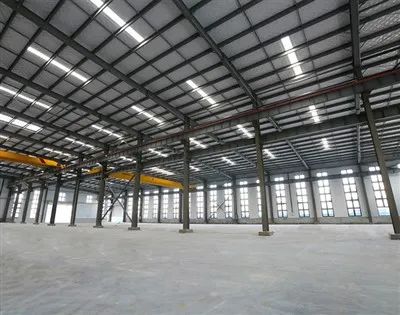
For example, in a large Multifunctional Steel Structure Warehouse with multiple manufacturing processes, a combination of exhaust fans at the source of pollution and supply fans for fresh air intake can be used to maintain a healthy air balance.
Air Filtration
Air filtration systems are essential for removing particulate matter and other contaminants from the air. There are different types of air filters available, each with its own efficiency rating. High - efficiency particulate air (HEPA) filters are commonly used in prefabricated steel warehouses as they can capture a large percentage of airborne particles, including dust, pollen, and some bacteria.
Activated carbon filters are also effective in removing chemical fumes and odors. These filters work by adsorbing the chemicals onto the surface of the carbon. In a warehouse where chemicals are stored or used, installing a combination of HEPA and activated carbon filters in the ventilation system can significantly improve the air quality.
Moisture Control
As mentioned earlier, moisture can lead to the growth of microbiological contaminants. Therefore, moisture control is crucial for maintaining good air quality in prefabricated steel warehouses. This can be achieved through proper insulation to prevent condensation, as well as the use of dehumidifiers.
Dehumidifiers work by removing excess moisture from the air, reducing the relative humidity to a level where mold and bacteria are less likely to grow. In areas with high humidity, such as coastal regions, installing dehumidifiers in the warehouse can be a cost - effective way to prevent moisture - related problems.
Regular Maintenance
Regular maintenance of the ventilation and air filtration systems is essential to ensure their optimal performance. This includes cleaning or replacing air filters, inspecting fans and ducts for damage, and checking for any leaks in the system.
In addition, regular cleaning of the warehouse itself can also help to reduce the accumulation of dust and other pollutants. Floor sweeping, dusting of storage racks, and proper waste disposal are all important aspects of maintaining a clean and healthy indoor environment.
Choosing the Right Prefabricated Steel Warehouse for Air Quality Control
When selecting a prefabricated steel warehouse, it's important to consider its design and features in relation to air quality control. A well - designed warehouse should have provisions for proper ventilation, such as the location of vents and windows, and the ability to install mechanical ventilation systems.
Metal Structure Warehouse provides design flexibility, allowing for the incorporation of advanced air quality control features. The structural integrity of steel also ensures that the warehouse can support the weight of ventilation ducts and other equipment.
Contact Us for Your Air - Quality - Controlled Warehouse Needs
If you're in the market for a prefabricated steel warehouse with excellent air quality control capabilities, we're here to help. Our team of experts can work with you to design and build a warehouse that meets your specific requirements. From storage to manufacturing, we have the experience and expertise to create a safe and healthy indoor environment for your operations.
Whether you need a small storage unit or a large - scale Multifunctional Steel Structure Warehouse, we can provide customized solutions. Contact us today to discuss your project and take the first step towards a high - quality prefabricated steel warehouse.
References
- American Society of Heating, Refrigerating and Air - Conditioning Engineers (ASHRAE). Handbook of Fundamentals.
- Occupational Safety and Health Administration (OSHA). Standards and Publications related to Indoor Air Quality.
- Environmental Protection Agency (EPA). Guidelines for Indoor Air Quality in Commercial Buildings.