


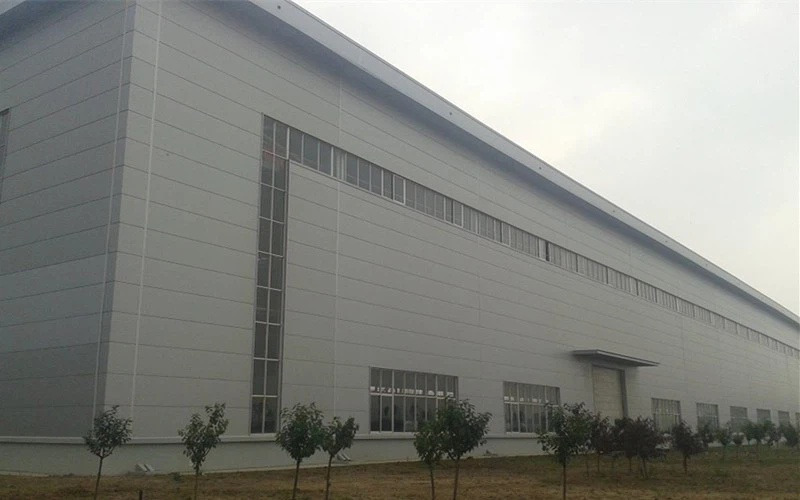
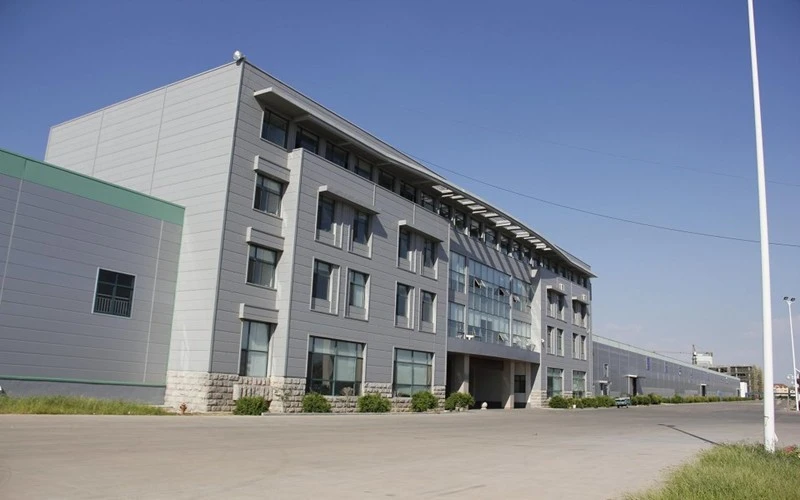
Hey there! I'm a supplier of Modern Prefab Steel Buildings, and today I wanna chat about the building codes for these awesome structures. Modern prefab steel buildings have become super popular lately, thanks to their speed of construction, cost - effectiveness, and durability. But just like any other building, they gotta meet certain building codes.
Understanding the Basics of Building Codes
Building codes are a set of rules and regulations that ensure buildings are safe, functional, and environmentally friendly. They cover everything from the design and construction to the occupancy of a building. For modern prefab steel buildings, these codes are crucial as they determine how the building will perform under different conditions, like extreme weather, seismic activity, and fire.
One of the first things to consider is the location of the building. Different regions have different building codes based on their climate, geology, and local regulations. For example, if you're building in an area prone to hurricanes, the building code will require the prefab steel building to be designed to withstand high - speed winds. On the other hand, in earthquake - prone areas, the structure needs to be able to resist seismic forces.
Structural Design Codes
When it comes to the structural design of modern prefab steel buildings, there are several key codes to follow. The American Institute of Steel Construction (AISC) provides a set of standards for steel construction. These standards cover things like the strength of the steel members, the connections between them, and the overall stability of the structure.
The AISC codes specify the minimum requirements for the thickness and grade of the steel used in the building. For instance, in a multi - story prefab steel building, the columns need to be made of high - strength steel to support the weight of the upper floors. The connections between the steel members, such as bolts and welds, also need to meet specific strength requirements. A poorly designed connection can compromise the entire structure, so it's essential to follow these codes to the letter.
Another important aspect of structural design is the consideration of load - bearing capacity. Building codes define different types of loads that a prefab steel building needs to withstand, including dead loads (the weight of the building itself), live loads (the weight of people, furniture, and equipment), wind loads, and snow loads. Engineers use these load requirements to design the steel frame of the building to ensure it can safely support all these loads without failure.
Fire Safety Codes
Fire safety is a major concern in any building, and modern prefab steel buildings are no exception. Steel itself is a non - combustible material, but in a fire, it can lose its strength at high temperatures. That's why building codes require prefab steel buildings to have proper fire protection measures.
One common way to protect steel from fire is by applying fire - resistant coatings. These coatings can insulate the steel and prevent it from reaching critical temperatures during a fire. The thickness and type of the coating are determined by the building code based on the fire rating required for the building. For example, a commercial building may need a higher fire rating than a residential one.
In addition to fire - resistant coatings, building codes also require prefab steel buildings to have proper fire - suppression systems, such as sprinklers. Sprinklers can quickly extinguish a fire or at least control its spread, giving people more time to evacuate the building safely.
Energy Efficiency Codes
With the growing concern for the environment and energy conservation, energy efficiency codes have become an important part of building regulations. Modern prefab steel buildings can be designed to be highly energy - efficient, and building codes encourage this.
Insulation is a key factor in energy efficiency. Building codes specify the minimum R - value (a measure of thermal resistance) for the insulation used in the walls, roof, and floors of prefab steel buildings. By using high - quality insulation, the building can reduce heat transfer, which means less energy is needed for heating and cooling.
Windows and doors also play a role in energy efficiency. Codes may require the use of energy - efficient windows with low - emissivity (low - e) coatings and proper weatherstripping. These features can prevent heat from escaping in the winter and entering in the summer, further reducing energy consumption.
Accessibility Codes
Accessibility is another important aspect of building codes. Modern prefab steel buildings need to be accessible to people with disabilities. This includes features like ramps, wide doorways, and accessible restrooms.
Ramps are required for buildings with multiple levels or where there are changes in elevation. The slope of the ramp and its width are regulated by building codes to ensure safe and easy access for wheelchair users. Wide doorways are necessary to allow wheelchair passage, and accessible restrooms need to have proper fixtures and clear floor space for maneuverability.
How These Codes Affect Our Modern Prefab Steel Buildings
As a supplier of Modern Prefab Steel Buildings, we take these building codes very seriously. We work closely with architects and engineers to ensure that our prefab steel buildings meet all the relevant codes and regulations.
When we design a prefab steel building, we start by understanding the specific requirements of the location. We then use the latest design software to create a structure that not only meets the building codes but also provides the best value for our customers. Our manufacturing process is also carefully monitored to ensure that the quality of the steel components meets the standards set by the codes.
For example, if we're building a Steel structure hotel, we need to make sure it meets all the commercial building codes, including fire safety, accessibility, and energy efficiency. We'll use high - quality fire - resistant coatings on the steel, install energy - efficient windows and insulation, and design the layout to include accessible features for guests with disabilities.
Why It's Important to Comply with Building Codes
Complying with building codes is not just a legal requirement; it's also essential for the safety and functionality of the building. A building that doesn't meet the codes can pose serious risks to its occupants. For example, a building without proper fire protection can quickly become a death trap in case of a fire.
Moreover, non - compliant buildings may face legal issues, including fines and even demolition orders. Insurance companies may also refuse to provide coverage for a building that doesn't meet the building codes. On the other hand, a building that meets all the codes is more likely to have a longer lifespan, lower maintenance costs, and higher resale value.
Contact Us for Your Prefab Steel Building Needs
If you're in the market for a modern prefab steel building, whether it's a commercial building like a hotel or a residential one, we're here to help. Our team of experts has years of experience in designing and manufacturing prefab steel buildings that meet all the relevant building codes.
We can work with you from the initial design phase to the final installation, ensuring that your building is not only compliant but also tailored to your specific needs and budget. So, don't hesitate to reach out to us for more information or to start the procurement process. Let's build your dream prefab steel building together!
References
- American Institute of Steel Construction (AISC) Standards
- Local Building Codes and Regulations
- International Building Code (IBC)
- National Fire Protection Association (NFPA) Codes


