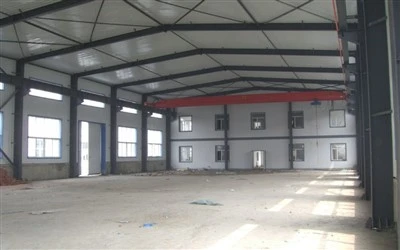
Hey there! As a supplier of Steel structure hotel, I've been getting a lot of questions lately about whether a steel structure hotel is more earthquake-resistant than a traditional building. So, I thought I'd take a few minutes to break it down for you.
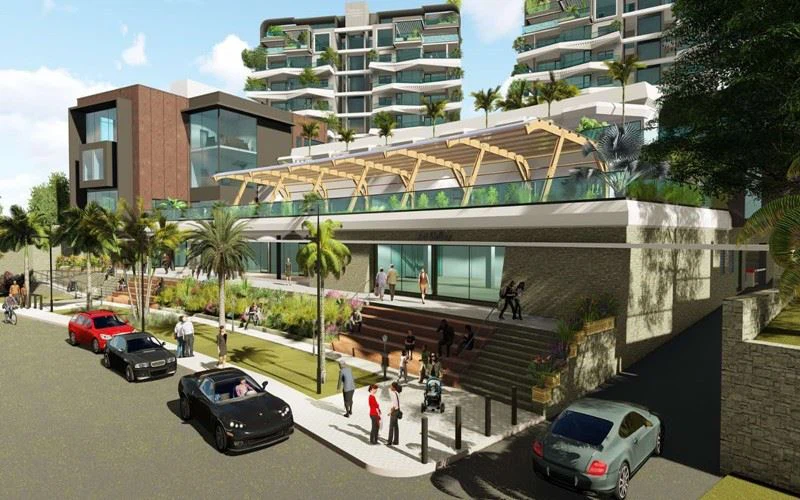

First off, let's talk about what makes a building earthquake-resistant. When an earthquake hits, the ground shakes, and that shaking can cause buildings to sway, tilt, or even collapse. To withstand these forces, a building needs to be able to absorb and dissipate the energy of the earthquake. This is where the design and materials of the building come in.
Traditional buildings, like those made of brick or concrete, are often heavy and rigid. When an earthquake occurs, these buildings can have a hard time absorbing the energy of the shaking. The weight and rigidity of the structure can cause it to crack, break, or even topple over. On the other hand, steel structure buildings, like the Modern Prefab Steel Buildings we supply, have some unique properties that make them more earthquake-resistant.
One of the key advantages of steel is its strength-to-weight ratio. Steel is incredibly strong, yet it's also relatively light. This means that a steel structure can be designed to be more flexible than a traditional building. When an earthquake hits, the steel structure can bend and sway with the shaking, absorbing the energy of the earthquake rather than resisting it. This flexibility helps to prevent the building from cracking or collapsing.
Another advantage of steel is its ductility. Ductility is the ability of a material to deform under stress without breaking. Steel is highly ductile, which means that it can stretch and bend without fracturing. In an earthquake, this ductility allows the steel structure to absorb a large amount of energy before it fails. This is in contrast to brittle materials like brick or concrete, which can shatter when subjected to stress.
In addition to its strength and ductility, steel also has the advantage of being prefabricated. Prefabricated steel structures are built in a factory and then assembled on-site. This allows for greater quality control and precision in the construction process. The components of a prefabricated steel structure are designed to fit together perfectly, which helps to ensure the overall integrity of the building. This precision also means that the structure can be built more quickly and efficiently, reducing the time and cost of construction.
Let's take a look at some real-world examples. In areas prone to earthquakes, such as Japan and California, steel structure buildings have proven to be more resilient. During the 1994 Northridge earthquake in California, many traditional buildings suffered significant damage, while steel structure buildings generally fared much better. The flexibility and ductility of the steel allowed these buildings to withstand the shaking and remain standing.
Now, I know what you might be thinking. "Sure, steel structures sound great, but aren't they more expensive?" Well, it's true that the initial cost of a steel structure hotel may be slightly higher than that of a traditional building. However, when you consider the long-term benefits, such as lower maintenance costs, faster construction times, and greater earthquake resistance, the overall cost-effectiveness of a steel structure becomes clear.
In terms of maintenance, steel structures are relatively low-maintenance. Steel doesn't rot, warp, or attract pests like wood does. It also doesn't require the same level of upkeep as brick or concrete. This means that over the life of the building, you'll save money on maintenance and repairs.
The faster construction times of steel structure hotels are also a significant advantage. With prefabricated components, the construction process can be completed much more quickly than with traditional building methods. This means that you can get your hotel up and running sooner, which can translate into earlier revenue.
So, is a steel structure hotel more earthquake-resistant than a traditional building? The answer is a resounding yes. The strength, flexibility, and ductility of steel make it an ideal material for buildings in earthquake-prone areas. And as a supplier of Steel structure hotel, I can attest to the many benefits of choosing a steel structure for your hotel.
If you're in the market for a new hotel and are concerned about earthquake resistance, I encourage you to consider a steel structure. Not only will it provide a safer and more durable building, but it will also offer long-term cost savings and a faster construction process.
If you have any questions or would like to discuss your project in more detail, feel free to reach out. We're here to help you make the best decision for your hotel. Whether you're building a small boutique hotel or a large resort, we have the expertise and experience to provide you with a high-quality steel structure that meets your needs.
Let's work together to create a hotel that not only looks great but also stands up to the forces of nature. Contact us today to start the conversation!
References
- Earthquake Engineering Research Institute. (n.d.). Earthquake-Resistant Design of Steel Buildings.
- Federal Emergency Management Agency. (n.d.). Designing for Earthquakes: A Guide for Building Owners and Design Professionals.